
Woman Says Sushi Left Her With Months of Vertigo and Brain Fog: What to Know About Parasites
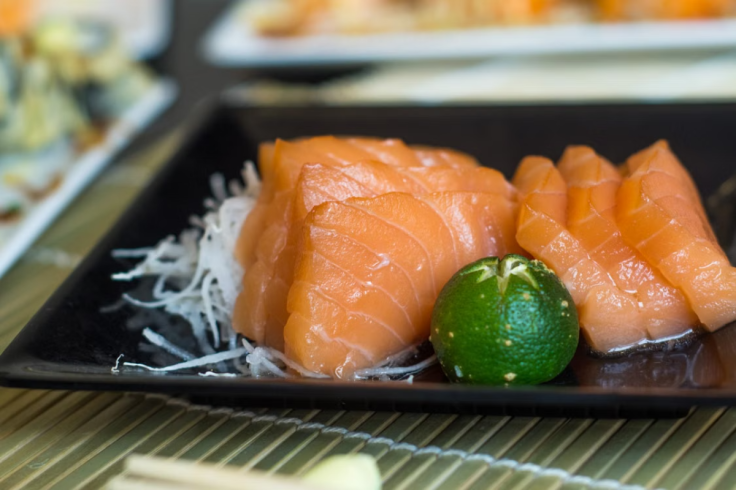
A sushi dinner turned into a 17-month health ordeal for a woman who says she was left with severe vertigo, sensory issues and brain fog.
Katherine Firsching, a Nashville TikTok creator, documented her experience in a series of videos, saying she became violently ill shortly after eating sushi in February 2025. Her symptoms later included persistent dizziness, nausea and hypersensitivity to light and sound.
Firsching said doctors eventually diagnosed her with a liver fluke infection, which she believed she contracted from the sushi. However, her experience does not mean that chronic vertigo or brain fog are typical symptoms of parasites that can be transmitted through raw or undercooked fish.
So, can eating raw or undercooked fish really cause a parasitic infection, and what symptoms should people look for?
@katherinefirsching One sushi dinner changed my life for the next 17 months. I wish I were exaggerating. 😅 Here’s the story… #healthjourney #medicalmystery #dizziness #chronicillness #parasite
♬ original sound - Katherine Firsching
Can You Get a Parasite From Eating Sushi?
Consuming raw or undercooked fish can expose people to certain parasites, but the type of fish and parasite involved matter.
One example is anisakiasis, which is caused by larvae of Anisakis worms found in raw or undercooked marine fish and squid. The infection typically causes gastrointestinal symptoms such as abdominal pain, nausea and vomiting, which can appear within hours of eating contaminated fish or squid.
Another group of parasites is liver flukes, including Clonorchis and Opisthorchis. These parasites can be transmitted by consuming raw or undercooked freshwater fish in areas where these infections occur. Unlike anisakiasis, liver flukes can affect the liver, gallbladder and bile ducts, potentially causing abdominal discomfort, digestive problems and other complications.
That means not every illness after eating sushi is caused by the same parasite. When determining the type of infection, if any, it is important to consider the specific fish, parasite and symptoms involved.
What Symptoms Can Fish-Borne Parasites Cause?
The symptoms of a parasitic infection vary depending on the type of parasite. Some infections cause symptoms soon after exposure, while others produce few or no symptoms for an extended period of time.
Anisakiasis can cause symptoms within hours of eating infected raw or undercooked fish. The most common symptoms are abdominal pain, nausea and vomiting, but some people may also experience allergic reactions.
Liver fluke infections can also vary. Some people have no symptoms, while others may experience abdominal pain, digestive issues or complications involving the liver and bile ducts. These infections can persist for years if left untreated.
These symptoms differ from Firsching's descriptions of persistent vertigo, sensory sensitivity and brain fog. While she attributed her prolonged symptoms to the parasitic infection she said doctors diagnosed, her experience does not establish that chronic vertigo or brain fog are typical symptoms of fish-borne parasitic infections.
How Are Fish-Borne Parasitic Infections Diagnosed and Treated?
Diagnosis and treatment depend on the type of parasite involved. When deciding whether to test a patient, doctors may consider their symptoms, history of eating raw or undercooked fish, travel history and other potential sources of exposure.
Doctors may examine stool samples for parasite eggs in cases of suspected liver fluke infections. Blood tests or imaging may also be used, depending on the infection and whether there are complications involving the liver or bile ducts.
Anisakiasis is diagnosed differently. When the infection affects the digestive tract, doctors may perform an endoscopy to identify and remove the worm. Treatment depends on the severity of the infection and the patient's symptoms.
Because different parasites can produce different symptoms, persistent or severe symptoms after eating raw or undercooked fish should not automatically be attributed to a parasitic infection. A healthcare professional can determine whether testing or treatment is appropriate.
Firsching's story demonstrates how difficult it can be to determine the cause of persistent and unusual symptoms. While she believes her illness began after eating sushi and later said doctors diagnosed her with a parasitic infection, her experience does not establish a direct link between sushi, parasites and chronic neurological symptoms.
Fish-borne parasitic infections are a recognised health risk, but the risks vary depending on the type of fish, parasite and preparation method. Their symptoms can also vary greatly, and not all illnesses that occur after a meal are caused by parasites.
People who experience persistent or severe symptoms after eating raw or undercooked fish should seek medical attention rather than try to self-diagnose an infection. A healthcare professional can assess their symptoms and exposure history to determine whether additional testing or treatment is appropriate.