
California Beach Shut Down After Nine Children Contract Dangerous E. Coli Strain Linked to Kidney Failure Risk
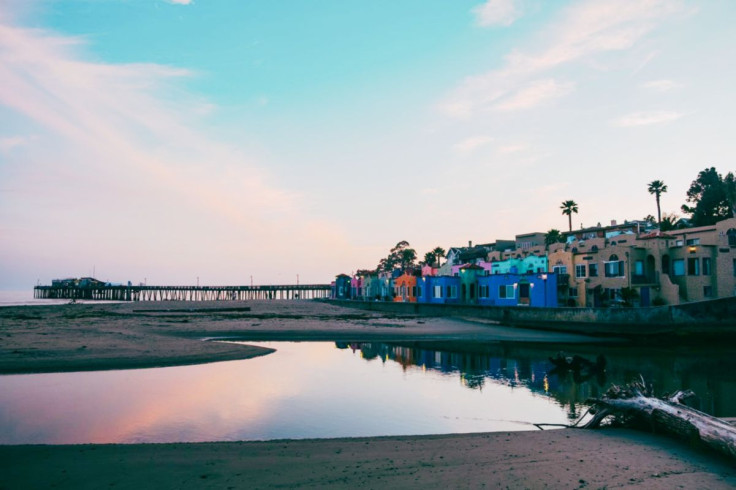
Capitola Beach in California has been closed after at least nine children contracted a dangerous strain of E. coli, as officials investigate possible exposure at the beach and nearby waterways.
Santa Cruz County announced the closure on 10 November after identifying nine linked infections. Four affected children live in Santa Cruz County, while five live elsewhere in the San Francisco Bay Area.
County health officer Dr Lisa Hernandez said two children were hospitalised, but all nine have since recovered, and no deaths have been reported.
Children Fell Ill Over Six Weeks
The children, all aged 12 or younger, became ill between 10 September and 25 October, Hernandez told SFGATE. Genetic testing connected cases across counties, and most patients had visited Capitola Beach.
One child developed haemolytic uraemic syndrome, a complication that can cause severe kidney damage or kidney failure.
E. coli O157 produces Shiga toxin and can cause painful abdominal cramps, vomiting and diarrhoea, sometimes containing blood. Symptoms commonly develop three to four days after a person swallows the bacteria, according to the US Centers for Disease Control and Prevention (CDC).
The agency warns that reduced urination, unusual bruising or extreme tiredness can indicate haemolytic uraemic syndrome and require emergency medical care.
Investigators Test Creek And Coastal Water
Authorities have not identified where the bacteria came from or established precisely how the children became infected. Environmental teams collected samples from four locations around Soquel Creek and Capitola Beach, including an upstream site near Nob Hill, the jetty, Soquel Creek Lagoon and a channel carrying water into Monterey Bay.
Further sampling is planned while investigators examine potential sources of contamination. County water-quality monitoring based on samples taken on 9 November listed alerts at Capitola Beach near Soquel Creek, the lagoon and the jetty.
The advisories raise water-quality concerns but do not establish that the outbreak strain was present. Local investigators are coordinating with California's public health department and the federal CDC.
Visitors Warned To Avoid Beach
Hernandez told SFGATE that the closure covers the sand as well as the water. The waterfront Esplanade remains open, the city said. Officials have urged residents and visitors to avoid ocean, creek and lagoon water, obey closure signs and keep pets away from potentially contaminated areas.
People should not drink untreated water from natural waterways or swim with open wounds, the county said. Officials also recommend showering after contact with natural water and giving pets clean drinking water, as per a report by the Los Angeles Times.
Anyone developing bloody diarrhoea or signs of dehydration should seek medical attention promptly. Authorities have not announced a reopening date and say the beach will remain closed until further assessment determines it is safe.
Separate California Outbreak Leaves One Dead
The beach investigation follows another E. coli O157 outbreak associated with Brookshire Farms in San Luis Obispo County. Five infections were laboratory-confirmed after visits to the farm in October, and health officials later reported one death. Investigators could not identify the outbreak strain in environmental samples from the property.
Hernandez said the two California outbreaks do not appear to be connected. San Luis Obispo County officials have said the risk of further exposure from the farm incident has passed. The cause of the Capitola Beach outbreak remains under investigation.