
TikTok Users Eating up to Four Carrots a Day for a 'Carrot Tan' Warned It Offers No Sun Protection
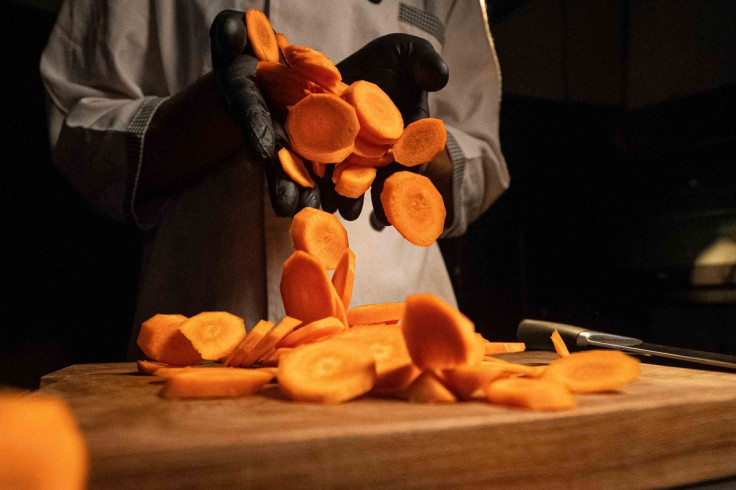
A dermatologist is warning social media users who eat several carrots a day for a 'carrot tan' that the orange glow offers no meaningful protection from the sun.
The trend, dubbed 'carrotmaxxing', involves eating large amounts of carrots, tomatoes or shrimp, or taking supplements containing their natural pigments, in an attempt to maintain a sun-kissed look through winter, Fox News reported.
One TikTok influencer said she eats three to four large carrots a day and has given up fake tan and sun exposure. Wellness creator Lee Tilghman Pollis said on Instagram that raw carrots gave her 'the best skin of my life', while two mothers in Atlanta said they take a daily supplement of beta-carotene, lycopene and astaxanthin.
How Carrots Change Skin Colour
These pigments, known as carotenoids, are fat-soluble and 'build up in the outermost layer of the skin' when eaten in large amounts, said Dr Navin Arora, medical director of Borealis Dermatology in New York. The tint usually appears first on the palms, soles and around the nose.
The condition is called carotenaemia, and diet-related cases are generally harmless. Unlike jaundice, it does not turn the whites of the eyes yellow, according to Cleveland Clinic. Arora said there is no reliable dose for a cosmetic effect, and the colour fades gradually after cutting back.
He added that anyone whose skin turns yellow-orange without a change in diet should see a doctor.
Why a 'Carrot Tan' Is Not Sun Protection
Arora said the glow gives 'no meaningful sun protection' and should never replace sunscreen.
The NHS is blunt on the subject. 'There's no safe or healthy way to get a tan,' its sun safety advice states, adding that a tan 'does not protect your skin from the sun's harmful effects'. It recommends sunscreen with at least SPF 30.
The glow itself is real. A University of St Andrews study published in 2012 found that just two extra portions of fruit and vegetables a day caused a detectable change in skin colour within six weeks.
Supplements Carry a Lung Cancer Warning for Smokers
Arora cautioned against taking high-dose carotenoid supplements to alter appearance.
In the US CARET trial, participants at high risk of lung cancer, including smokers, former smokers and asbestos-exposed workers, who took 30mg of beta-carotene plus vitamin A daily had a 28% higher incidence of lung cancer and a 46% higher rate of death from the disease, the National Institutes of Health reports. In a separate trial of male smokers, 20mg of beta-carotene a day raised lung cancer risk by 18%. Both trials tested pills, not food.
The World Cancer Research Fund also warns that high-dose beta-carotene supplements increase lung cancer risk in current and former smokers.
What Dermatologists Recommend Instead
For a bronzed look, Arora suggested self-tanners, professional spray tans, bronzers or tinted sunscreen, alongside a daily broad-spectrum sunscreen of SPF 30 or higher. He said a colourful, carotenoid-rich diet is good for overall health, but people should 'treat the glow as a bonus, not the goal'.
Read our latest health coverage for more on viral wellness trends.