
Ozempic and Wegovy To Carry New FDA Warning as Patients Face Risk of Permanent Blindness
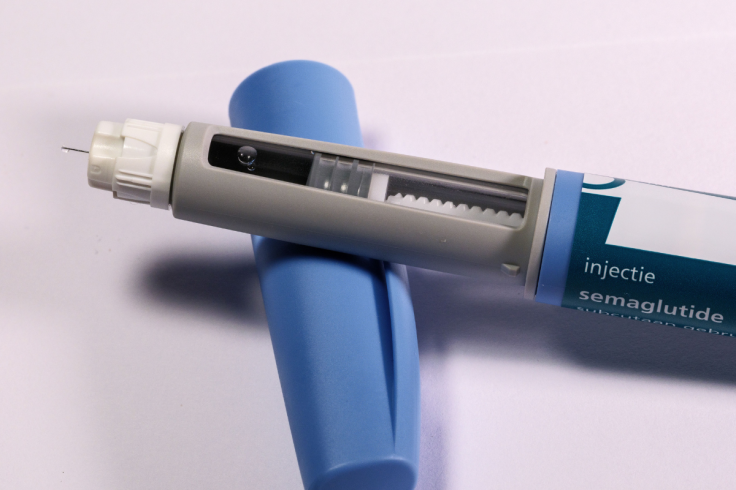
Popular weight-loss jabs including Ozempic and Wegovy must carry a new safety warning over a rare condition linked to sudden blindness. The US Food and Drug Administration (FDA) ordered manufacturers to update warning labels across all GLP-1 medications.
Regulators acted after clinical evidence linked the injections to non-arteritic anterior ischaemic optic neuropathy, known as NAION. The condition develops when blood flow to the optic nerve drops abruptly, cutting off communication between the eye and brain.
'Patients and caregivers should be aware of a potential increased risk of NAION,' the FDA stated in the safety communication. The agency noted the condition causes 'acute, painless, decreased vision in one eye, including permanent vision loss'.
The mandate applies to treatments from Novo Nordisk and Eli Lilly, alongside older diabetes drugs. Both drugmakers stated that patient safety remains their top priority.
Clinical Trials Reveal Heightened Risk of Optic Nerve Damage
Regulators launched an in-depth safety review following a 2024 study published in JAMA Ophthalmology. That study revealed diabetes patients prescribed semaglutide were four times more likely to develop NAION than patients on other medicines.
The FDA analysed data from 126 clinical trials involving over 134,000 patients. Researchers recorded 6.4 cases of NAION per 100,000 person-years among GLP-1 users, compared to 3.8 cases in comparator groups.
Further health records showed GLP-1 patients faced a 43% higher risk than those taking diabetes tablets called DPP-4 inhibitors.
However, scientists could not identify any biological mechanism explaining how the drugs might restrict ocular blood supply. Officials highlighted that common risk factors like diabetes, high blood pressure, and sleep apnoea frequently overlap with conditions treated by GLP-1s.
Warning Signs Include Sudden Morning Vision Loss and Blurriness
NAION represents the second most common optic nerve disease in adults over 50. It occurs in up to 10 out of every 100,000 people annually.
The condition typically triggers sudden, painless sight loss in one eye, which patients frequently notice upon waking. Other common symptoms include blurry vision, dark blind spots, tunnel vision, and difficulty telling colours apart.
There is currently no medical cure for NAION, making early detection critical. However, specialists note that approximately one-third of diagnosed patients experience partial visual improvement over time.
Suffering damage in one eye also substantially increases the risk of the condition developing in the other eye. The FDA advised healthcare professionals to promptly refer patients with suspected NAION to an ophthalmologist and consider discontinuing GLP-1 treatment if the condition is diagnosed, unless the benefits of continuing outweigh the risks.
Health Specialists Urge Patients Not To Stop Treatments Abruptly
Eye doctors stress that overall case numbers remain very small despite updated warnings.
'We don't want patients to really get overly concerned and anxious and to stop these medications,' Dr Manjot Gill, an ophthalmologist at Northwestern Medicine told NBC News.
'It's fine to issue this warning more so for public awareness so that patients, should they experience any kind of change in vision, that they do actually go and seek the care of an eye provider.'
Dr Katherine Talcott, a vitreoretinal surgeon at Cleveland Clinic, has also emphasised that existing research shows an association between semaglutide and NAION rather than establishing a direct cause-and-effect relationship. 'Most eye doctors feel that the benefits of these drugs outweigh any potential risk, in terms of the eye,' Dr Talcott said.
The new alert adds to existing safety warnings associated with GLP-1 medications, which vary by product and include pancreatitis, gallbladder problems, kidney injury and thyroid C-cell tumours. Clinicians advise anyone experiencing sudden sight changes to seek urgent medical care.