
Daytona Crash Sends Frankie Muniz to Hospital, Leaving Fans Waiting for Health Update
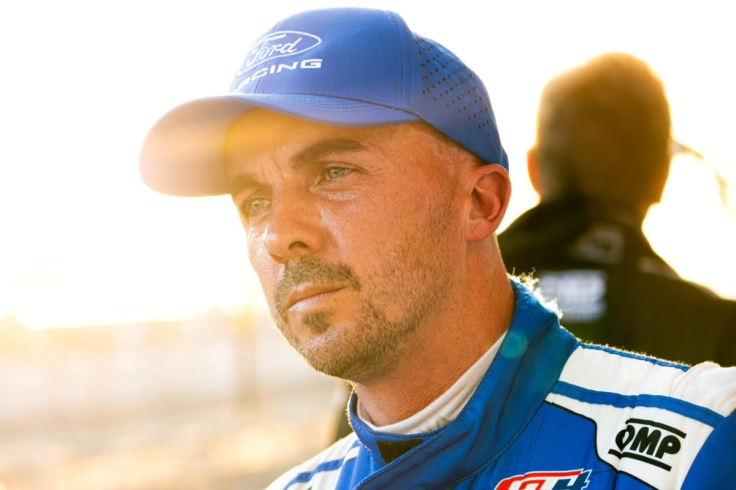
Frankie Muniz was cut out of his Mustang by safety crews and rushed to a Florida hospital on Wednesday after a crash at Daytona International Speedway. The 40-year-old actor-turned-racer was practising for Ford's 'Proud to Honor Veterans Day Classic'.
A Ford Racing spokesperson said Muniz was 'taken to a local medical facility for further evaluation and is awake and alert'. The spokesperson did not provide an update on his condition at the time, leaving the extent of any injuries unclear.
Muniz Released, Reports Soreness
Muniz was released from the hospital on Wednesday night, only hours after the crash. He described himself as sore but did not specify any injuries.
The car hit a tyre barrier on the infield road course. Muniz had been the second-fastest driver in practice before the wreck.
He credited his car for the outcome of the crash, thanking the hospital staff and everyone who reached out with prayers. 'I am a little sore, but my Mustang did its job in protecting me,' read a statement issued by his Ford Racing team.
No medical details beyond the soreness have been shared. Muniz had been set to race alongside NASCAR driver Austin Cindric for Team Air Force but was replaced by Ford development driver Jenson Altzman.
Why Symptoms Often Appear Late
Crash symptoms do not always show up right away. The peer-reviewed journal Psychiatry Investigation explains that the body's sympathetic nervous system triggers a surge of adrenaline after a crash, a fight-or-flight response that can temporarily relieve pain.
Orthopaedic specialists at Alexander Orthopaedics say some injuries are obvious immediately, while others develop over the following days. Symptoms can include back pain, neck and shoulder stiffness, headaches with nausea, abdominal pain and tingling or numbness.
Memory problems, difficulty concentrating and fatigue can occur after a concussion. Neck and shoulder pain may also result from sprains, strains, whiplash or herniated discs. Less obvious injuries can worsen or lead to complications over time.
The US records millions of motor vehicle crashes each year. In 2020, an estimated 4.8 million people were injured in crashes, according to figures from the National Safety Council.
Head and Nerve Warning Signs
Dizziness can describe lightheadedness, faintness or a loss of balance. After a car collision, it may warrant medical assessment, particularly if it is accompanied by other symptoms. Dizziness may stem from anxiety, vertigo, a neck injury or a traumatic brain injury.
According to the Mayo Clinic, headaches after a concussion most often feel like migraines. New numbness, tingling or weakness after a collision can indicate nerve or spinal cord injury and warrants urgent medical assessment.
Vomiting can occur with a subdural haematoma, a collection of blood between the brain's surface and its outer covering, and requires prompt medical assessment after a head injury. Neck and back pain, even when minor, can signal whiplash or tissue damage that may linger if untreated.
Long-Term and Emotional Effects
The National Highway Traffic Safety Administration notes that many 'minor' injuries can lead to long-term problems, making early treatment key. Seeing a doctor quickly after a crash is also advised to catch hidden injuries.
Research has identified motor vehicle accidents as a major potential cause of post-traumatic stress disorder (PTSD), although the risk varies depending on the individual and the circumstances of the crash. The National Center for PTSD recommends seeking professional support when symptoms persist or interfere with daily life.
Anxiety, stress, fearfulness about driving and recurring nightmares are among the psychological effects that can follow an accident. Counselling or other professional help is urged so such distress does not interfere with normal life.
Muniz has not publicly reported any of these symptoms. He has described himself only as sore, and no further details about his condition have been disclosed.