
Are You a Night Owl? Study Finds Late Sleepers Face 70% Higher Risk of This Later-Life Problem
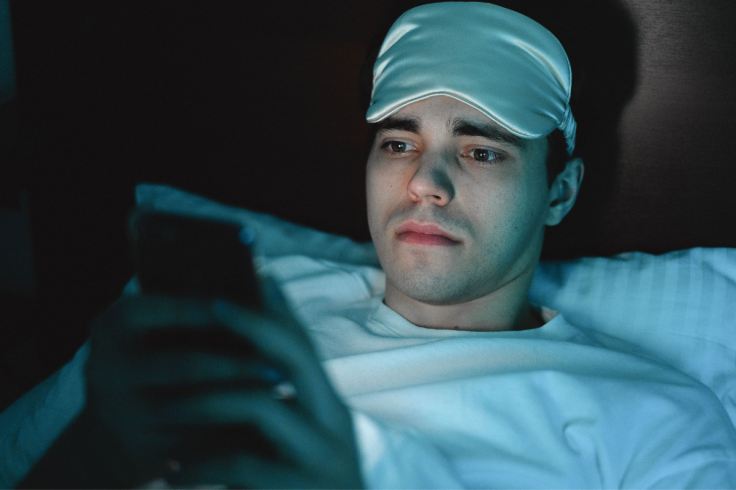
Night owls face a 70 per cent higher risk of receiving a disability pension than early risers, according to researchers from the University of Oulu in Finland. The study followed 5,679 adults from the Northern Finland Birth Cohort 1966 for 12 years.
Participants were aged 46 when their chronotype was assessed, with researchers later linking their responses to Finland's national work and pension registers. The findings were published in Occupational & Environmental Medicine.
What the Finnish Study Found
The research team classified 253 men and 381 women as evening types, while 1,182 men and 1,355 women were morning types. The remainder were classified as intermediate types.
Over the 12-year follow-up, 135 men and 249 women received their first disability pension. Evening types were 1.7 times as likely as morning types to receive one, even after adjustments for education and occupation.
In Finland, disability pensions are awarded when a person's ability to work has been substantially reduced because of illness or injury. The researchers therefore said the higher rate among evening types may reflect poorer health that eventually affects their ability to remain in work.
The authors suggested that poorer health choices and disruption of the body's internal clock could contribute to the difference. They said misalignment between natural rhythms and conventional working hours may lead to social jet lag and sleep problems.
The researchers also stressed that chronotype is a biological trait with a strong genetic basis. Their analysis supports the idea that being an evening type is not simply a matter of choosing to stay up late.
The study was observational, so it cannot prove that being a night owl causes poorer health or disability retirement. The researchers also noted that health and personal circumstances could have changed during the follow-up.
Late Nights and Mental Health
Stanford researchers have raised a separate concern about very late bedtimes. A study of more than 70,000 adults found that later sleep timing was associated with depression and anxiety, regardless of whether people identified as night owls or early birds.
Lead researcher Jamie Zeitzer said moving bedtime earlier may reduce mental health risk. His team has pointed to a 1am bedtime, although Zeitzer stressed that this was based on a middle-aged and older UK population.
The Stanford researchers distinguish chronotype from actual sleep timing. A natural preference for late hours does not necessarily mean someone routinely goes to bed very late, which matters when interpreting the findings.
Night Owls May Have a Cognitive Edge
Researchers at Imperial College London used data from more than 26,000 UK Biobank participants and found that evening types performed better on cognitive tests than morning types. The findings provide a counterpoint to research linking eveningness with poorer health.
In one group, evening types scored 13.5 per cent higher than morning types, while the difference was 7.5 per cent in another. The researchers said the results showed an association with cognitive performance, not that staying up late improves intelligence.
A separate Finnish study of nearly 23,000 twins found a nine per cent higher risk of death from any cause among definite evening types. However, researchers found that smoking and alcohol consumption largely accounted for the excess mortality.
Taken together, the research does not deliver a simple verdict on night owls. Eveningness has been linked with disability pensions and poorer mental health in some studies, while other research has found higher cognitive scores.
The Finnish findings add a warning about long-term work ability, but they do not mean every night owl will become unwell. The researchers said the observational evidence cannot establish cause and effect.