Could Your Period Pain Be Endometriosis? The Warning Signs Too Many Women Miss
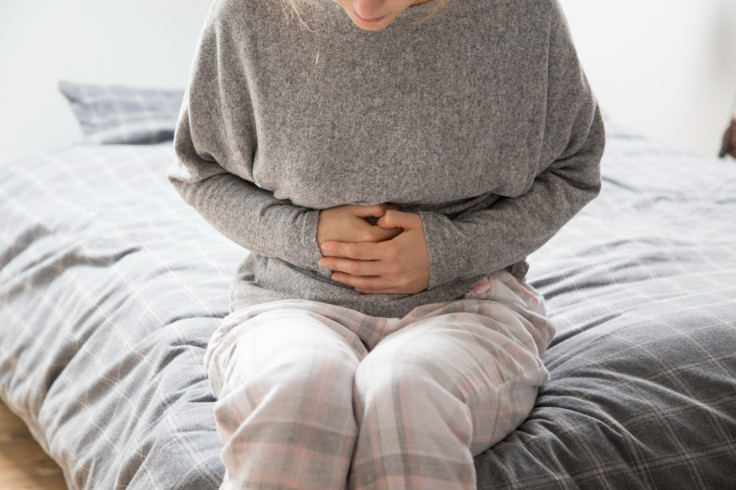
Many women expect periods to be uncomfortable. Mild cramping, bloating and fatigue are common menstrual symptoms, but pain that disrupts daily life, persists for years or comes with bowel, bladder or fertility problems may point to something more serious.
Endometriosis affects an estimated one in 10 women and those assigned female at birth of reproductive age, yet it often takes years to diagnose because its symptoms are frequently mistaken for normal period pain or other conditions.
Recognising the warning signs can help people seek medical advice sooner and potentially reduce the long-term impact on their health and quality of life.
What Is Endometriosis?
Endometriosis is a long-term condition in which tissue similar to the lining of the womb grows outside the uterus. These growths can develop on the ovaries, fallopian tubes, bowel, bladder and other areas within the pelvis.
Like the womb lining, this tissue responds to hormonal changes during the menstrual cycle. However, unlike menstrual blood, it has no way to leave the body, which can trigger inflammation, scarring and persistent pain.
Symptoms vary widely. Some people experience severe pain, while others have little or no discomfort despite having extensive endometriosis.
Severe Period Pain
Painful periods are one of the hallmark symptoms of endometriosis, but many women grow up believing intense menstrual pain is simply something they must endure.
Unlike typical period cramps, endometriosis pain can be severe enough to interfere with work, education, exercise or social activities. Some people need strong pain relief or are unable to get out of bed during their periods.
Pain may also begin before bleeding starts and continue after a period has ended.
If period pain consistently prevents you from carrying out everyday activities, it is worth discussing your symptoms with your GP.
Pain During or After Sex
Pain during deep penetration or lingering pelvic pain after sex is another symptom that is commonly overlooked or attributed to other causes.
This discomfort may occur because endometriosis affects tissues behind the uterus, around the ovaries or elsewhere in the pelvis.
Claire Norton, a British Acupuncture Council (BAcC)-registered acupuncturist specialising in fertility and women's health, said delayed diagnosis is something she frequently encounters.
'In clinic, I regularly see women who have navigated years of intense menstrual pain, painful sex, and bladder or bowel issues before getting a diagnosis,' she said.
'The toll that delay takes, physically and emotionally, is significant.'
Pain When Going to the Toilet
Endometriosis can affect the bowel or bladder, causing pain when passing urine or opening the bowels, particularly during menstruation.
Some people also experience:
- Constipation
- Diarrhoea
- Bloating
- Painful bowel movements
- Blood in the urine or stool during a period (less commonly)
Because these symptoms resemble conditions such as irritable bowel syndrome (IBS), they may initially be investigated as digestive problems.
Chronic Pelvic Pain
Pelvic pain that continues throughout the month, not just during menstruation, is another possible sign of endometriosis.
Some women describe a constant aching sensation, while others experience sharp or stabbing pain that comes and goes.
Persistent pelvic pain should not be ignored, especially if it has no obvious explanation.
Heavy Periods and Abnormal Bleeding
Although not everyone with endometriosis experiences heavy bleeding, some women report:
- Very heavy menstrual periods
- Bleeding between periods
- Longer-lasting periods
Heavy bleeding can have many causes, including fibroids or adenomyosis, so medical assessment is important.
Fatigue
Living with chronic pain and inflammation can contribute to persistent tiredness.
Many women with endometriosis report fatigue that is disproportionate to their level of activity and does not improve with rest.
Fatigue can affect concentration, work performance and emotional wellbeing, particularly when combined with chronic pain.
Fertility Problems
For some women, difficulty becoming pregnant is the first sign that something is wrong.
Endometriosis can affect fertility in several ways, including causing inflammation, scarring or damage to reproductive organs.
Norton said some cases remain undetected until fertility investigations begin.
'I also see cases where endometriosis is silent,' she explained.
'Sometimes it's only after failed IVF attempts that a laparoscopy uncovers endometriosis that may have been playing a role all along.'
She added that between 30% and 50% of women experiencing fertility problems are diagnosed with endometriosis, highlighting the close relationship between the condition and reproductive health.
Why Is Endometriosis So Often Missed?
One reason diagnosis is delayed is that symptoms overlap with many other conditions, including:
- Painful periods (dysmenorrhoea)
- Irritable bowel syndrome (IBS)
- Urinary tract conditions
- Pelvic inflammatory disease
- Ovarian cysts
Some women also experience very mild symptoms, making the condition harder to recognise.
In other cases, painful periods are normalised by family members, friends or even patients themselves, leading them to delay seeking medical advice.
How Is Endometriosis Diagnosed?
There is no single blood test for endometriosis.
Doctors usually begin by discussing symptoms, menstrual history and carrying out a pelvic examination if appropriate.
Investigations may include:
- Pelvic ultrasound
- MRI scan in selected cases
- Referral to a gynaecologist
- Laparoscopy, a keyhole surgical procedure that allows doctors to examine the pelvis and, where appropriate, treat endometriosis at the same time
Not everyone requires surgery immediately, and diagnosis increasingly relies on a combination of symptoms, imaging and specialist assessment.
How Is Endometriosis Treated?
Treatment depends on the severity of symptoms, the person's age and whether they wish to become pregnant.
Options may include:
- Anti-inflammatory painkillers
- Hormonal treatments, including the contraceptive pill or hormonal coils
- Surgery to remove endometriosis tissue
- Fertility treatment where appropriate
- Lifestyle measures to help manage symptoms
Some women also use complementary therapies alongside conventional treatment to help manage pain and improve wellbeing.
When Should You See Your GP?
You should arrange a medical assessment if you experience:
- Severe period pain that affects everyday life
- Pain during or after sex
- Persistent pelvic pain
- Pain when opening your bowels or passing urine during your period
- Heavy menstrual bleeding
- Difficulty becoming pregnant
- Symptoms that do not improve with over-the-counter pain relief
Early assessment may help identify endometriosis sooner and prevent prolonged suffering.