
Born With a Heart Defect, 22-Year-Old Bride Faces Life-Threatening Complications After Surgery
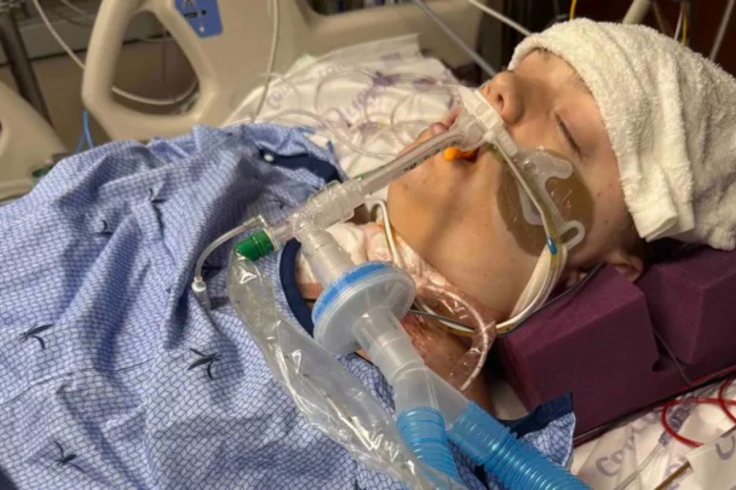
A 22-year-old newlywed faced life-threatening complications after heart surgery, including severe bleeding and heart and lung failure. Her family later said she had nearly died three times. Natasha Barbotiko, from Billings, Montana, underwent the operation on 27 October, two months after marrying Domanic Slayton.
Instead, an operation expected to last six hours continued for 10. Doctors struggled to restart her heart, and she later developed heart and lung failure before being airlifted to Salt Lake City.
Surgery Takes Unexpected Turn
Barbotiko was born with a heart defect that doctors had monitored since childhood. A check-up in March indicated she would need open-heart surgery to repair a heart valve. Her family had expected the procedure to go smoothly because of her young age.
Jan Hefner, who organised a fundraiser for Barbotiko's medical expenses, shared updates about the operation and her condition. According to the family, excessive bleeding prolonged the procedure, and doctors had difficulty restarting her heart after it was stopped during surgery.
The updates said she was stabilised overnight and remained under medical attention through much of 28 October. By that afternoon, however, her condition had deteriorated and she developed heart and lung failure.
Her family said doctors placed her on an emergency heart-and-lung support machine before she was airlifted to Salt Lake City. Her family was left uncertain about what would happen next and was taking the situation hour by hour.
'Never in a million years did we see all these other things happening,' her mother-in-law, Michelle Kraft, said. She also questioned how often the procedure had been performed: 'Has it been done a million times? Has it been done 50 times?'
Understanding Heart-Lung Support
Open-heart surgery involves opening the chest to give surgeons access to the heart. Some procedures repair or replace valves or treat congenital heart defects.
The Cleveland Clinic explains that some operations use cardiopulmonary bypass, in which a heart-lung machine temporarily takes over the functions of the heart and lungs. The clinic lists bleeding, stroke, kidney injury and lung injury among possible complications.
The Cleveland Clinic says the risk of complications from cardiopulmonary bypass generally increases with the time a patient spends on the machine. Depression and mood changes can follow surgery, and recovery typically takes six to 12 weeks, although complications can extend that timeframe.
The updates do not establish how long Barbotiko received emergency support or identify the exact equipment used. The Mayo Clinic distinguishes cardiopulmonary bypass during surgery from ECMO, which can provide longer-term heart and lung support in intensive care.
Recovery Brings Physical, Emotional Toll
Barbotiko was scheduled for another operation on 1 November. A 5 November fundraiser update said she was no longer intubated and that her heart was 'closed up now'.
Later updates said she had started physical and speech therapy and was getting closer to leaving intensive care. According to the fundraiser's 9 November update, she had undergone two open-heart surgeries and two additional operations within seven days.
A 9 November update said Barbotiko was struggling because she wanted to do more. She was also finding it difficult to cope mentally with the knowledge that she had nearly died three times.
Her family expects her recovery to take months. Physical rehabilitation and emotional recovery will continue after her intensive care stay.
Family Still Seeks Answers
Kraft's questions reflected the family's concerns about the first operation and how its complications were handled. Relatives wanted to understand the procedure's history and how the team's experience might affect the likely outcome.
The fundraiser encouraged patients and relatives to ask questions and advocate for themselves before surgery. It also reflected the family's desire to understand the risks and the events that followed Barbotiko's operation.
Intermountain Health declined to comment on Barbotiko's individual situation. Her family expressed gratitude for the financial contributions, prayers and messages of support.
Relatives hope to keep Barbotiko's husband by her side as she continues treatment. The couple had been married for about two months when the operation changed their lives.