
Oscar-Nominated Actor Reveals Celebrity Skin Treatment Designed To Firm Skin Without Needles
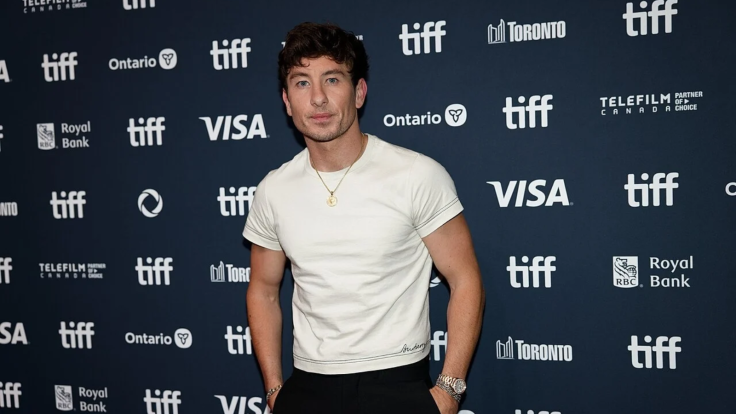
Barry Keoghan, 34, has allowed cameras to film a needle-free skin-tightening treatment that uses radio-frequency energy to stimulate collagen. The Oscar-nominated actor narrated the session, which was his second Xerf treatment.
The Cleveland Clinic says radio-frequency devices use low-frequency electromagnetic waves to generate heat that penetrates deep into the skin. That heat stimulates collagen and elastin, proteins that give skin strength and flexibility.
Nilam Holmes, a UK celebrity facial expert and founder of Dermaspa, shared the footage on Instagram. The treatment costs around $3,500 (about £2,628) for a face and neck session, according to Dermaspa's website.
How Xerf Works on Skin
Xerf delivers controlled energy into different layers of the skin using radio-frequency technology, supporting tightening and collagen renewal without needles. It is recommended for mild-to-moderate skin laxity.
The American Board of Cosmetic Surgery says collagen and elastin production slows with age, leading to lax, sagging skin on the face, neck and body. Non-surgical skin-tightening treatments can improve the appearance of mild skin laxity, but they do not stop the natural ageing process.
Needle-Free Versus Invasive Options
The American Academy of Dermatology says minimally invasive radiofrequency inserts a thin tube or needles into the skin. Patients are sedated, need someone to drive them home and may wear a compression garment for four or five days.
By contrast, non-invasive procedures leave the skin intact, with little or no downtime. Most take an hour or less, and the area may feel warm, with mild discomfort. Redness and swelling are usually the only signs afterwards.
Keoghan Cites Self-Care Benefits
In a March 2025 post, Holmes said unstructured routines, travel, make-up and disrupted sleep patterns take a toll on the skin. Regular sessions involve calming inflammation and maintaining a healthy, rested look.
In the video, Keoghan said: 'I think it's important to look after yourself inside and outside.' He found the sessions relaxing and therapeutic, and his skin has improved in recent years.
Results and Safety Concerns
Some people notice tightening immediately after radio-frequency treatment, although results develop gradually as collagen production increases. The best results may take around six months to appear, and some people benefit from additional sessions. Results and their duration vary by treatment and individual.
Radio-frequency tightening is most effective on younger people starting to show signs of ageing. More than 188,000 Americans had a skin-tightening procedure in 2020. Such procedures are not covered by insurance.
Radio-frequency skin tightening is relatively safe, with mild redness and swelling that should fade within 24 hours. In rare instances, extreme heat can cause burns, so choosing an experienced specialist matters.
The American Society for Dermatologic Surgery lists swelling, bruising and redness as common side effects. Uncommon effects include burns, infection, numbness, muscle weakness, inflammatory or allergic reactions and contour changes.
In some cases, swelling or bruising can last up to two weeks. Many patients resume normal activities later the same day or the next, and redness typically clears within hours.
Non-invasive tightening is not recommended for patients with a current infection in the treatment area, blood-clotting problems or pregnancy. People who take certain medications are also cautioned against it.
Anyone considering non-surgical tightening should consult an experienced cosmetic surgeon. Patients should tell the specialist about any active skin disease, other skin treatments or pregnancy.