
UK Moves To Restrict High-Risk Beauty Treatments as Ministers Target Unsafe Cosmetic Procedures
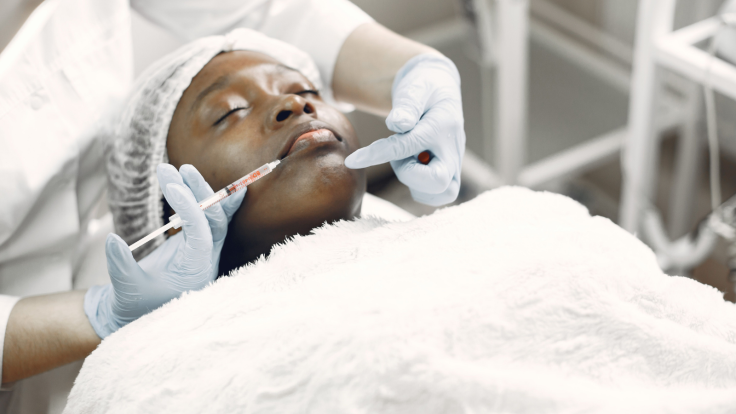
The UK government has announced plans to tighten restrictions on high-risk cosmetic treatments, targeting unqualified practitioners who perform potentially dangerous procedures in beauty salons and other high-street settings.
The proposed rules would limit who can perform treatments such as liquid Brazilian butt lifts (BBLs), deep chemical peels and vampire facials, following concerns about serious complications and gaps in regulation.
Health Minister Karin Smyth said patients should be able to undergo cosmetic procedures without risking their lives because of inadequately trained practitioners. The government also plans to introduce a licensing scheme for lower-risk treatments, including Botox and lip fillers.
Which Cosmetic Treatments Could Face Restrictions?
Under the proposed rules, procedures involving dermal fillers injected into areas other than the face, including liquid BBLs, would be legally classified as cosmetic surgical procedures. These treatments would therefore be restricted to qualified medical professionals.
Other high-risk procedures, including deep chemical peels and vampire facials, would also be limited to specified healthcare professionals, including doctors, dentists and certain nurses, midwives and pharmacists.
Vampire facials involve microneedling and the application or injection of platelet-rich plasma derived from a patient's own blood. Although promoted for skin rejuvenation, these procedures can carry risks when performed without appropriate training, infection-control measures or clinical oversight.
The government said the proposed restrictions aim to ensure that practitioners performing the most serious procedures have the necessary qualifications and training. Those who breach the rules could face unlimited fines or fixed penalties of up to £4,000 ($5,358.16).
Why Is the Government Tightening Cosmetic Regulations?
The crackdown follows growing concern about the safety of non-surgical cosmetic procedures, which have become increasingly accessible through high-street businesses and social media advertising.
One case that intensified calls for stronger safeguards was the death of Alice Webb, a 33-year-old mother of five who died in 2024 after undergoing a liquid BBL at a salon in Gloucester.
The procedure involves injecting dermal filler into the buttocks to alter their shape without conventional surgery. Despite being marketed as a non-surgical alternative, the treatment can cause serious complications, including vascular injury and tissue damage.
Campaigners have argued that gaps in regulation have allowed practitioners without appropriate medical training to perform procedures that carry substantial health risks.
The British Beauty Council has also welcomed efforts to strengthen oversight, noting that the distinction between beauty treatments and medical procedures has become increasingly blurred as the aesthetics industry expands.
What Are the Health Risks of Unregulated Treatments?
Cosmetic procedures can cause complications even when performed by qualified professionals. However, inadequate training, poor hygiene and a lack of understanding of anatomy may increase the risk of serious harm.
Dermal filler injections can cause infection, tissue damage and blood vessel blockage. In severe cases, vascular complications can result in tissue death and other lasting injuries.
Chemical peels can cause burns, scarring, pigment changes and infections, particularly when strong formulations are used incorrectly or without appropriate assessment and aftercare.
Microneedling procedures also break the skin's protective barrier, creating opportunities for infection if equipment is contaminated or proper hygiene is not maintained.
People considering cosmetic treatments should check a practitioner's qualifications, ask about potential complications and seek clear information about the products and techniques being used. They should also know where to obtain medical assistance if complications develop.
What Happens Next?
The government plans to consult doctors, regulators, businesses and other stakeholders before developing draft regulations. The proposals are expected to proceed through Parliament, with the legislative process planned for spring 2027.
Ministers have also reiterated their commitment to introducing a licensing scheme for practitioners offering lower-risk treatments, including Botox and lip fillers. The scheme is intended to establish clearer safety standards and help consumers identify appropriately qualified providers.
However, some surgical professionals have warned that the proposed changes must ensure consistent patient protection across both surgical and non-surgical procedures. They argue that medical registration alone should not automatically qualify someone to perform every cosmetic operation.
Protecting Patients From Unsafe Cosmetic Procedures
The proposed crackdown represents a significant step towards stronger oversight of the UK's aesthetics industry. By restricting high-risk procedures to appropriately qualified professionals, the government aims to reduce preventable complications and make cosmetic treatments safer.
For consumers, the announcement reinforces the importance of looking beyond promotional claims and low prices when choosing a provider. Understanding the risks, checking credentials and seeking appropriate medical advice can help people make informed decisions about cosmetic procedures.