BetBolt Says It Paid Bonnie Blue $1.2M to Name Her Baby to Turn Her 'Porn Addict' Fans Into Gambling Addicts
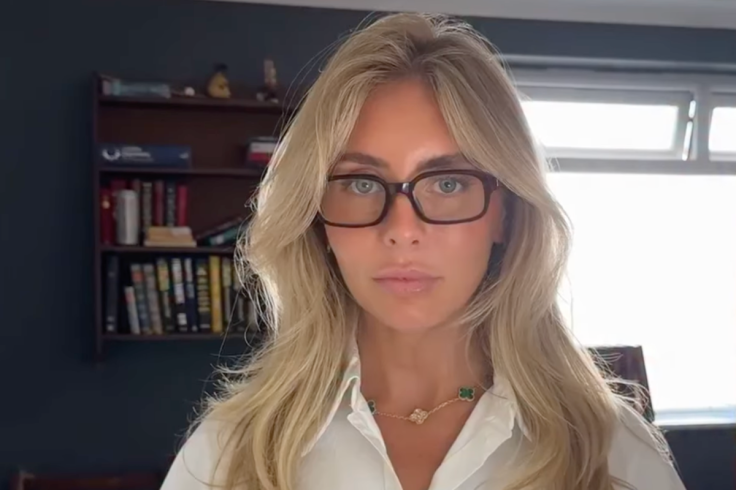
A gambling company that claims it paid Bonnie Blue $1.2 million (£907,000) for the right to name her newborn has revealed the disturbing marketing logic behind the deal, openly describing her fans as 'vulnerable'.
The adult content creator claims her baby is now called BetBolt after holding an auction on TikTok in which the highest bidder could choose the child's name. Offshore crypto gambling company BetBolt says it won with a £907,000 bid.
However, the payment has not been independently verified. BetBolt told Metro that the money had been paid in full but declined to provide proof of funds.
'We F**k Thousands of Men Financially'
When Metro asked BetBolt why it wanted to associate itself with Blue and her newborn, a spokesperson named Leo offered an unusually explicit explanation. 'We feel our brands have many things in common,' he said.
'She quite literally f**** thousands of men physically and we f*** thousands of men financially... Any true fan of hers is clearly vulnerable. It's the perfect opportunity to convert their porn addiction into a gambling addiction.'
When pressed on the comments, Leo said BetBolt was simply being 'honest and blunt' and viewed the arrangement as a marketing opportunity.
Concerns Raised Over Baby's Identity
The alleged naming deal has also raised questions about the potential impact on Blue's child. Psychologist Emma Kenny told Metro that publicly connecting a child's identity to a gambling company could expose them to 'ridicule, stigma, embarrassment and online harassment'.
'This baby cannot consent to having their identity turned into a commercial transaction,' Kenny said. She added that the child could eventually view the episode as evidence that they had been treated as a 'marketing opportunity' before being recognised as an individual.
BetBolt's spokesperson said he believed the baby was 'in good hands' after speaking with Blue following the auction. 'Financially, it's going to live like a king or queen, it won't grow up in poverty, but the media make out [Bonnie] is a monster,' he said.
Blue has defended the alleged deal, asking critics whether they would rename their own child for $1.2 million. 'Because I know I would,' she said.
How Many Britons Are Affected by Gambling Problems?
BetBolt's comments come against a significant public-health backdrop.
The latest Gambling Survey for Great Britain, covering 2025, estimated that 2.4% of adults in Great Britain had a Problem Gambling Severity Index score of eight or above, equivalent to roughly 1 million to 1.5 million adults.
A separate GambleAware survey found that 13.1% of adults, or approximately 6.8 million people in Great Britain, experienced some level of gambling problems. Another 4.3 million adults were estimated to have been affected by the gambling of a family member or friend.
What Are the Signs of Gambling Addiction?
Gambling addiction is a behavioural addiction involving a compulsive desire to gamble despite the harm it causes.
Warning signs can include constantly thinking about gambling, spending increasing amounts of money, repeatedly attempting to win back losses, hiding gambling activity and struggling to stop. People may also borrow money, become socially withdrawn or fail to meet financial and personal responsibilities.
Gambling can trigger dopamine through the brain's reward system, contributing to the 'thrill' associated with betting. UK Addiction Treatment Centres says this neurochemical response can occur even when a bet is lost.
The consequences can extend beyond finances. Gambling-related problems can involve emotional distress, relationship breakdown, social isolation, shame and serious mental and physical health consequences.
Is Gambling Addiction Treatable?
Treatment is available in the UK.
In England, specialist NHS gambling clinics have teams including psychiatrists and psychologists who can treat gambling-related problems, provide therapy for related complex health needs and support patients through recovery. People can self-refer or seek information through their GP.
Treatment can include psychological therapies. UKAT says its programmes use individual therapy and group sessions, including cognitive behavioural therapy (CBT), to help people manage compulsive gambling behaviour.
Since 1 April 2026, NHS England has also been responsible for commissioning gambling-harm treatment in England under a statutory levy on gambling operators, covering services from referral and assessment through treatment and aftercare.
Against that backdrop, BetBolt's remarks are particularly striking: the company explicitly described Blue's fans as 'vulnerable' while calling the arrangement an opportunity to turn what it characterised as their existing addiction into gambling addiction.