
Is Being a Disney Adult a Mental Illness? Woman Accused of Stalking 'Peter Pan' Sparks Discussion
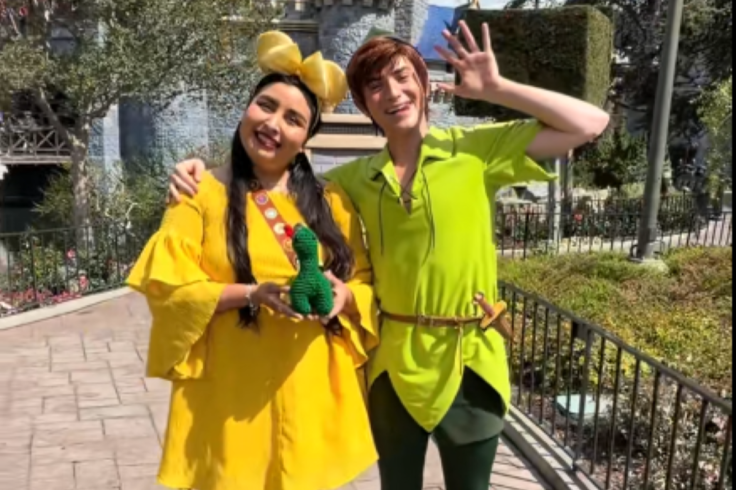
A woman's years-long fascination with Disneyland's Peter Pan performers has sparked a surprisingly serious question online: can being intensely obsessed with a fictional character become a mental health problem?
The controversy centres on 27-year-old TikTok creator Toni, whose videos documenting repeated interactions with Peter Pan performers at Disneyland have recently gone viral. Her content includes approaching performers, giving them gifts, and filming interactions, with some viewers accusing her of stalking the actors.
But mental health experts warn against making the leap from unusual fandom to psychiatric diagnosis. The real question, they say, is not how much someone loves Disney, but whether that attachment causes significant impairment, becomes difficult to control, or contributes to behaviour that disregards other people's boundaries.
@babytoni99 Gave the little green bean one of my projects finally #peterpan #disneyland #disneyadult #magickey
♬ original sound - Toni
Being a 'Disney Adult' Is Not a Mental Illness
There is no recognised psychiatric diagnosis for being a 'Disney adult' or having an intense attachment to Disney characters.
Dr Owen Muir, a double board-certified psychiatrist and chief science officer at Radial Health, said psychiatric problems are generally defined by their impact on a person's functioning rather than by whether a particular interest appears unusual to others.
'It's not disabling to have a fixation that brings you joy,' Muir said. 'It's not disabling to have a community that you find supportive and has shared understandings.'
Dr Eleni Nicolaou, a clinical psychologist and art therapist, similarly said clinicians do not assess what people are attached to in isolation.
'There is no diagnosis in the DSM for having too much love for Disney,' Nicolaou said. Instead, she looks at 'how it's being used' in someone's life.
That distinction is important. An adult who visits Disney parks regularly, collects merchandise, watches Disney films, or spends a significant amount of time discussing favourite characters is not necessarily displaying a mental health disorder.
Why Do Adults Become So Attached to Childhood Characters?
There are several perfectly ordinary reasons why childhood characters can retain emotional significance well into adulthood. Nostalgia can provide familiarity and comfort, particularly during stressful or uncertain periods.
Muir noted that Disney has accumulated many major pieces of childhood intellectual property, including Marvel, Pixar, and Lucasfilm, meaning its appeal extends far beyond traditional animated characters.
Nicolaou said familiar characters can also provide a sense of predictability that adult life often lacks. 'When the world is in turmoil, the brain wants repetition and a familiar face does just that,' she said.
For some people, returning to a beloved fictional world may therefore be a harmless way of regulating emotions, relaxing, or reconnecting with positive childhood memories. And there is nothing inherently unhealthy about that.
When Does Fandom Become Obsession?
The distinction between enthusiastic fandom and problematic behaviour is less about frequency and more about control and consequences.
Nicolaou said a person may have an intense hobby and remain perfectly healthy if they can step away from it when necessary. 'The key to the difference between passion and obsession is control,' she said.
Warning signs can include repeatedly sacrificing work, relationships, or financial stability for the hobby. Nicolaou also pointed to situations where a person's daily routine becomes organised almost entirely around an obsession, leaving little room for other responsibilities or interests.
Research also suggests that loneliness and social isolation are closely associated with a range of mental health conditions and symptoms, although the relationship is complex and does not establish that fandom itself causes mental illness.