
Jamie Foxx Opens Up About Daughter's Role in His Stroke Recovery: Why Support Can Matter After a Stroke
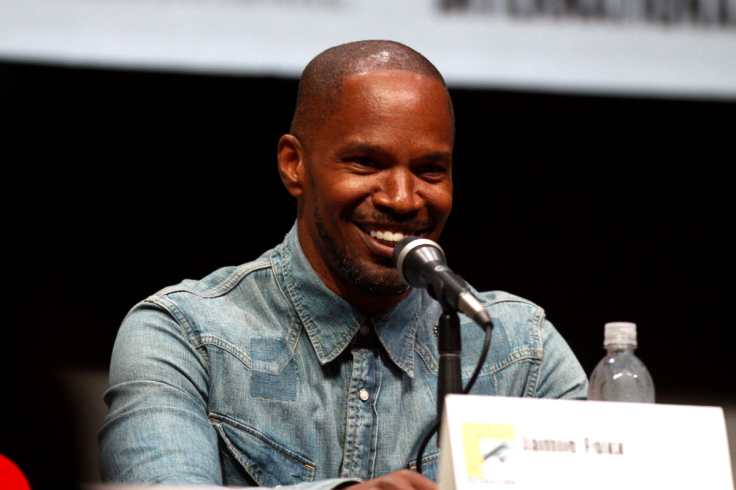
Jamie Foxx has opened up about the role his eldest daughter, Corinne Foxx, played during his recovery from a life-threatening stroke, describing her actions as a major reason he survived the ordeal.
Speaking on Keke Palmer's podcast, Foxx became emotional while recalling how Corinne took charge after he suffered a brain bleed that led to a stroke in April 2023. He said a doctor later told him: 'Without her, you wouldn't be here.'
Foxx has previously revealed that the medical emergency left him fighting for his life and that he did not remember about 20 days surrounding the event. His 2024 Netflix special also revealed that he initially struggled to walk during his recovery.
What Happens After a Stroke?
A stroke occurs when blood flow to part of the brain is interrupted, either because a blood vessel becomes blocked or because a blood vessel bleeds. A brain bleed, such as the one described by Foxx, can therefore cause a haemorrhagic stroke.
The effects depend on which part of the brain is affected and how extensive the damage is. Survivors may experience problems with movement, speech, memory, concentration, swallowing, or emotional regulation.
Recovery can also vary significantly. Some people regain much of their previous function, while others live with long-term disabilities. The Stroke Association says stroke is a leading cause of adult disability in the UK, with around two-thirds of survivors living with some form of disability.
Why Can Family Support Matter?
Rehabilitation is often a long process involving healthcare professionals such as physiotherapists, occupational therapists, and speech and language therapists. But support outside clinical settings can also be important.
Family members may help survivors attend appointments, follow rehabilitation routines, communicate with healthcare professionals, and adapt to changes in everyday life.
Emotional support can be particularly important because stroke recovery is not solely physical. Anxiety, depression, and other mental health difficulties can affect survivors during recovery. The Stroke Association says up to three-quarters of stroke survivors experience mental health challenges, ranging from anxiety to suicidal thoughts.
For someone recovering from a severe stroke, having a trusted person nearby may also provide reassurance while they adjust to changes in independence, mobility, or communication. Social connection can help reduce isolation at a time when everyday activities may become more challenging.
However, family support should not be viewed as a replacement for medical rehabilitation. Stroke recovery requires individualised assessment and treatment, and caregivers themselves may need support when the demands become overwhelming.
Can People Fully Recover From a Stroke?
There is no single recovery timeline. Improvement may occur rapidly during the first weeks and months, but progress can continue for much longer.
Some survivors regain independence, while others require ongoing assistance. Rehabilitation can help people relearn skills, develop strategies for managing lasting difficulties, and maximise their independence.
The Stroke Association estimates that around 100,000 people have strokes in the UK each year, with approximately 1.4 million stroke survivors living in the country.
Foxx's experience, therefore, highlights an important part of stroke recovery that can be overlooked: surviving the initial medical emergency is only the beginning. For many people, the journey afterwards involves rehabilitation, adjustment, and sustained support from both healthcare professionals and loved ones.
While recovery looks different for everyone, having reliable people around a survivor can make the process less isolating and help them navigate the physical and emotional challenges that can follow a stroke.