
Women Are Told to Run for Exercise. Then We Have to Plan How to Escape If Someone Grabs Us.
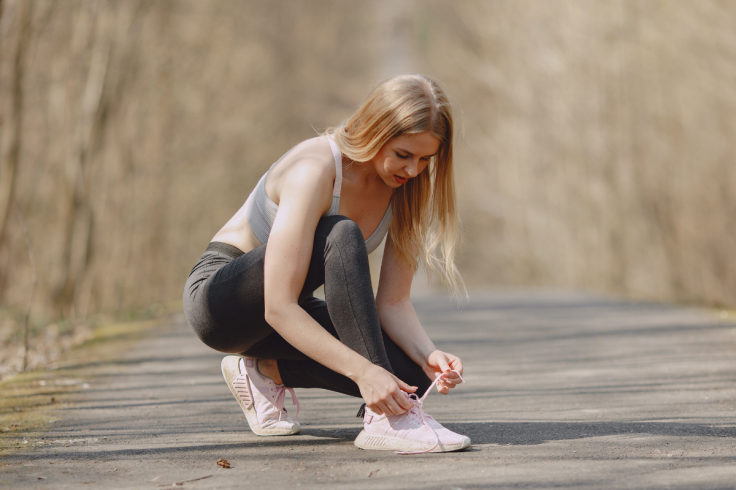
Before Vikki Hartfree goes out for a run, she thinks about her hair. Not whether it will look neat, but whether someone could grab it from behind. She thinks about her jacket, too: if she could get out of it quickly enough if someone caught hold of her. That is what it can take for a woman to go for a run.
Hartfree, a 49-year-old personal trainer from Brampton in Cambridgeshire, was running with a friend near Huntingdon last summer when a man exposed himself to them. It was around 9am. It was daylight. Even so, she has since stopped running in the area.
She reported it to the police, but by the time the BBC reported on her experience in January 2026, no one had been arrested.
Before the Run Even Begins
Hartfree's precautions are not unusual. They are the quiet checklist many women go through before leaving the house:
- Wear your hair in a low ponytail or plaits so it cannot be grabbed.
- Choose a jacket loose enough to get out of quickly.
- Pick a route that is well lit, busy and familiar.
- Avoid running alone, especially after dark.
- Share your location, carry your phone and change your routine if something feels off.
None of this is 'fitness'. It's threat assessment. As Hartfree put it: 'If I'm wearing a jacket in the winter I make sure it's one that I can get out of easily that's not tight fitting.' A jacket should be something a runner chooses for the weather. Instead, it becomes something she may need to escape from.
Harassment Is Not a Minor Inconvenience
Across the Atlantic, the killing of Laken Riley showed how a morning run could end in devastating violence. Riley, a 22-year-old nursing student at Augusta University, was killed while jogging on the University of Georgia campus in February 2024. Jose Ibarra was convicted of her murder and sentenced to life without parole that November.
But Riley was more than the circumstances of her death. She and a housemate had hoped to run their first marathon together. Their runs sometimes ended by a lake, talking and listening to music. Running was part of a life she shared with her friends.
That is what women lose when public spaces feel unsafe: not only a sense of security, but the ordinary freedom to move, exercise and simply exist outside. Harassment and murder are not the same thing, but neither should be a normal part of going out to exercise.
For Millie Owen, 26, from Newquay in Cornwall, feeling safer meant getting into her car before she could even begin her run. Because of long working hours, many of her runs took place after dark, so she drove somewhere better lit. She described being catcalled or shouted at, both alone and while out with her running club.
'I've never been attacked, but it's just more feeling uncomfortable,' she said.
A woman should not have to be physically attacked before the discomfort affecting her everyday life is taken seriously.
The Scale of the Problem
This is not a handful of isolated stories. Research from the University of Manchester surveyed 498 women who run in Greater Manchester and Merseyside. Sixty-eight per cent said they had experienced abuse while running, including verbal abuse, being followed, flashing, and physical or sexual assault. Only 5 per cent of those who experienced abuse had reported it to the police.
The findings describe the women surveyed, not every female runner in Britain. But they point to a familiar pattern: widespread abuse, low reporting, and women quietly reshaping their lives around other people's behaviour.
Eighty-two per cent of participants said they had concerns for their safety while running, even if they had never personally experienced an incident.
That is the part that rarely makes headlines: the constant mental load. The route planning. The timing. The clothing. The 'text me when you're home'. The decision to skip a run altogether because it is dark, quiet, or simply not worth the risk.
Freedom Should Not Be a Special Event
Around 5,000 women took part in Nike's After Dark Tour 10K in London on 17 October 2026, running part of the course along London City Airport's runway.
Events like that matter. They create community, visibility and joy. Women deserve spaces where they can run at night without being treated as an exception, a target, or a problem to be managed.
But women should not need a specially organised, sold-out event to experience that freedom. In a BBC report, Devon and Cornwall Police's Detective Superintendent Nicky Seager had said responsibility should not rest solely on women to change their behaviour.
That is the point. Hartfree and Owen were already doing everything women are told to do: run with someone, choose safer routes, dress strategically, avoid darkness and stay alert. The one thing they could not plan away was other people's behaviour.
Being able to go for a run and feel safe should not be special. It should not depend on the time of day, the brightness of the street, or whether a man decides to leave you alone. It should just be normal.