
Russell Brand Trial: How Trauma and Shame Can Make Sexual Assault Survivors Blame Themselves
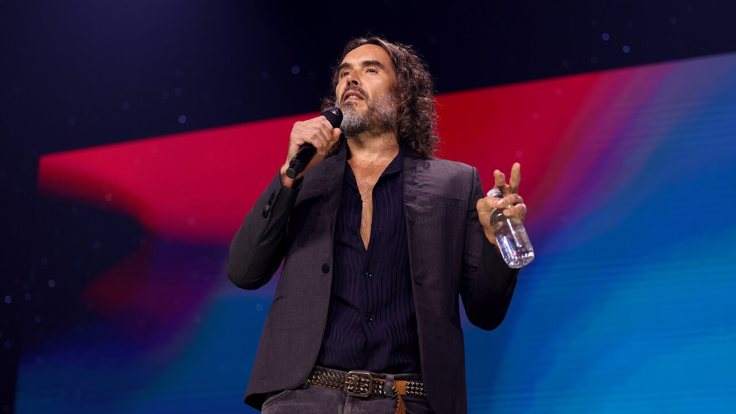
'Had I come forward, would it have stopped?' A woman who alleges Russell Brand raped her more than 25 years ago asked jurors that question as she spoke of her shame and guilt over not reporting the alleged attack at the time.
Brand, 51, denies all charges and has pleaded not guilty. He is accused of three counts of rape, three of sexual assault and one of indecent assault involving six women between 1999 and 2009.
Sexual assault can be among the most traumatic experiences a person faces, says South Pacific Private, a Sydney mental health and addiction treatment centre specialising in trauma. It can destabilise a person's sense of self and trust in others.
Alyssa Lalor, program director at the centre, said survivors may experience high levels of anxiety, fear and depression, along with 'immense amounts of shame and self-blame'. The consequences can extend beyond physical injury, she said.
How Shame Silences Survivors
Shame, Lalor explained, is the belief that 'there is something inherently wrong with me'. It distorts self-perception, damages self-esteem and can stop survivors from reaching out for help.
Silence can leave survivors in a state of 'toxic shame', making reaching out nearly impossible in some cases, Lalor said. Shame makes people want to hide, while sharing it allows connection.
The woman told jurors she did not think she would be believed in 1999 and felt guilty hearing about other allegations. Her question about whether coming forward would have stopped the alleged conduct reflects the self-questioning specialists describe.
What Jurors Have Heard
A 2023 documentary prompted the woman to contact police, and the trial is now expected to last around six weeks. All six complainants came forward after it, Judge Joel Bennathan told jurors at Southwark Crown Court.
Bennathan said the defence may suggest the documentary led some complainants to revisit historic events. It may also have led some to reshape memories of consensual acts into alleged crimes, he said.
How Self-Blame Takes Hold
Specialists say self-blame can take different forms. Some survivors focus on a perceived failure to act differently, asking why they did not fight harder, while others blame an inherent flaw such as being weak or naive.
The reasons for self-blame are complex. Blaming oneself can be an attempt to make sense of a chaotic event or to answer 'why me?', and it can become an unhealthy coping mechanism that creates a sense of control.
Another woman told police in 2023 that an alleged assault in 2004 had left her in 'disbelief and shock'. She said part of her was telling her to 'get it over with' so she could leave.
Megan Thomas, a New York sexual harassment attorney and founder of Megan Thomas Law, said women often blame themselves when there is a significant power imbalance. They may think, 'I must be oversensitive.'
Why Support Matters for Recovery
Speaking with a well-matched therapist or joining group conversations with fellow survivors can be a powerful part of healing. Sharing shame in a supportive setting can strip it of its power to control, specialists say.
Without a path to healing, survivors risk depression, anxiety, negative self-perception, social withdrawal, addiction and post-traumatic stress disorder. With the right support, they can regain control and build resilience, specialists say.
Loved ones also play a role. Questions starting 'why didn't you' or comments like 'I would have' can reinforce shame, according to senior psychotherapist Di Young. She said people need empathy and unconditional support, not advice.
Professional help and support groups are available, and survivors can eventually move towards reclaiming their personal power. Specialists say shame and blame belong with whoever commits an assault, not the survivor.