Healthy Mum, 33, Suffered a Stroke While Breastfeeding Her Newborn: The First Warning Sign Was in Her Hand
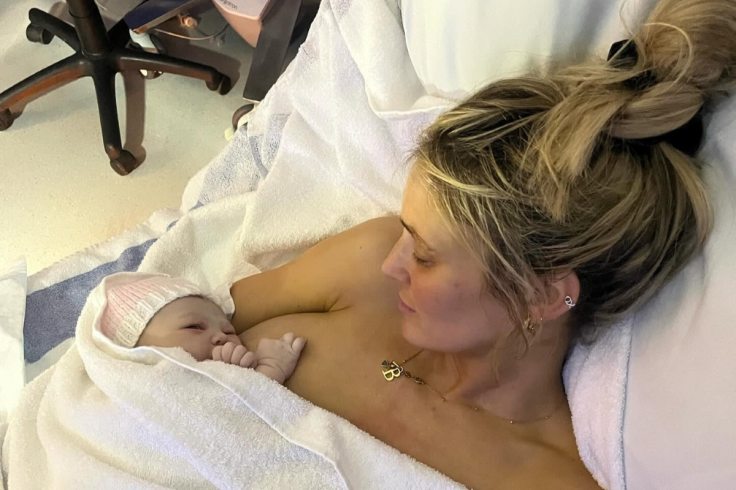
A healthy 33-year-old mother has shared how she suffered a life-changing stroke while breastfeeding her three-week-old baby, after noticing an unusual problem with her hand.
Becki Barratt, a fitness coach from Chester, had no reason to expect a stroke. She was caring for her newborn daughter when she suddenly realised that something was wrong with her left hand.
The seemingly minor symptom was followed by a dramatic deterioration. Becki eventually lost the use of the entire left side of her body.
She has since shared her experience to raise awareness that stroke can affect younger people and that recognising symptoms quickly can be critical. The Stroke Association published her story on 18 August, describing the event as a 'life-changing stroke' while she was breastfeeding her baby.
What Happened to Becki?
Becki was breastfeeding her three-week-old daughter when she first noticed something unusual in her hand.
The symptom may have seemed relatively easy to dismiss, particularly while caring for a newborn and recovering from childbirth. But it was an early indication that something serious was happening. Her condition subsequently worsened, leaving her unable to use the left side of her body.
Doctors are still investigating exactly why Becki suffered the stroke. Her case is a reminder that being young, physically active, or apparently healthy does not completely eliminate the possibility of stroke.
Can Young Women Have Strokes?
Yes. Although stroke is more common in older adults, younger people can also have it.
Women also have particular stroke-related risks associated with pregnancy and the period after giving birth. The Stroke Association notes that stroke can affect women during pregnancy and after childbirth, while the physical effects can make caring for a baby considerably more difficult.
Pregnancy and the postpartum period involve major changes to the cardiovascular and blood-clotting systems. These changes are important for protecting against blood loss during childbirth, but they can also contribute to an increased risk of blood clots.
Other factors, including high blood pressure and certain clotting disorders, can further increase the risk. Importantly, however, breastfeeding itself should not be considered a cause of stroke. Becki happened to be breastfeeding when her symptoms began, but that does not mean feeding her baby triggered the stroke.
What Are The Early Warning Signs?
Stroke symptoms usually appear suddenly. The NHS and stroke organisations commonly use the FAST approach to help people recognise the emergency:
- Face: Has one side of the face drooped?
- Arms: Is there weakness or numbness in one arm?
- Speech: Is speech slurred or difficult to understand?
- Time: Call 999 immediately if any of these signs are present.
However, stroke symptoms can vary.
Sudden numbness or weakness, particularly on one side of the body, can be an important warning sign. Becki's experience is particularly relevant because her first noticeable problem involved her hand.
Other possible symptoms include sudden vision problems, dizziness, confusion, difficulty walking, or a severe headache. A person does not need to have every FAST symptom before seeking emergency help.
Why Does Speed Matter?
A stroke happens when the blood supply to part of the brain is interrupted, usually because of a clot blocking a blood vessel or, less commonly, because a blood vessel ruptures.
Without enough oxygen and nutrients, brain cells can become damaged. The faster a person receives appropriate treatment, the greater the opportunity to limit brain injury.
That is why sudden weakness or numbness should never be assumed to be tiredness, stress, or a temporary consequence of caring for a newborn.