
Women Claim Popular Panty Liners Exposed Them to PFOA, a Cancer-Linked 'Forever Chemical', After Years of Use
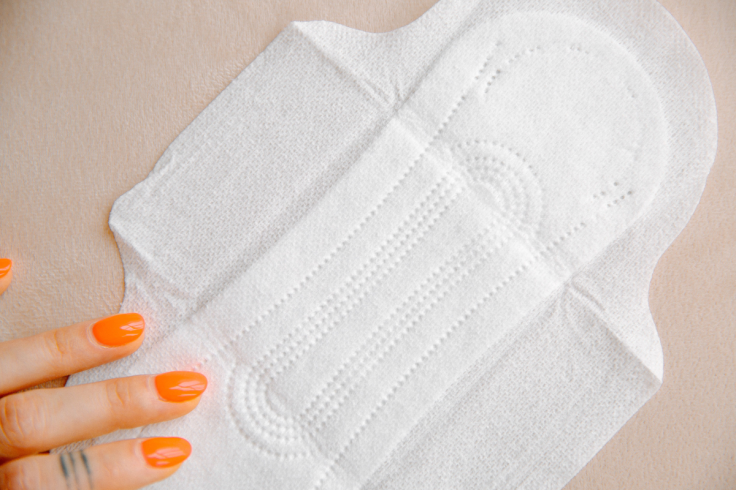
A major feminine hygiene brand has been accused of exposing hundreds of women to PFOA, a chemical associated with certain health risks.
Carefree, originally owned by Johnson & Johnson in the US and later part of Edgewell Personal Care's portfolio, is now owned by Essity in North America.
The brand has been accused of selling panty liners containing perfluorooctanoic acid (PFOA), a synthetic substance belonging to the wider class of per- and polyfluoroalkyl substances, commonly known as 'forever chemicals'.
A New York Post exclusive report details that a product liability lawsuit filed in Los Angeles County Superior Court claims that long-term contact with the products led to devastating health conditions, including cancer, organ damage, and fertility complications.
Serious Health Allegations Detailed in Legal Filing
According to the lawsuit, women wore Carefree panty liners daily, keeping them pressed against sensitive intimate skin for hours at a time.
The plaintiffs argue that prolonged contact between the liners and intimate skin exposed users to PFOA. Although research has found that PFOA can penetrate human skin under certain conditions, the extent of any absorption from these products and its potential health consequences have not been established by the allegations alone.
Many plaintiffs wore the liners for 10 or more hours a day, leading to hundreds or even thousands of exposures over years of routine use.
The suit claims these exposures caused severe health problems, including breast, ovarian, and kidney cancers, thyroid disease, chronic infections, high cholesterol, and immune disorders.
Other women reported fertility issues or infertility, alongside lasting anxiety and emotional distress over their diagnoses and future health risks.
Allegations of Concealment and Regulatory Violations
The lawsuit claims manufacturers concealed the presence of PFOA, noting the chemical appeared on no ingredient list, packaging, or consumer advertisement.
Court papers allege the companies possessed the ability to run inexpensive screening tests and manufacture chemical-free alternatives, yet failed to disclose contamination.
The complaint alleges manufacturers received formal notice on 6 February 2024 that PFOA was present in Carefree liners.
The complaint alleges that the products remained on sale in California after 1 January 2025, when a state law prohibiting regulated PFAS in menstrual products took effect. Whether the products violated the law depends on the evidence and the statute's specific requirements.
The suit also names the Los Angeles-based grocery chain Gelson's as a defendant for stocking the liners.
The plaintiffs are seeking punitive damages at trial in an amount sufficient to punish the manufacturers.
Understanding the Risks of PFAS Exposure
The United States Environmental Protection Agency (EPA) explains that PFOA is among the most widely studied compounds within the PFAS family, a group of thousands of synthetic substances manufactured since the 1940s.
These chemicals break down extremely slowly, accumulating over time across human tissue, animals, and the natural environment.
The EPA says research has associated exposure to some PFAS with certain cancers, reduced immune responses, hormonal effects and increased cholesterol. However, the strength of the evidence varies by chemical and health outcome, and the risks depend on factors including the level and duration of exposure.
The lawsuit alleges that daily, long-term use of the liners created a route for PFOA exposure, but the extent of any exposure from these products has not been established. Some PFAS have been used in non-stick cookware, food packaging, cosmetics and stain-resistant materials, although their use varies by compound and product.
Some PFAS have been used in products for their water, oil, and stain-resistant properties. Their persistence in the environment and concerns about potential health effects have prompted increased regulatory scrutiny and litigation.