
Residents Feared Long-Term Health Risks After a Geyser in LA Spewed Benzene and Hydrogen Sulfide From Buried Trash
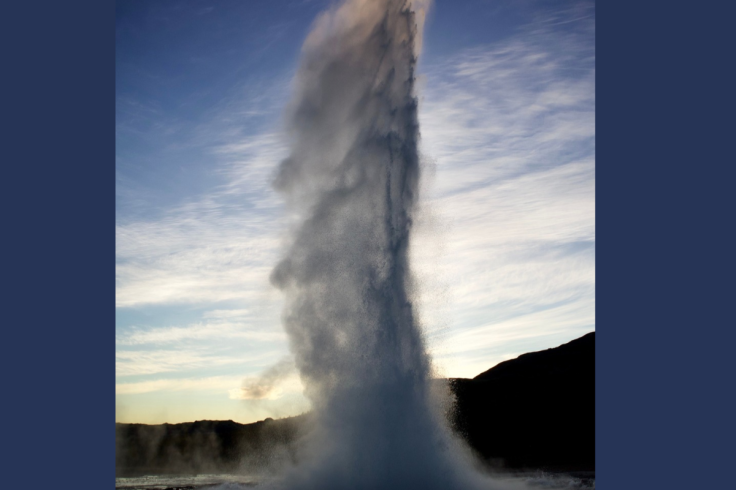
Residents near a Los Angeles County landfill are demanding answers after drilling triggered a pressurised release of landfill gas and particulate material, including decomposing waste, sending a large plume into the air. Officials said monitoring found no hazardous air-quality readings, but warned that strong odours could cause immediate symptoms. The incident has revived concerns about years of pollution fears around the site.
How the Chiquita Canyon Landfill Geyser Erupted
The incident happened on 16 November at Chiquita Canyon Landfill in Castaic, in the Santa Clarita Valley. Crews drilling a new gas well encountered a pressurised pocket about 150 feet underground, according to the Los Angeles County Fire Department. Gas escaped carrying waste, producing a plume that changed from dark to white. Officials said there was no fire.
The operator, Chiquita Canyon LLC, said drilling was intended to address an elevated-temperature event beneath the site. It described the incident as a release of gas and particulate material. The fire department said the leak had been capped by late Monday and the plume had diminished.
Residents in nearby Val Verde and Castaic reported strong smells, headaches, coughing and dizziness. Six people were taken to hospital with minor injuries, according to the Los Angeles County Fire Department. Some residents left their homes, while authorities advised people in nearby areas to prepare for possible evacuation.
No general evacuation order was issued. The South Coast Air Quality Management District received more than 200 complaints.
What the Chiquita Canyon Landfill Release May Have Contained
The plume was associated with landfill gas, which can include methane. The EPA says the landfill's underground reaction can increase concentrations of hydrogen sulphide and volatile organic compounds in landfill gas. Benzene is also among the substances monitored at the site. However, the precise chemical composition of the November 16 release has not been established publicly.
Benzene is a carcinogen; hydrogen sulphide can cause irritation.
Los Angeles County's Department of Public Health said fire department monitoring had found no hazardous air-quality conditions. However, officials warned that strong odours could cause headaches, nausea, dizziness and irritation of the eyes, nose or throat.
Residents were advised to stay indoors when smells were strong, shut windows and doors, and use air conditioning on recirculation.
The department directed the operators to offer temporary relocation. The company offered complimentary hotel accommodation to eligible residents through Sunday, November 22, with checkout scheduled for November 23. It also opened a relief centre for residents of Val Verde and Castaic.
A Long-Running Environmental Dispute
An update on the Chiquita Canyon Landfill incident: https://t.co/Y84eCU0xje
— George Whitesides (@gtwhitesides) November 17, 2026
The release came amid a subsurface reaction affecting Chiquita Canyon since at least May 2022. California's Department of Toxic Substances Control says it has involved elevated underground temperatures, persistent odours and environmental impacts. The landfill stopped accepting waste in January 2025, but efforts to control the reaction continue.
A California State Auditor report published on 29 September 2026 found the county public health response had been incomplete. It said the department could not demonstrate that it had consistently reviewed air-quality data or proactively communicated findings to nearby communities. The report does not establish that the latest release caused long-term illness.
On 27 October, California Attorney General Rob Bonta and the state toxic substances department filed a lawsuit against the landfill's owners and operators, alleging failures to manage hazardous waste and the underground reaction lawfully. The claims are allegations, not findings of liability.