
David Walliams Faces Explosive Sexual Misconduct Allegations Involving Teenagers: What Former Fans Say
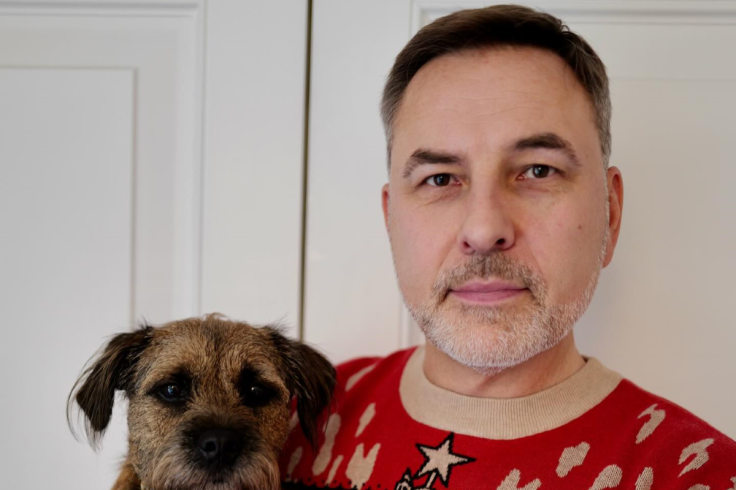
Two women say they were 15 when they first met David Walliams. Both allege that he groomed them and say the experiences affected them for nearly two decades. Their accounts feature in an investigation into the comedian and children's author, who denies wrongdoing.
The allegations, published by The Guardian and ITV News on 10 November after a lengthy legal battle, span more than two decades and include claims of grooming, sexual misconduct and inappropriate workplace behaviour. The outlets said they spoke to 30 sources and reviewed messages, emails and contemporaneous notes.
Walliams, 55, rose to fame through the BBC sketch show Little Britain before becoming a Britain's Got Talent judge in 2012 and a bestselling children's author.
What Are the Allegations Against David Walliams?
Several women allege that Walliams used his fame to pursue them when they were teenagers or young adults. Two said they first met him at 15 and felt they had been groomed.
One woman said Walliams began contacting her when she was 15 and later invited her to his London flat, where she alleged he sexually assaulted her. Another woman said she met Walliams when she was 15 and he was 34. They later had sex when she was 17. Although she described the encounters as consensual, she said she felt he had abused his position of power. His lawyers said he believed she was 18.
The investigation also detailed allegations of inappropriate behaviour towards junior female employees at Britain's Got Talent and HarperCollins. These included inappropriate messages to junior staff and a sexual relationship with a HarperCollins employee who was reportedly an intern when it began. His lawyers deny sexual harassment and workplace misconduct.
The claims have not been tested in a criminal trial. No charges have been brought against Walliams. The Metropolitan Police said it had contacted the news organisations so potential victims could be told how to report alleged offences.
Why Did Walliams Try to Stop Publication?
Walliams sought a permanent injunction to prevent The Guardian and ITV News from publishing the investigation. At a High Court hearing, his lawyers said Walliams had attempted suicide twice after the allegations were put to him and that publication could prompt another attempt. He had also received inpatient psychiatric treatment and was detained under the Mental Health Act.
The judge acknowledged that publication presented a genuine and grave risk to Walliams' life but ruled that the evidence did not establish that suicide was inevitable or justify a permanent injunction. He also found that an injunction would represent an exceptionally serious interference with freedom of expression.
In a letter to the journalists, Walliams denied being a sexual predator, said he had not broken the law and rejected allegations that he had groomed women or abused his position of power. He acknowledged behaving thoughtlessly in some casual relationships and regretted that women he had met years earlier felt hurt or angry. He said abusing the power that comes with fame was something he had never done.
What Happens Next?
The allegations have prompted professional consequences. HarperCollins has decided not to publish any new titles by Walliams following an internal investigation into allegations of inappropriate behaviour towards junior female employees. His literary agency, Independent Talent Group, has ended its representation of him. The BBC has also begun removing some programmes featuring or written by him while reviewing its wider catalogue of content involving the comedian.
The case raises questions about safeguarding, workplace power imbalances and how entertainment organisations respond to complaints involving young fans and junior staff.
For the women who have spoken publicly, the investigation has brought long-held experiences into the open. But the allegations remain allegations, and the distinction between a court's decision to allow publication and a finding of guilt is crucial.