
High-Dose Flu Vaccine Linked To Lower Alzheimer's Risk as Doctor Admits He Didn't Know It Existed
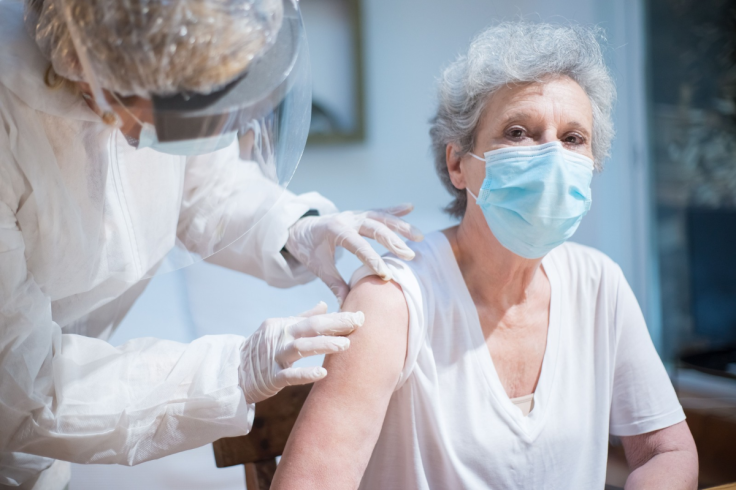
Older adults given a high-dose flu vaccine had up to a 22 per cent lower risk of Alzheimer's disease than those given a standard shot, a US study found. The researchers stressed that the association does not prove the vaccine was responsible, but the findings raise questions about whether the dose could matter for brain health.
Led by the University of Texas Health Science Center at Houston (UTHealth Houston), the research analysed health records for nearly 165,000 people aged 65 and over. It was published in Neurology in April, although the article supplied for this edit does not specify the year.
Neurologist Paul Schulz, the study's senior author, said he did not know a higher-dose vaccine was available until a public health department asked him about the differences between doses. 'I was stunned that, as a physician, I didn't know a higher dose was offered,' he said.
What the High-Dose Flu Vaccine Study Found
The association between high-dose flu vaccination and lower Alzheimer's risk was observed for about two years after vaccination. It lasted slightly longer among people who received repeated annual high-dose shots. The association was stronger among women than men, although the study did not establish why.
Earlier research by some of the same team found that older adults who received any flu vaccine had roughly a 40 per cent lower risk of Alzheimer's than those who were unvaccinated.
UTHealth Houston said the findings, considered together, indicated a nearly 55 per cent lower risk among people who received a high-dose vaccine compared with those who received no flu vaccine. The results show an association and do not establish that vaccination prevents Alzheimer's.
Researchers analysed health records rather than assigning participants to different vaccines. The study therefore cannot determine whether the vaccine caused the difference in risk.
Since 2022, the US Centers for Disease Control and Prevention has recommended that people aged 65 and over receive a high-dose, adjuvanted or recombinant flu vaccine.
The high-dose vaccine contains four times as much influenza antigen as a standard dose and is designed to prompt a stronger immune response. The study compared high-dose and standard-dose vaccines.
Why the Alzheimer's Risk Link Remains Uncertain
Erin Abner, an epidemiologist not involved in the study, told Neurology Today that the findings support current vaccine recommendations for older adults. She said the association could be a 'spurious association' if people receiving the higher-dose vaccine differed in health from those given a standard dose.
In an additional analysis, researchers excluded participants who had received any flu vaccine in the two years before the study vaccination. The association between vaccination and Alzheimer's risk largely disappeared.
The researchers noted that Alzheimer's can develop for years before symptoms appear. Some participants diagnosed during the study may therefore have had the disease when they were vaccinated. They suggested vaccination might delay symptoms, possibly by reducing inflammation, rather than prevent the disease.
When researchers excluded people diagnosed within a month of vaccination, the association became statistically significant only from eight months after the shot. Across the full group, it was no longer statistically significant after about two years.
Further research is needed to determine whether flu vaccination affects Alzheimer's risk and whether the dose makes a difference.