
His Heart Kept Failing for 11 Years, but Doctors Didn't Know He Was Taking Cattle Steroids
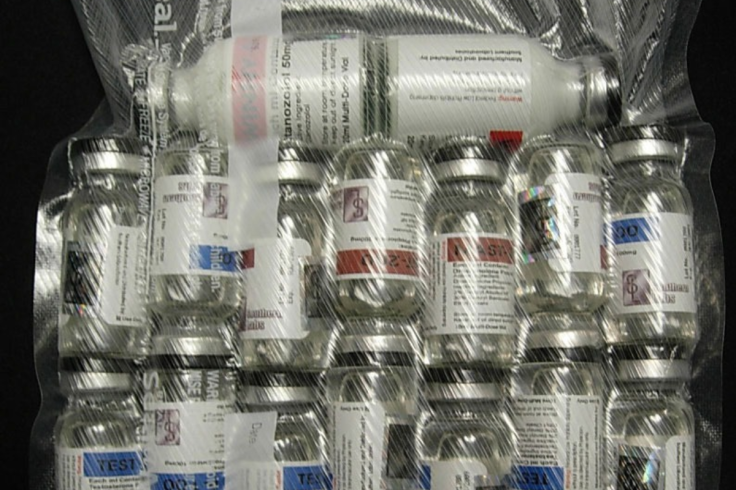
A Massachusetts man's heart failed again and again over 11 years, yet not one of his doctors knew he was taking a steroid approved only for animals. He landed in hospital repeatedly, needed life support and endured a barrage of tests.
The drug was trenbolone, an anabolic steroid used in veterinary medicine and not approved for human therapeutic use, and he took it with other illicit anabolic-androgenic steroids (AAS). He never revealed it, leaving his doctors to piece the cause together on their own.
In a case report in the New England Journal of Medicine, they warn that clinicians should expect more patients with long-term AAS effects, such as cardiomyopathy. The report estimates 2.9 million to 4 million people in the US use AAS.
A Heart in Crisis at 39
The trouble began when he was 39. After a trip to the Caribbean, he went to Massachusetts General Hospital with fever, chills and trouble breathing. Tests showed injuries to his kidneys, liver and heart.
His left heart chamber pumped out 21 per cent of its blood, against a normal level above 50 per cent. Within hours he was on ECMO, a machine that does the work of the heart and lungs.
His heart function returned to normal after he came off the machine a few days later. Doctors suspected a rare post-infection heart inflammation and prescribed antibiotics.
Two years later, pain in his abdomen and legs sent him to another hospital. Doctors found signs of kidney cell death, narrowed kidney arteries and blood vessel inflammation, but could not pinpoint the cause.
Years of Clues Pointing Elsewhere
Over the next five years, he saw specialists in cardiology, rheumatology, sleep medicine and psychiatry. At about 46, fatigue led to a finding of low testosterone, and an endocrinologist recommended treatment for obstructive sleep apnoea.
A year later, a blood specialist found abnormally high red blood cell levels, known as erythrocytosis, and blood pressure of 150/108 mm Hg. The finding was blamed on sleep apnoea and narrowed kidney arteries.
Steroid Use Finally Revealed
At 50, he returned to Massachusetts General Hospital with heart failure again, after another Caribbean trip. His heart raced at 134 beats per minute, and his left chamber pumped out 20 per cent of its blood.
Doctors described the self-declared workout fanatic as muscular and tanned. They noted enlarged breast tissue, insulin resistance, low HDL cholesterol and fatty liver disease, many of which AAS could explain.
When doctors raised the subject, he confessed to intermittently taking high doses of trenbolone to build muscle, with the last dose before his trip. His total testosterone was above 1,500 ng/dl, the test's upper limit.
The final diagnosis was androgen excess-related cardiomyopathy. Research has found that anabolic steroid use frequently goes undisclosed to doctors. A 2004 study found that 56 per cent of the 36 steroid users surveyed had never disclosed their use to a physician.
Recovery Is Slow and Uneven
Stopping AAS is the main treatment for the heart, and he was given drugs for high blood pressure, heart failure and diabetes. Four months later, his left chamber pumped out 49 per cent of its blood.
Recovery from AAS-induced hypogonadism, a drop in natural hormone production, was harder. Doctors call such recovery lengthy and varied. It was made tougher because he was over 35, had used AAS for more than a decade and had pre-existing dysfunction.
Six months in, he still had symptoms. Clomiphene did not work, and topical testosterone replacement did not ease his erectile dysfunction, with doctors warning that recovery could take up to three years.
At eight months, he remained off AAS with no symptoms of heart failure. Long-term anabolic steroid misuse can cause severe, long-lasting and sometimes irreversible damage, including early heart attacks, strokes, liver tumours and kidney failure.