
Jono Lancaster Was Abandoned at Birth Because of His Face, Now Faces 50% Risk of Passing on the Same Condition to His Children
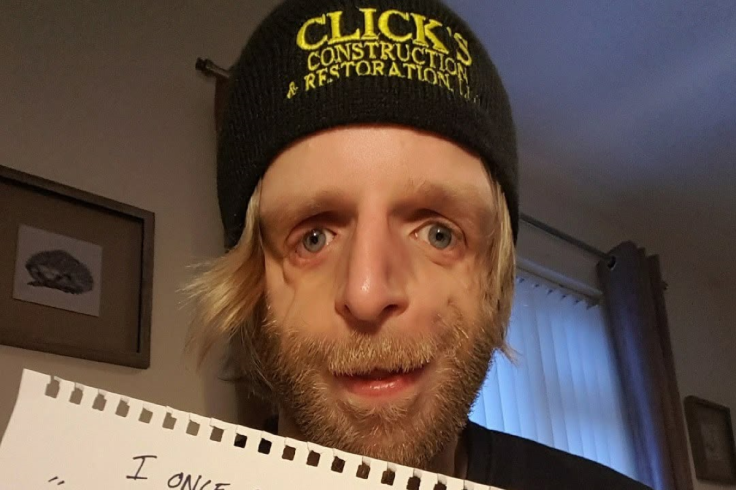
Imagine discovering that your parents abandoned you before you were even two days old because they could not accept your appearance. Then, decades later, facing the possibility that your own children could inherit the condition that prompted their rejection.
That was the deeply personal dilemma confronting Jono Lancaster, a British disability campaigner born with Treacher Collins syndrome. His story highlights the emotional consequences of living with a visible facial difference and the difficult reproductive decisions that can accompany inherited genetic conditions.
Lancaster grew up in West Yorkshire after being taken in by Jean, a social worker who fostered children with disabilities. She spent five years securing his adoption, providing the affection and stability he had been denied at birth.
However, he did not discover why his biological parents had given him up until he was 24. When he finally read his adoption records, he learned that both parents had reportedly been horrified by his appearance and felt no emotional connection with him. His birth mother had reportedly discharged herself from hospital and left him behind when he was just 36 hours old.
Lancaster later attempted to contact his biological parents through a letter, but they declined to meet him.
What Is Treacher Collins Syndrome?
Treacher Collins syndrome is a rare genetic condition affecting the development of facial bones and tissues. It is estimated to affect approximately one in 50,000 people and can cause underdeveloped cheekbones, a small lower jaw, downward-slanting eyes and abnormalities of the ears. Some affected individuals also experience hearing loss and breathing difficulties.
The condition is most commonly associated with changes in the TCOF1 gene, which provides instructions for producing a protein called treacle. Variants in the POLR1C and POLR1D genes can also cause the condition, although they account for a smaller proportion of cases. This protein helps cells produce ribosomal RNA, an essential component of the machinery responsible for making proteins.
During early development, genetic changes affecting ribosomal RNA production can impair the survival of neural crest cells, which contribute to the formation of facial structures. Researchers believe this disruption helps explain the underdevelopment of the cheekbones, jaw and other facial features associated with the condition.
Although the physical differences can be significant, intelligence is usually unaffected. Hearing difficulties are common, affecting approximately half of people with the condition.
The Genetic Risk That Complicated His Plans for Fatherhood
In the 2011 BBC documentary So What If My Baby Is Born Like Me?, Lancaster and his then-girlfriend Laura explored the possibility of having children and the reproductive options available to them.
Treacher Collins syndrome can follow either an autosomal dominant or, less commonly, an autosomal recessive inheritance pattern. In the more common autosomal dominant form, an affected person has a 50% chance of passing the disease-causing genetic variant to each biological child.
Each pregnancy carries a separate one-in-two chance of inheriting the variant. However, the severity of the resulting facial differences cannot be reliably predicted, even among members of the same family.
Genetic counselling introduced the couple to reproductive options, including preimplantation genetic testing (PGT). This involves testing embryos created through in vitro fertilisation (IVF) for a specific disease-causing genetic variant identified in the family before an embryo is selected for transfer.
Approximately 55–61% of autosomal dominant Treacher Collins cases result from new genetic changes (de novo variants) rather than inheritance from an affected parent.
Turning Childhood Rejection Into a Mission
Lancaster's experiences eventually inspired him to help others living with visible facial differences.
Following a school visit, he recalled how children approached him with questions about his appearance and hearing aid. Their curiosity and openness helped him recognise the importance of giving young people someone they could identify with.
He subsequently established the Love Me Love My Face Foundation with three friends. The organisation supports individuals and families affected by Treacher Collins syndrome and other craniofacial conditions.
In 2025, he also presented Channel 4's Love My Face, a series in which he supported people with visible facial differences as they considered medical treatments, surgery and ways to build confidence in their appearance.
His efforts have also included travelling to Australia in 2014 to meet Zackary, a two-year-old boy with the same condition. For Lancaster, giving a young child the opportunity to meet someone who shared his appearance meant providing the kind of reassurance he had missed growing up.
His story ultimately raises a question that extends beyond genetics: how can society help children with visible differences grow up feeling accepted rather than defined by their appearance?
Frequently Asked Questions
- What is Treacher Collins syndrome?Treacher Collins syndrome is a rare genetic condition affecting the development of facial bones and tissues, often resulting in underdeveloped cheekbones, a small lower jaw, and other facial abnormalities.
- How is Treacher Collins syndrome inherited?Treacher Collins syndrome can follow an autosomal dominant inheritance pattern, meaning there is a 50% chance of passing the condition to each biological child if one parent is affected.
- What options are available for parents with Treacher Collins syndrome considering having children?Genetic counselling and reproductive options such as preimplantation genetic testing (PGT) are available to help parents understand and manage the risk of passing on Treacher Collins syndrome.
- What is the Love Me Love My Face Foundation?The Love Me Love My Face Foundation is an organisation founded by Jono Lancaster to support individuals and families affected by Treacher Collins syndrome and other craniofacial conditions.