
Man Goes to Hospital for Abdominal Pain, Doctors Find Bone He Swallowed 15 Years Ago
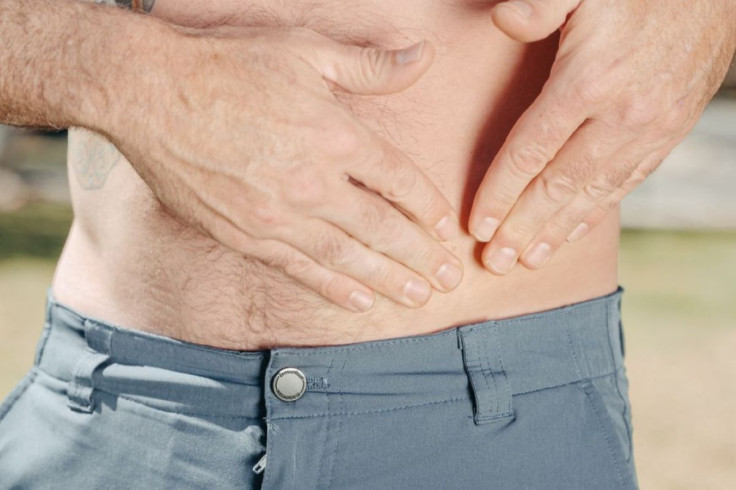
A 45-year-old man in Italy underwent surgery after doctors discovered a bone lodged in his appendix approximately 15 years after he accidentally swallowed it. The bone had become surrounded by hardened faecal matter that had enlarged his appendix, although the organ showed no signs of inflammation.
Surgeons successfully removed the appendix through a minimally invasive procedure. The patient was discharged from hospital two days later without complications.
Man Experiences Persistent Abdominal Pain
The man initially visited an emergency department complaining of pain in the lower-right side of his abdomen. Doctors suspected appendicitis, a condition involving inflammation of the appendix. However, blood tests returned normal results. He had no fever, and an ultrasound examination revealed no abnormalities.
Eight months later, the man underwent another medical assessment after continuing to experience occasional abdominal discomfort. During questioning, he recalled accidentally swallowing a piece of marrowbone while eating a traditional northern Italian dish containing rice, saffron and bone marrow approximately 15 years earlier.
The medical report did not establish whether he had sought treatment immediately after swallowing it.
Doctors Discover Bone Lodged Inside Appendix
An abdominal X-ray revealed a rounded object in the man's lower-right abdomen. A subsequent CT scan identified bone tissue measuring approximately 2.5 by 3 centimetres near the appendix. Imaging also showed that the appendix had expanded to 12 millimetres in diameter.
Surgeons examined the abdomen using laparoscopy, a procedure involving a small camera inserted through an abdominal incision. They discovered that the swallowed bone was trapped inside the enlarged appendix and surrounded by a hardened collection of faecal matter known as a faecaloma. The surgical team removed the appendix through a minimally invasive operation.
Patient Shows No Signs of Appendicitis
Examination of the removed appendix revealed thickening of its muscular wall caused by prolonged pressure from the trapped bone. However, laboratory analysis found no evidence of inflammation.
The researchers suggested that pressure and movement of the hardened mass, rather than infection, probably explained the man's occasional abdominal pain. The case was documented by surgeons from the University of Bologna and published in the World Journal of Gastrointestinal Surgery in 2013.
The researchers considered the prolonged presence of such a large bone without significant inflammation particularly unusual. They also suggested that the surrounding faecal material might have helped prevent an inflammatory response, although the exact mechanism remained unclear.
Swallowed Objects Can Cause Serious Complications
A 2023 systematic review of 64 adult case reports involving foreign objects in the appendix found that 42% of patients experienced typical appendicitis pain, while 17% had no symptoms. Approximately one in six patients had a perforated appendix. Objects identified in the review included fish bones, toothpicks and dental materials.
According to the National Health Service (NHS), appendicitis commonly causes worsening abdominal pain and can lead to serious complications if the appendix ruptures. Diagnosis may involve blood tests, ultrasound examinations and CT scans.
Although swallowed objects usually pass through the digestive system naturally, the Italian case demonstrates that some can remain trapped for years without causing conventional appendicitis.
How Is Appendicitis Treated?
Appendicitis is usually treated through an operation called an appendicectomy, in which surgeons remove the appendix. The NHS says the procedure is typically performed using keyhole surgery, although open surgery may be necessary in more complicated cases.
Most patients recover within one to two weeks, depending on their condition and the type of operation performed.
Antibiotics can also treat selected cases of uncomplicated appendicitis without surgery. Updated World Society of Emergency Surgery guidelines, published in JAMA Surgery in January 2026, support this approach for certain patients, although surgery remains the standard treatment.