
World's Dirtiest Man' Feared Taking a Bath Would Kill Him as His Story Raises Questions About Phobias
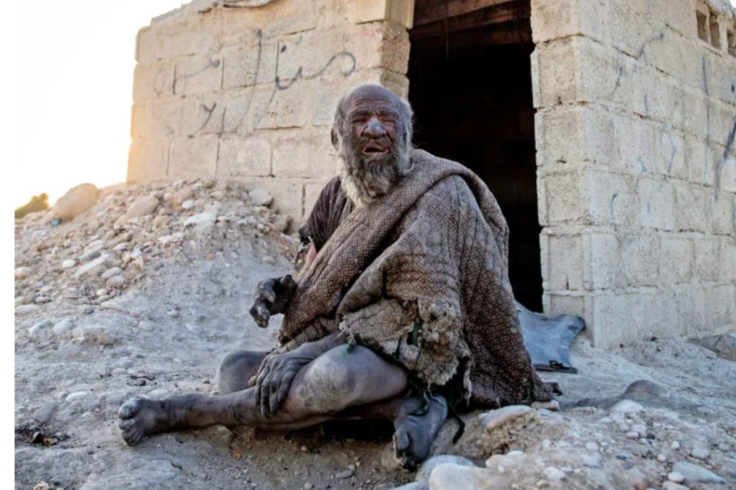
Amou Haji, an Iranian man dubbed the 'world's dirtiest man', reportedly spent more than 60 years avoiding baths because he believed washing could make him ill.
Haji died aged 94 in October 2022, months after villagers persuaded him to bathe for the first time in decades. His unusual lifestyle and fear of water have since drawn attention to the ways intense fears can shape a person's behaviour.
However, there is no public evidence that Haji was diagnosed with a phobia, and reports of his death do not establish that bathing caused his illness or death.
Amou Haji Avoided Washing for More Than 60 Years
Haji lived in the village of Dezhgah in Iran's southern Fars province. According to reports at the time of his death, he had avoided bathing for more than half a century because he feared becoming sick.
Villagers reportedly linked his behaviour to emotional setbacks he experienced during his youth. He lived in relative isolation, eventually staying in a shelter built by local residents.
His habits extended beyond avoiding water. Reports said he preferred eating dead animals, including porcupines, and smoked a pipe filled with animal excrement.
In 2022, villagers eventually persuaded him to wash in a bathroom. Iranian state media reported that he fell ill afterwards and died on 23 October, aged 94.
The sequence of events does not establish a medical connection between the bath and his death. No publicly confirmed cause of death has demonstrated that washing contributed to it.
When Does Fear Become a Phobia?
A phobia is more than an ordinary dislike or discomfort. The US National Institute of Mental Health describes it as an intense fear of, or aversion to, a particular object or situation that is disproportionate to the actual danger.
People with phobias may experience severe anxiety when confronted with the feared situation and take steps to avoid it. Symptoms can include trembling, dizziness, nausea, palpitations and an overwhelming fear of losing control or dying.
The NHS explains that phobias can develop following frightening experiences or stressful events, although their causes are not always clear.
Haji's reported fear of becoming ill after washing may invite questions about a specific phobia, but his behaviour alone is not enough to establish a diagnosis. His personal history and the reasons behind his decisions were not fully documented in the available reports.
Avoidance Can Reinforce Anxiety
Avoiding a feared situation can provide temporary relief, but it may also make the fear harder to confront over time.
For someone with a phobia, repeatedly avoiding the trigger can prevent them from learning that the situation may not be as dangerous as they expect. This can gradually affect everyday activities, relationships and quality of life.
The impact depends on the nature of the fear and how much it interferes with daily functioning. Not every unusual habit or strong personal belief is a sign of a mental health disorder.
Phobias Can Be Treated
Phobias can be managed with professional support. The NHS identifies cognitive behavioural therapy (CBT) as one treatment option, helping people recognise and change unhelpful patterns of thinking and behaviour.
Treatment may also involve gradual exposure to the feared situation in a controlled and supportive setting. This approach allows a person to face their fear at a manageable pace rather than being forced into a distressing experience.
Haji's story remains an unusual account of a man whose fear reportedly shaped much of his life. While it cannot establish that he had a phobia, it highlights how powerful fear can become when it influences the decisions a person makes every day.