
Jenny McCarthy Admits She's 'Toxic-Phobic' But Refuses to Give Up Her Breast Implants
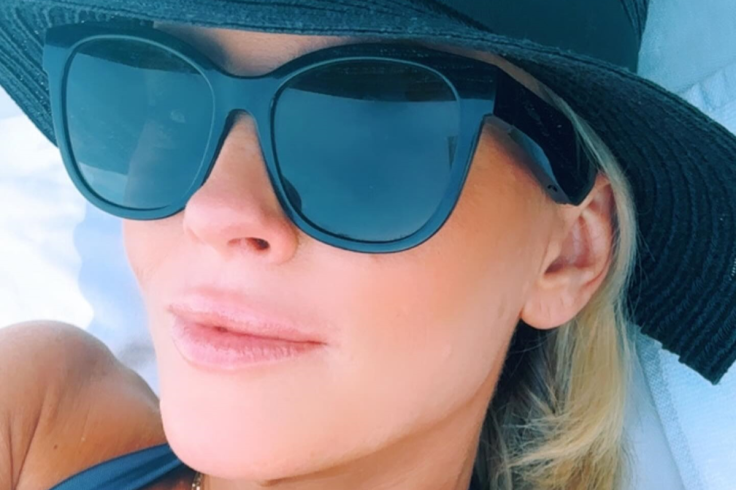
Jenny McCarthy has admitted that her decision to keep her breast implants appears contradictory given her concerns about toxins, but she is not ready to give them up.
The actress and television personality addressed the subject during an episode of The Jenny McCarthy Wahlberg Show, speaking with plastic surgeon Dr Terry Dubrow about her implants and their history together.
'I'm toxic-phobic,' McCarthy said, acknowledging that people often question why she still has implants despite her concerns about potential toxins.
She admitted that she might consider removing them later in life but explained that she still enjoys their appearance, particularly when wearing dresses.
'But I am not ready for zucchini titties,' she added, making clear that she does not currently intend to go without them.
Her comments come after she recently described a prolonged health struggle involving multiple medical procedures and said she had been diagnosed with mould and mycotoxin poisoning.
Jenny McCarthy's Long History With Breast Implants
McCarthy has undergone several breast procedures over the years, including breast reductions performed by Dubrow.
During their conversation, she recalled receiving her first breast implants when she was around 19 or 20. She said she travelled to Arizona after hearing about an inexpensive cosmetic surgery offer but woke up during the procedure and discovered that the surgeon had given her larger implants than she requested.
According to McCarthy, the surgeon explained that he had increased their size to prevent her from wanting another operation later.
She said many other women shared similar experiences, prompting them to seek reductions afterwards.
McCarthy has since had further procedures and now has Motiva silicone breast implants. The US Food and Drug Administration (FDA) approved Motiva SmoothSilk Round and SmoothSilk Round Ergonomix silicone gel-filled breast implants in September 2024 for breast augmentation in women aged 22 and older. The approval included post-approval studies to monitor their long-term safety.
Her Recent Health Struggles Have Raised Questions
McCarthy's comments about her implants follow her account of a two-year health ordeal involving persistent dental problems, infections, eyelid growths, rashes, swelling, insomnia and other symptoms.
She has attributed the problems to mould exposure and said she was diagnosed with mould and mycotoxin poisoning in December 2025. She previously described spending time in a tent because she became fearful of exposure to mould in buildings.
During the podcast discussion, Dubrow said he did not believe her breast implants were responsible for her reported mould-related illness. He also recalled that her previous implants showed no signs of mould when he removed them.
What Are the Health Risks of Breast Implants?
Although breast implants can provide the appearance some patients want, they are not considered lifetime devices and may require additional operations.
The FDA identifies several potential complications, including breast pain, changes in sensation, implant rupture, infection, and capsular contracture, which occurs when scar tissue surrounding an implant tightens and hardens.
A rare but recognised type of non-Hodgkin lymphoma, breast implant-associated anaplastic large cell lymphoma (BIA-ALCL), has also been linked to breast implants, particularly those with textured surfaces. It typically develops in the fluid or scar tissue surrounding an implant. The FDA has additionally received reports of other cancers involving the scar tissue around implants, although their frequency and risk factors remain unclear.
Some patients also report fatigue, joint pain, rashes and cognitive difficulties, sometimes grouped under the term 'breast implant illness'. However, researchers have not established a clear cause or fully understood the relationship between implants and these symptoms.
The FDA advises patients to understand the potential risks before surgery and continue appropriate monitoring afterwards. Anyone experiencing persistent swelling, pain or unusual changes around an implant should seek medical assessment.
For McCarthy, the decision remains personal: despite her concerns about toxins and her recent health difficulties, she is not ready to part with the implants.