
14-Year-Old Boy's Cancer Came Back Weeks After He Was Declared Cancer-Free, So He Mentally 'Switched Off'
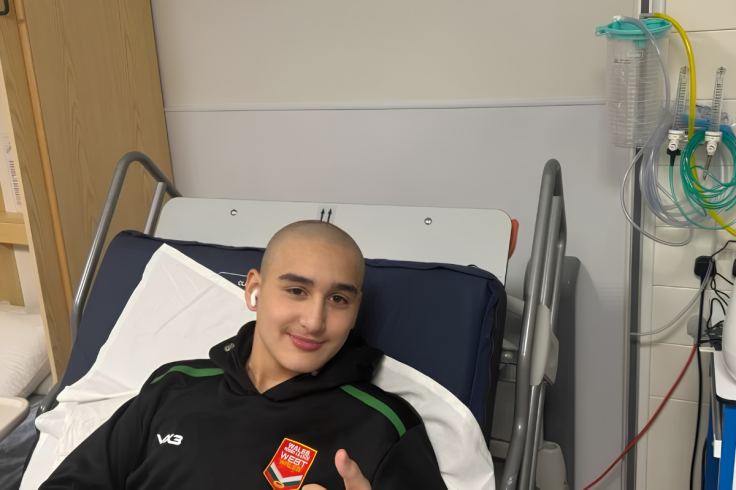
A 14-year-old boy who faced an aggressive return of cancer has described how mentally distancing himself from his illness helped him cope with months of uncertainty and intensive treatment.
Ethan Griffiths, from Maesteg, Wales, was diagnosed with Burkitt lymphoma in January. After undergoing chemotherapy, he was declared cancer-free in May, but the disease returned aggressively just weeks after he went home and began rebuilding his routine.
Ethan eventually received treatment through a clinical trial at Bristol Royal Hospital for Children and returned home cancer-free in September, according to the BBC. His experience highlights the emotional strain that can accompany cancer recurrence, particularly when young patients must confront the possibility of another prolonged period of treatment.
His father, Lloyd Griffiths, who had also survived lymphoma, encouraged him to focus on what he could control rather than become consumed by the uncertainty of his illness.
Ethan said he would put on his earphones, listen to music and try to sleep while his father struggled with the situation. Although this approach appeared to help him remain calm, Ethan acknowledged that undergoing treatment for a second time was mentally harder.
Why Cancer Recurrence Can Be So Difficult To Process
A cancer diagnosis can disrupt nearly every part of a young person's life, from school and friendships to sports and plans for the future. Receiving news that the disease has returned can intensify those disruptions, particularly after a period of believing treatment has worked.
The American Cancer Society notes that cancer recurrence can bring back emotions experienced during the original diagnosis, sometimes with greater intensity. Patients may feel frightened, frustrated or less hopeful about the future.
For Ethan, the news came after he had begun returning to ordinary activities, including attending school for half a day and going to the gym. He described the relapse as particularly heartbreaking because he had started to feel that life was returning to normal.
Young patients may also struggle with uncertainty about treatment outcomes, time away from friends and the prospect of further hospital stays. These concerns can coexist with hope, determination and positive moments throughout treatment.
Does Emotional Detachment Help People Cope With Cancer?
Ethan said he tried to switch off from thoughts about his illness, following his father's advice to focus on what he could control. Listening to music and sleeping helped him manage moments when the situation felt overwhelming.
However, emotional detachment can mean different things in different contexts. Choosing to focus on everyday activities or temporarily set aside frightening thoughts may be a coping strategy. Clinical dissociation, by contrast, involves a disruption in the usual integration of thoughts, memories, identity or perception.
Ethan's account alone does not establish that he experienced a dissociative disorder. His description should not be treated as a diagnosis or as evidence that emotional detachment is the best approach for every cancer patient.
The National Cancer Institute explains that young people with cancer can experience a range of emotional responses, including fear, sadness, anger and loneliness. Support from family, friends and healthcare professionals can help patients navigate these feelings, while counselling may provide additional coping strategies.
How Intensive Cancer Treatment Can Affect Young Patients
Burkitt lymphoma is a fast-growing type of non-Hodgkin lymphoma that requires prompt treatment. Ethan initially underwent chemotherapy, but his aggressive relapse led him to join a clinical trial involving two new drugs for patients whose B-cell non-Hodgkin lymphoma had returned or had not responded adequately to treatment.
His treatment included intensive chemotherapy followed by a stem cell transplant using cells collected earlier in the process. He spent several weeks in protective isolation at the hospital.
Although Ethan said he found the isolation manageable, he described it as boring. The experience also meant spending time away from school, friends and rugby, activities that had been central to his life before the diagnosis.
The physical effects of intensive treatment can continue after a patient leaves hospital. Ethan said he still became very tired while walking and knew it would take time to return to rugby.
His experience illustrates why recovery involves more than completing treatment. Young patients may need time to rebuild their strength, resume education and reconnect with the activities and relationships that give their lives a sense of normality.
Why Psychological Support Matters During Cancer Recovery
The emotional impact of cancer can continue even when treatment appears successful. The National Cancer Institute notes that some young patients experience ongoing anxiety, depression or other psychological difficulties during treatment and survivorship.
Healthcare teams can help by checking in on a patient's emotional well-being alongside monitoring physical symptoms. Depending on the individual's needs, support may include counselling, psychological care, peer support groups or practical help with returning to school and social activities.
Families also play an important role, although parents and children may cope differently. Ethan's father openly acknowledged how difficult it was to manage the uncertainty, even as his son appeared to remain calm.
Recognising those differences can help families avoid assuming that a quiet or stoic response means a young person is unaffected by what is happening.
Ethan is now rebuilding his fitness and gradually returning to education, initially through online lessons before considering half days in the classroom. His experience highlights the importance of supporting young cancer patients through both the physical and emotional challenges of recovery.