
'Mad Honey' Can Make Your Heart Slow Down: Why This Viral Food Is Dangerous
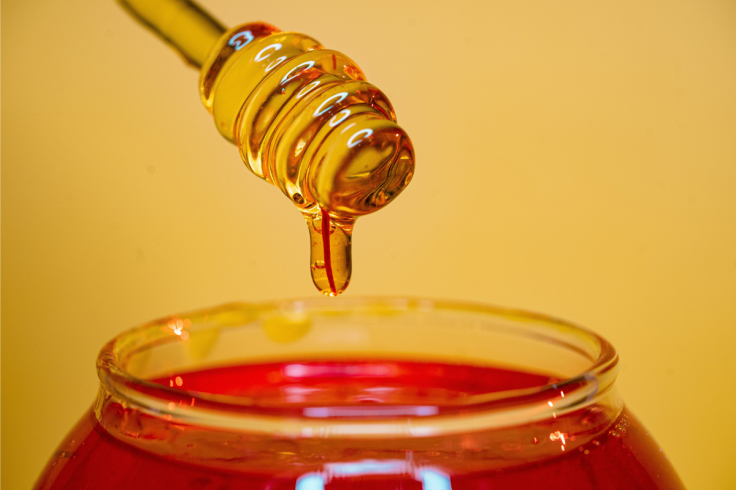
A type of honey gaining attention online for its unusual effects can do far more than make people feel light-headed. Known as 'mad honey', the product can contain grayanotoxins, naturally occurring compounds that interfere with the electrical activity of the heart and, in severe cases, cause dangerously slow heart rates and falling blood pressure.
The honey is traditionally produced in parts of the Himalayas and other regions where bees collect nectar from rhododendron plants containing grayanotoxin. While it has long been used in some communities for medicinal and cultural purposes, its growing availability through international online sellers is raising concerns about consumers who may be unfamiliar with its unpredictable toxin concentrations.
What Is 'Mad Honey'?
Unlike ordinary honey, 'mad honey' contains grayanotoxins derived from plants in the rhododendron family. In Nepal, Himalayan cliff bees (Apis laboriosa) collect nectar from rhododendron flowers and concentrate the compounds in the honey they produce.
The resulting honey has been consumed traditionally in parts of the Himalayas, including by the Gurung people of Nepal, where harvesting wild honey is a longstanding cultural practice. The concentration of grayanotoxin, however, can vary depending on factors including the location, season and particular batch of honey.
That variability is medically important. A quantity that produces little effect in one batch may cause significant poisoning in another, making it difficult for consumers to determine a universally safe amount. The Independent reported that the gap between a traditionally used dose and a toxic dose can be particularly small.
How Can Mad Honey Slow Your Heart?
Grayanotoxins affect voltage-gated sodium channels, proteins involved in generating and transmitting electrical signals in excitable cells, including those in the heart and nervous system. The toxins keep these channels in an activated state, disrupting normal electrical signalling.
This can trigger a cascade of cardiovascular effects. The most characteristic findings are bradycardia, meaning an abnormally slow heart rate, and hypotension, or abnormally low blood pressure. More serious rhythm disturbances, including different degrees of atrioventricular heart block, have also been documented.
The Independent reported that people who develop poisoning may experience dizziness, nausea and weakness within roughly 30 to 60 minutes of ingestion. In a 2026 case report, a 59-year-old man developed a heart rate of 42 beats per minute and blood pressure of 60/40 mmHg approximately 60 to 80 minutes after consuming three to four teaspoons of locally sourced mad honey.
What Happens During Mad Honey Poisoning?
The cardiovascular effects can make a person feel suddenly unwell. Symptoms reported in clinical cases include dizziness, nausea, vomiting, weakness, sweating, impaired consciousness and fainting, alongside bradycardia and hypotension.
In severe cases, the disruption can progress to significant heart rhythm abnormalities, including complete heart block. Rare reports have also described more serious complications such as extreme QT prolongation, which can increase the risk of dangerous arrhythmias.
Importantly, 'mad honey' poisoning is not necessarily obvious from a patient's initial symptoms. A person may simply report feeling dizzy, weak or nauseated. Unless clinicians know about the exposure, the dietary history can be easy to overlook, particularly in countries where the condition is uncommon.
Is 'Mad Honey' Ever Safe To Eat?
The existence of traditional practices around mad honey does not mean its toxin concentration is predictable or that commercially sold products have a reliably safe dose.
The Independent reported that researchers reviewing published cases from 2009 onward identified 68 patients across 27 papers. Most had deliberately consumed the honey, often as a traditional remedy or for perceived sexual or health benefits.
The review also found that poisoning cases tended to increase during rhododendron flowering and honey-harvesting periods, when toxin concentrations can be higher.
Online availability adds another concern. The Independent reported that mad honey is being marketed internationally as a psychoactive or 'superfood' product, with buyers in the US, Europe and Asia potentially consuming it without understanding how little may be required to produce significant cardiovascular effects.
Cases linked to Nepalese honey have already been documented outside Nepal, including in South Korea, France and Qatar.
Treatment for symptomatic poisoning is generally supportive and may include intravenous fluids and atropine, a medication that can help correct significant bradycardia. Patients may require cardiac monitoring, particularly when there is marked hypotension or an abnormal heart rhythm.
Most reported patients recover within a day or two with appropriate supportive treatment, although severe cardiovascular toxicity can be life-threatening.
For anyone who becomes suddenly dizzy, faint, unusually weak or develops a markedly slow heartbeat after consuming an unfamiliar honey product, urgent medical assessment is warranted. Telling clinicians exactly what was consumed can help them recognise possible grayanotoxin poisoning and begin appropriate treatment promptly.