
Synthetic Kratom and Natural Kratom: What To Know About the Products Linked To Ole Miss Deaths
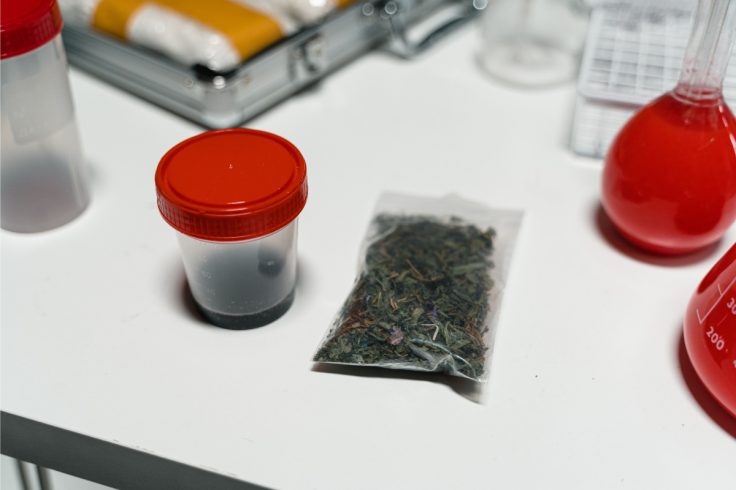
The deaths of two University of Mississippi students have brought renewed scrutiny to products sold as 'kratom', including concentrated and synthetic compounds that can differ substantially from traditional kratom leaf.
Aidan Hamilton, 18, and Robert Strang, 20, were found dead on Sept. 21, with similar packages labelled 'Smax, Pseudo-DHM' reportedly found in their possession, according to court documents cited by Fox News. Toxicology reports for both students have since been completed, but officials said the findings would first be provided to the families. The precise role, if any, that the products played in the deaths has not been established publicly.
The investigation has nevertheless drawn attention to an important distinction: products marketed as 'kratom' can contain compounds that are chemically or pharmacologically different from traditional kratom leaf.
What Is Natural Kratom?
Kratom is derived from the leaves of Mitragyna speciosa, a tropical tree native to Southeast Asia. The plant contains several alkaloids, including mitragynine and small amounts of 7-hydroxymitragynine, commonly known as 7-OH.
Traditional kratom products can contain dried or powdered leaf and may be consumed in forms such as tea. Mitragynine and 7-OH interact with opioid receptors, although kratom is distinct from conventional opioids such as heroin or oxycodone.
The FDA has warned about potential risks associated with kratom products and says kratom has not been approved for any medical use.
The presence of 7-OH in natural kratom is also important. The compound occurs naturally in the plant, but only in trace amounts. That is different from products manufactured to contain concentrated levels of 7-OH.
How Is Synthetic Kratom Different?
'Synthetic kratom' is not simply another name for natural kratom leaf.
The term can describe chemically modified or laboratory-produced compounds intended to produce effects associated with kratom alkaloids. Some newer products contain synthetic derivatives that do not naturally occur in the kratom plant.
The FDA has specifically distinguished natural kratom leaf from concentrated 7-OH products and synthetic kratom-related compounds. In July 2026, the agency said the DEA had begun a temporary scheduling process involving 7-OH above a proposed threshold, as well as three synthetic 7-OH derivatives: mitragynine pseudoindoxyl, MGM-15 and MGM-16.
That distinction matters because a product labelled 'kratom' does not necessarily contain only the compounds naturally present in unprocessed plant material.
Why Is 7-OH Raising Health Concerns?
7-OH occurs naturally in kratom at very low levels, but some commercial products contain concentrated amounts that substantially exceed those naturally found in the plant.
The FDA describes concentrated 7-OH products as potent opioid products that have not been proven safe or effective for any medical use. They can be sold as tablets, gummies, drink mixes and shots through online retailers, smoke shops and gas stations.
The agency has received reports of serious adverse effects associated with 7-OH products, including addiction, anxiety, depression, gastrointestinal distress, insomnia, seizures and withdrawal symptoms.
The FDA has also emphasised that some products marketed as 'enhanced' or 'spiked' kratom can contain substantially higher concentrations of 7-OH than would naturally occur in kratom leaf.
The concern, therefore, is not simply whether a product carries the word 'kratom' on its packaging. The specific compound, concentration and formulation can influence how a product affects the body.
What Products Were Found In The Ole Miss Investigation?
Court documents cited by Fox News identified packages labelled 'Smax, Pseudo-DHM' at the scenes involving Hamilton and Strang. The documents described the tablets as a 'kratom like substance' sold at gas stations and tobacco shops for a 'narcotic like effect'.
Fox News reported that Hamilton had made several purchases at a vape, tobacco and beer store in Oxford during September, including one purchase the day before he was found dead. However, authorities did not establish in the court documents that the products found at the scene had been purchased from that store.
A package of 'Smax, Pseudo-DHM' tablets was also reportedly found on Strang's nightstand. Investigators documented other substances and items at the scene, including nitrous oxide canisters and a Xanax tablet reportedly taken the previous day.
The presence of these products does not, by itself, establish what caused either death. Toxicology testing is necessary to determine which substances were present in the students' bodies and whether any contributed to their deaths.
As of Sept. 30, officials had confirmed that the toxicology reports were complete, with the findings being provided to the Lafayette County coroner and the families.
The case has also prompted debate over whether products such as the Smax tablets should be characterised as traditional kratom. The American Kratom Association has argued that the products under investigation are not natural kratom leaf and has called for greater scrutiny of their contents. That is the organisation's position and does not constitute an independent toxicological finding.
For consumers, the distinction is significant. Natural kratom leaf, concentrated 7-OH products and synthetic kratom-related compounds are not interchangeable, even when they are marketed under similar names.
The FDA currently advises consumers to avoid products containing concentrated 7-OH, citing their potential for serious harm.