
Japanese Streamer Washed His Hair in Floodwater Then Made a Dash for the Hospital After Blood Appeared in His Urine
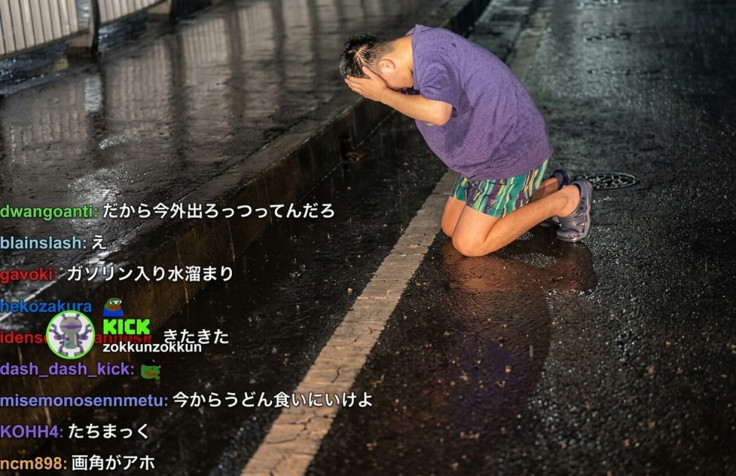
A Japanese streamer says he went to the hospital after using dirty street water to wash his hair during a heavy rainstorm. Some days later, he developed a high fever, trouble passing urine and blood in his urine. Doctors reportedly found large amounts of bacteria in his urine.
How Did the Streamer Get Exposed to Floodwater?
A 52-year-old Japanese content creator, who goes by the name Zokkun online, was livestreaming outside in the rain in Japan's Kanto area. During the five-hour broadcast, he washed his hair with rainwater after the audience suggested it.
When the rain didn't wash away the shampoo properly, he reportedly put his head into water that had gathered by the roadside to clean it off. The water was not clean, flowing water, but water that had collected and remained stagnant, exposed to the environment during the heavy rain.
Three days later, Zokkun reportedly developed a fever of about 38°C, had trouble passing urine and noticed blood in his urine. He went to hospital, where a urine test reportedly showed large amounts of bacteria.
He later said doctors thought his contact with contaminated water during the livestream might have contributed to the infection. He was given medication for around two weeks, and further tests may be done to check his kidneys if his condition does not improve.
Can Floodwater Really Make You Sick?
Yes. Floodwater may contain bacteria, viruses, sewage, animal waste and other harmful substances that can cause illness. The danger might be greater if water touches the mouth, eyes or any open sores or wounds, or if a person is in contact with it for a long time.
The CDC suggests people try to stay away from floodwater whenever they can because getting into it can cause infections and other health problems. If someone comes into contact with water that might be contaminated, they should wash exposed skin with soap and clean water right away.
One bacterial infection that can come from contaminated floodwater is leptospirosis, which is caused by Leptospira bacteria. The bacteria can spread through water or soil that has been contaminated with urine from infected animals, including rats and livestock. Flooding can raise the risk because contaminated water can cover a larger area.
However, there is no official confirmation that Zokkun has leptospirosis. His reported bacterial infection might have a different cause, and the exact source of the bacteria has not been established.
What Is Leptospirosis?
Leptospirosis is a type of infection caused by bacteria called Leptospira. It can spread when someone comes into contact with water or soil that has been contaminated by the urine of infected animals. The bacteria can get inside the body through small wounds or scratches on the skin, or through the eyes, nose and mouth.
Flooding can make people more likely to come into contact with harmful substances because contaminated water can flow through streets, houses and other places. The CDC says that people can also be exposed by wading or swimming in water that might be contaminated.
Symptoms can vary from person to person. Some people might not have any symptoms, while others could develop a fever, headache, body aches, chills, vomiting or diarrhoea. In serious cases, leptospirosis can lead to kidney damage, liver failure, meningitis or breathing difficulties.
For Zokkun, however, these symptoms do not mean he has leptospirosis. His illness has not been officially identified as leptospirosis, so it's better to think of it as one possible infection linked to contaminated floodwater rather than a definite diagnosis.
When Should You See a Doctor After Floodwater Exposure?
If you came into contact with floodwater that might be contaminated, watch out for any symptoms that show up later, like fever, severe headaches, body aches, vomiting, diarrhoea or changes in how you urinate. If you notice blood in your urine or have trouble passing urine, you should take it seriously and see a healthcare professional.
Avoiding floodwater is the best way to lower the chance of getting sick. If your skin comes into contact with something harmful, washing it with soap and clean water can help remove contaminants.
If you start feeling unwell after coming into contact with floodwater, you should see a doctor and let them know you were exposed to floodwater, because this information can help with testing and deciding on the right treatment.
Frequently Asked Questions
- What are the health risks of floodwater exposure?Floodwater can contain harmful bacteria, viruses, and other substances that may cause infections and health issues.
- What should I do if I come into contact with floodwater?Wash the exposed area with soap and clean water immediately and monitor for any symptoms of illness.
- When should I see a doctor after floodwater exposure?Seek medical attention if you experience symptoms such as fever, severe headaches, body aches, vomiting, diarrhoea, or changes in urination.