
Grandmother of 12 Held a Plank for Hours, Showing Why Muscle Loss With Age Deserves More Attention
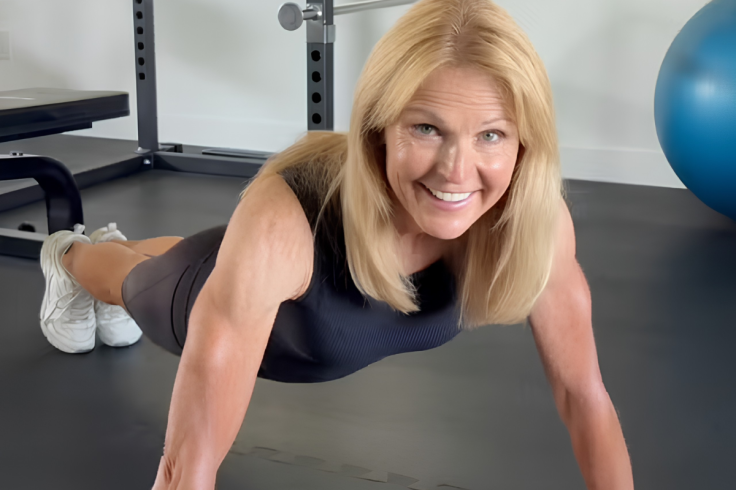
A 61-year-old grandmother of 12 has demonstrated extraordinary muscular endurance by holding a plank for five hours, but her record-breaking feat also highlights a broader health concern as people age: maintaining muscle strength and physical function.
DonnaJean Wilde, a retired teacher from Alberta, Canada, set the female abdominal plank world record at the Huntsman World Senior Games in Utah on 4 October, according to Fox News. She held the position for five hours, beating her previous record of four hours, 30 minutes and 11 seconds, set in 2024.
Wilde began exploring planking after an arm injury limited her exercise options in 2013, according to reports. Her subsequent training included weightlifting, running, push-ups and other exercises, according to reports.
Although holding a plank for hours requires exceptional endurance, the achievement is not a universal measure of health. For older adults, maintaining strength across different muscle groups, preserving balance and remaining able to perform everyday tasks are also important measures of physical function.
Why Muscle Loss Becomes a Concern With Age
Muscle mass and strength can decline with age, a process that may contribute to reduced mobility and difficulty carrying out everyday activities. When muscle loss becomes substantial and is accompanied by low muscle strength or physical performance, it may be associated with sarcopenia, a condition that can increase vulnerability to falls and disability.
The changes do not happen at the same rate for everyone. Physical activity, nutrition, chronic illnesses and other individual factors can influence how much muscle and strength a person maintains.
The concern extends beyond appearance or athletic performance. Muscles help people stand up from chairs, climb stairs, carry shopping and recover their balance when they stumble. Losing strength can make these routine tasks harder and potentially affect independence.
However, ageing does not automatically mean becoming frail. Regular physical activity, particularly exercises that challenge muscles, can help people maintain strength and physical function as they grow older.
Why a Five-Hour Plank Does Not Tell the Whole Story
A plank primarily challenges the muscles that stabilise the trunk, including the abdominal muscles and other muscles involved in maintaining body position. Sustaining the exercise for hours demonstrates remarkable endurance, but it does not establish how strong someone is across every major muscle group.
Muscular endurance and muscular strength are related but distinct. Endurance refers to a muscle's ability to sustain activity over time, while strength concerns the force it can produce.
A person may excel at one type of exercise without having the same capacity in other areas of fitness. A long plank, for example, does not independently measure leg strength, aerobic fitness, balance or the ability to perform daily activities.
Wilde's achievement is therefore best understood as an exceptional athletic accomplishment rather than a benchmark that other older adults should try to match. People can benefit from exercise without attempting extreme-duration challenges.
What Older Adults Can Do To Maintain Strength
The US Centers for Disease Control and Prevention recommends that adults aged 65 and older aim for muscle-strengthening activities at least two days a week, alongside aerobic exercise and activities that improve balance.
Strength exercises can include lifting weights, using resistance bands or performing suitable bodyweight movements. Activities should work the major muscle groups, including the legs, hips, back, abdomen, chest, shoulders and arms.
The CDC also recommends at least 150 minutes of moderate-intensity aerobic activity each week for older adults, with adjustments based on individual ability and health circumstances. Brisk walking, for example, can contribute to aerobic activity, while exercises such as standing on one foot may help improve balance.
People who are new to exercise or have health conditions affecting their mobility should choose activities suited to their abilities. A healthcare professional or qualified exercise specialist can help identify appropriate exercises and modifications when needed.
Healthy Ageing Involves More Than One Fitness Test
Wilde's five-hour plank illustrates how much physical endurance an older adult can develop through training. Her accomplishment also challenges assumptions that advancing age necessarily means a steep decline in physical capability.
For most people, healthy ageing is about preserving the strength, endurance and balance needed to remain active and independent, rather than breaking records.
Regular resistance training, aerobic activity and balance exercises can help support these goals. Maintaining physical function may not produce a headline-making achievement, but it can make a meaningful difference to everyday life.