
Art of Play Co-Owner Invites Kelly Clarkson Back To Store but Says She Should Face 'Social Consequences'
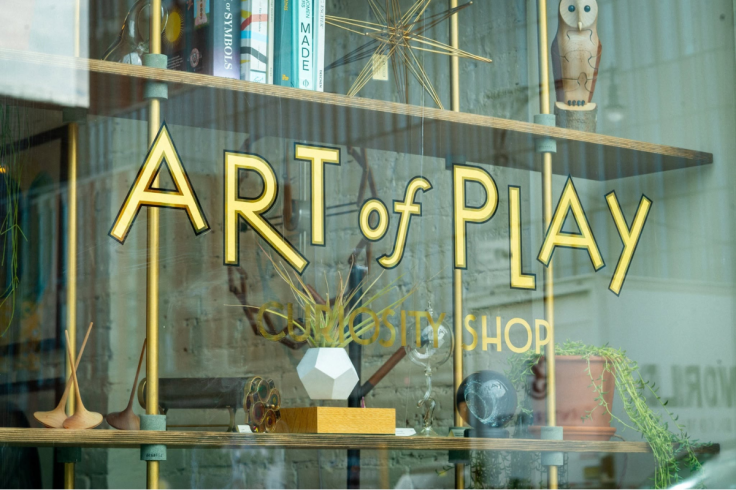
A dispute between Kelly Clarkson and a Brooklyn novelty shop has escalated beyond a disagreement over customer service, with the store's co-owner claiming employees and people defending the business have faced online threats and personal attacks.
In an interview published by TMZ on 13 October, Art of Play co-owner Adam Rubin said the shop had endured a wave of negative attention after Clarkson publicly criticised her experience at the store. Rubin also claimed that people defending the business had received hostile comments, including one targeting a beloved pet with a reference to an incurable disease.
The controversy began after Clarkson described feeling dismissed during a visit to Art of Play, comparing the experience to the treatment of Julia Roberts' character in Pretty Woman. The disagreement centred on a mechanical bird called Molly, which Clarkson said she had tried to purchase.
In a post on X, journalist Mary-Lyn Buckley shared a message from Rubin addressed to Clarkson. The co-owner said the shop held 'no ill will' towards the singer and invited her to return, but described her actions as a 'gross abuse of power' that should carry social consequences. Buckley also invited Clarkson to speak with 1010 WINS for a follow-up interview.
The shop maintained that Molly was a permanent display fixture and was not for sale. It later clarified that the $15,000 price referred to a nearly identical bird owned by the artist, while staff reportedly offered to show Clarkson a different singing bird priced at around $2,000. Clarkson disputed the store's account of their interaction.
Rubin's allegations about threats have not been independently established in the reporting, and the competing accounts of the original encounter remain disputed. The episode nevertheless highlights a wider concern about what happens when a public disagreement draws intense online attention.
Art of Play co-owner Adam Rubin speaks to USA Today at his store following Kelly Clarkson’s viral criticism of his store:
— Pop Crave (@PopCrave) October 14, 2026
“Kelly Clarkson put us in danger.” pic.twitter.com/UD1ppJGMcr
How Online Backlash Can Affect Mental Health
Online harassment can extend beyond unpleasant comments, particularly when a person or business becomes the target of sustained hostility. Threats, repeated insults and unwanted attention may create stress and make people feel unsafe, even when the abuse takes place through a screen.
A systematic review first published online in 2020 examined research on cyberstalking and cyberharassment among adults. Of the 43 studies included in the review, 42 reported harmful mental-health consequences among victims, including depression, anxiety, panic attacks and suicidal thoughts.
The findings do not mean that every person who experiences online hostility will develop a mental-health condition. However, they suggest that persistent digital harassment can have consequences that extend beyond the immediate incident.
For workers caught in a viral controversy, the uncertainty surrounding new messages, negative reviews or threats may also make it difficult to separate their professional responsibilities from the hostility directed at their workplace.
Why Viral Pile-Ons Can Escalate
Social media allows people to respond rapidly to a story, often before they have seen the full context or considered competing accounts. A post from a prominent figure can reach large audiences within a short period, prompting people to express support, criticism or anger.
That attention can quickly shift from discussing an incident to targeting the individuals associated with it. Employees who were not involved in the original interaction may become targets, while people defending a business can also face insults or intimidation.
Online anonymity and the distance between users can further reduce the immediate social consequences of hostile behaviour. The National Academies of Sciences, Engineering, and Medicine has highlighted how digital environments can facilitate harassment, including behaviour that people might be less likely to engage in face to face.
In a dispute involving a celebrity and a small business, the difference in audience size can also be significant. A single viral post may expose a local shop and its employees to far more attention than they are equipped to manage.
What Research Says About Cyberharassment
The American Psychological Association says cyberbullying and online harassment can negatively affect well-being. Research has associated victimisation with increased stress and symptoms of anxiety and depression, although outcomes vary between individuals and circumstances.
Repeated harassment may be particularly difficult when people cannot easily avoid the source of the abuse. Messages can arrive outside working hours, posts can be shared widely and damaging claims may remain accessible even after an initial controversy fades.
Online abuse can also affect people beyond its direct targets. Employees, family members and other supporters may experience distress when they witness threats or become involved in a public dispute.
These effects should not be confused with a clinical diagnosis. Nor does a single online argument establish that someone has experienced lasting psychological harm. The concern is that persistent threats and targeted hostility can create conditions that undermine a person's sense of safety and well-being.
How People Can Respond to Online Harassment
People targeted by online threats can take practical steps to protect themselves, including preserving screenshots, documenting threatening messages, reporting abusive accounts and limiting contact with people sending repeated harassment. Credible threats to physical safety may warrant contacting local law enforcement.
Businesses can also direct customers towards official channels for complaints rather than allowing individual employees to become the focus of online attacks. Platforms have a role in providing accessible reporting systems and responding to credible threats and harassment.
The responsibility for abusive behaviour lies with the people who engage in it. Public figures and other influential voices may not control every reaction to their posts, but clear communication can help discourage followers from targeting individuals or businesses.
The dispute between Clarkson and Art of Play remains contested, and the shop owner's allegations should be treated as claims rather than established findings. Yet the broader issue reaches beyond this particular celebrity disagreement: online criticism can quickly become personal harassment, and the consequences may follow people long after a viral story has disappeared from public attention.