
Prince Harry Says He 'Slipped Into Depression' After Leaving UK
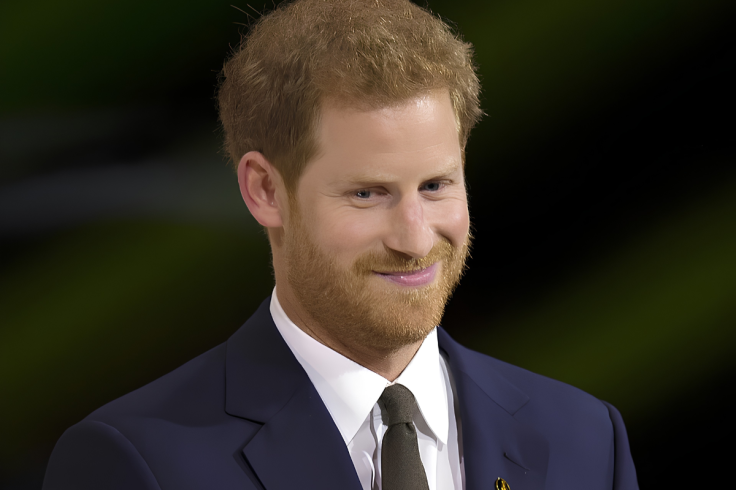
Prince Harry has spoken about experiencing depression after relocating to Canada with his wife, Meghan, Duchess of Sussex, in late 2019, describing a sudden emotional and physical downturn after leaving the pressures of royal life.
In a recent MasterClass session on grief and resilience, the Duke of Sussex said he experienced what he called an 'adrenaline crash' within days of arriving in Canada. He recalled feeling unable to function without the stress that had previously kept him going.
'I actually slipped into depression for about two weeks and I felt like I couldn't function without adrenaline,' Harry said, according to the BBC.
The discussion, which also explored his long-standing grief following the death of his mother, Diana, Princess of Wales, highlights how transitions and unresolved emotional experiences can affect well-being. While one person's experience cannot explain everyone's response to stress, health experts recognise that difficult life events can contribute to depression.
Why Major Life Changes Can Affect Mental Health
Leaving a familiar environment, changing careers, moving home or experiencing a relationship breakdown can disrupt routines and sources of support. Even when a change is intentional, adapting to a new situation may bring emotional challenges that are difficult to anticipate.
The UK's National Health Service (NHS) identifies stressful events, including bereavement, divorce, illness and job-related difficulties, as potential triggers for depression. Several factors may combine, meaning there is rarely one explanation for why someone develops the condition.
Harry described leaving the UK to get space from a stressful environment. His account suggests that stepping away from sustained pressure did not immediately bring emotional relief.
Stress triggers the release of hormones such as adrenaline and cortisol, which help the body respond to perceived challenges. These responses can be useful in the short term, but persistent stress can affect sleep, concentration, mood and physical well-being.
However, Harry's description of an 'adrenaline crash' is his personal account, not a clinical diagnosis or evidence that everyone experiences the same response after prolonged stress.
How Prolonged Stress Can Affect the Body and Brain
Stress can influence both physical and mental health. According to the World Health Organization (WHO), excessive stress may contribute to anxiety and depression, particularly when symptoms persist and begin interfering with daily life.
When these difficulties persist, they may interfere with daily activities and relationships. However, symptoms vary, and prolonged stress does not inevitably lead to depression.
Depression involves more than feeling unhappy for a few days. Symptoms may include persistent low mood, loss of interest or pleasure, hopelessness, low energy and difficulty concentrating. The NHS advises seeking medical help when symptoms persist or become difficult to manage.
Harry's description of feeling unable to function without stress illustrates how pressure can become intertwined with a person's daily routine. Nevertheless, an individual's experience cannot establish how stress affects the brain in every case, and depression can develop through a combination of biological, psychological and social factors.
Prince Harry Also Discussed Grief After Diana's Death
Harry also reflected on the death of his mother, Diana, when he was 12. He said he had spent years feeling emotionally numb and believed he needed to remain sad to demonstrate how much he missed her.
'I felt like I had to be sad and I had to be emotionally numb in order to prove to her that I missed her,' he said, according to the BBC.
He also discussed how a therapist suggested using Diana's perfume to help him reconnect with memories and emotions he had struggled to process.
Grief does not follow a single timetable, and people may respond to loss in different ways. Memories, familiar scents and other reminders can bring emotions to the surface, while some people may initially feel numb or find it difficult to talk about their loss.
The WHO identifies severe loss and other adverse life events as factors associated with an increased risk of depression. However, grief itself is not automatically a mental health disorder, and not everyone who experiences bereavement will develop depression.
When Stress or Low Mood May Need Professional Support
Harry's account also draws attention to the importance of recognising when emotional difficulties begin affecting everyday functioning. Although periods of stress and sadness are common, persistent symptoms should not automatically be dismissed as an inevitable response to a difficult time.
The NHS advises seeking help from a GP if symptoms of depression persist for most of the day, nearly every day, for more than two weeks, or if they affect work, relationships or other daily activities. A healthcare professional can assess symptoms and discuss appropriate treatment, which may include talking therapies, medication or a combination of approaches.
Maintaining contact with trusted friends and family, keeping regular sleep and meal routines, and making time for manageable activities may also support well-being. These measures are not substitutes for professional care when symptoms are severe or persistent.
Harry's account illustrates that leaving a stressful environment does not necessarily bring immediate emotional relief. His experience also underscores the importance of recognising persistent symptoms and seeking appropriate support.