
Heart Attack-Like Symptoms Leave Alison Hammond Struggling Live on TV Before She Reveals It Was a Panic Attack
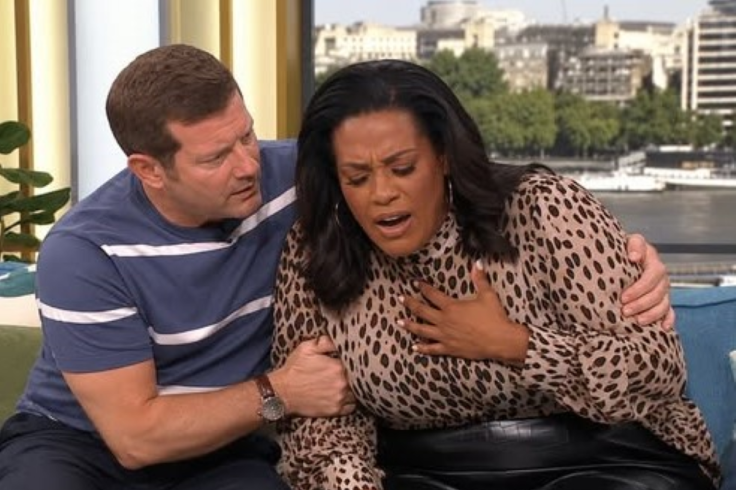
Alison Hammond was forced to leave the set of This Morning after suddenly becoming unwell during a live broadcast, with the presenter later saying that what initially felt like a potentially serious heart problem appeared to have been a panic attack.
Hammond, 51, was presenting alongside Dermot O'Leary on Friday, October 2, when she appeared to clutch her chest and rushed off set. The programme cut to an advert before O'Leary told viewers that Hammond was feeling unwell and had to leave.
She was subsequently taken to hospital, where doctors checked her heart, lungs and blood. The tests came back clear, and Hammond was later allowed to return home.
In an update to fans, Hammond said she had experienced heart palpitations and initially hoped it was 'just a little panic attack or something like that'. She later confirmed that doctors had found no underlying problem and said it appeared she had experienced a 'massive panic attack' on live television.
Why Can A Panic Attack Feel Like A Heart Attack?
A panic attack is a sudden episode of intense fear or anxiety that can produce powerful physical symptoms.
According to the NHS, these can include a racing or noticeable heartbeat, chest pain, dizziness, sweating, trembling, nausea and shortness of breath. Some people may also experience a fear of losing control or dying.
These symptoms can closely resemble those associated with potentially life-threatening heart problems, which is why it can be difficult to tell the difference based on symptoms alone.
Hammond said her episode was new to her and that she needed to learn more about panic attacks.
How Do Heart Attack Symptoms Differ?
A heart attack happens when blood flow to part of the heart becomes blocked. It can be life-threatening and requires emergency treatment.
The NHS lists symptoms including crushing or squeezing chest pain, pain that spreads to the arm, neck or jaw, shortness of breath, nausea, vomiting and sweating. Some people may not experience all of these symptoms.
Unlike a panic attack, a heart attack involves a physical blockage affecting blood supply to the heart. However, symptoms can overlap, so someone experiencing new or unexplained chest pain, palpitations or breathing difficulties should not simply assume anxiety is responsible. An ECG and blood tests may be needed to determine whether someone is having a heart attack.
When Should Chest Symptoms Be Treated As An Emergency?
Sudden or severe chest pain should always be taken seriously. The NHS advises calling 999 for chest pain that feels tight or squeezing, particularly when it spreads to the arms, neck or jaw, or when someone has severe difficulty breathing or loses consciousness.
Even when anxiety seems like a possible explanation, medical assessment may be necessary when symptoms are new, severe, or difficult to distinguish from a heart problem.
That distinction is particularly important because panic attacks can occur without an obvious trigger, while physical illnesses can also produce symptoms that resemble anxiety.
What Happens After a Panic Attack?
A single panic attack does not necessarily mean someone has panic disorder. Panic disorder involves recurrent, unexpected attacks followed by ongoing concern about experiencing another one or changes in behaviour because of the attacks.
For people experiencing repeated panic attacks or anxiety that interferes with daily life, the NHS recommends speaking with a GP. Talking therapies such as cognitive behavioural therapy and, in some cases, medication can be used as treatment.
Hammond's experience highlights how physically intense panic can feel. While her hospital tests were reassuring, chest pain, palpitations and breathlessness should not automatically be attributed to anxiety without appropriate medical assessment.