
Katie Price Is Planning Another Nose Job; Here's Why Each Surgery Can Make the Next Riskier
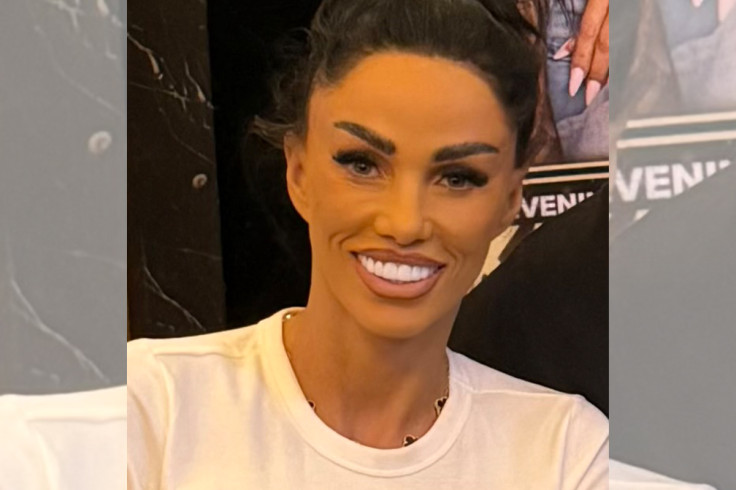
Katie Price has reportedly undergone her fourth nose operation, bringing renewed attention to the potential complications of repeated cosmetic surgery. The 48-year-old television personality was photographed leaving a hotel in Belgium on Tuesday, 17 November, with her nose covered in bandages, padding and surgical tape following the procedure.
The latest operation comes nearly two decades after her first rhinoplasty in 2007. Price subsequently underwent another nose surgery in 2023 to address what she described as an uneven appearance following a previous lip lift. She also had further work in January 2025, including a mini nose lift.
Although Price has publicly defended her decisions about cosmetic procedures, repeated operations can present increasingly complicated challenges for surgeons. Revision rhinoplasty, which involves correcting or changing the results of previous nose surgery, is often more difficult than an initial procedure.
Why Each Nose Operation Can Be More Complicated
Rhinoplasty involves altering the bone, cartilage and soft tissues that give the nose its shape and support. Each operation can change these structures, leaving less natural tissue available for subsequent procedures.
Previous surgery also creates scar tissue, which can make it harder for surgeons to separate and identify the underlying structures. This may limit their ability to make precise adjustments and increase the technical difficulty of another operation.
According to a review published in StatPearls, revision rhinoplasty requires careful consideration of scarred tissue, the availability of cartilage for reconstruction and changes to the nose's blood supply.
Scar Tissue and Cartilage Can Affect Results
Cartilage is essential for maintaining the nose's structure, particularly around the tip and nasal passages. During rhinoplasty, surgeons may reshape or remove cartilage to achieve a desired appearance.
After multiple operations, however, there may not be enough healthy cartilage remaining to provide adequate support. Surgeons may need to use grafts taken from other parts of the body, such as the ear or ribs, to rebuild or reinforce the nasal framework.
Scar tissue can also affect how the skin sits over the underlying structure. This can make the final appearance less predictable, particularly when the tissue has already undergone several rounds of surgical manipulation.
Repeated Surgery Can Affect Breathing and Healing
Rhinoplasty is not purely cosmetic. The procedure can also affect the internal structures responsible for airflow, meaning complications may involve both appearance and nasal function.
Potential problems include persistent nasal obstruction, changes in the shape of the nose, septal perforation and difficulty breathing. A septal perforation is a hole in the wall separating the two nasal passages, which can cause crusting, nosebleeds and whistling sounds during breathing.
Previous operations may also compromise the blood supply to the nasal skin and surrounding soft tissue. This can interfere with healing and, in severe cases, increase the risk of tissue damage.
Revision Rhinoplasty Does Not Guarantee A Better Outcome
Further surgery does not automatically correct dissatisfaction with an earlier result. The complexity of revision procedures means surgeons must assess the remaining cartilage, scar tissue, skin condition and nasal function before deciding whether another operation is appropriate.
A review of rhinoplasty in StatPearls notes that revision procedures are particularly challenging because previously operated tissue can make surgical planning and reconstruction more difficult.
Not every patient who undergoes multiple nose operations will experience complications, and individual outcomes depend on several factors, including surgical technique, anatomy and healing.
Price's latest procedure does not establish that she has experienced any of these medical problems. However, her history highlights why repeated rhinoplasty requires careful consideration of both cosmetic goals and long-term nasal health.