
Lana Rhoades Launches AI Clone That Can Flirt With Fans 24/7 as Experts Warn of Emotional Dependency
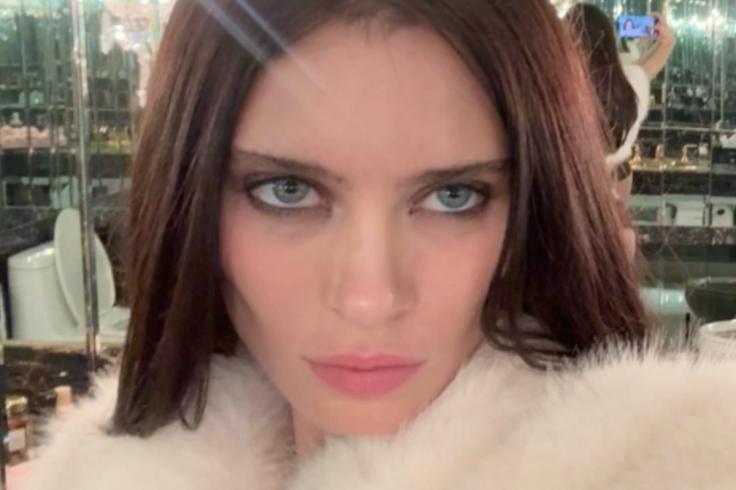
Former adult performer Lana Rhoades has previously discussed developing an artificial intelligence version of herself, which could allow fans to request personalised content and chat with a digital double without her physically appearing in explicit scenes.
Rhoades discussed developing an AI version of herself in a September 2024 interview with Julia Fox, describing it as a possible alternative to creating content for OnlyFans. However, she has not publicly confirmed a partnership with Candy AI, a launch date or a digital twin modelled on her appearance at 19.
Rhoades entered the industry in 2016 and stopped filming in 2017. She has described having limited control early in her career, saying agents set performers' rates and had a say in who they filmed with. She recalled earning $1,200 (£902) per scene, while a social media creator she met reportedly received $15,000 (£11,279) for an Instagram photograph.
AI Twin Offers Intimacy Without a Human Performer
The digital version is designed to do more than replay existing material. Fans can interact through one-to-one conversations, personalised images and videos. Rhoades said she had tested its ability to flirt and was impressed.
She said she was closely involved in approving the twin's appearance and voice. The model is based on her at 19, and the platform describes it as an officially licensed AI version.
Candy AI advertises monthly subscriptions at $13.99 (about £10.52), with image and video generation using a separate monthly token allowance.
AI Companions Can Encourage Emotional Attachment
The launch highlights a question for researchers: what happens when a chatbot is designed to simulate romantic attention and personal connection?
A May 2026 systematic review in Computers in Human Behavior: Artificial Humans analysed 39 empirical records on parasocial relationships with AI. It identified potential benefits, including emotional support and social connection, alongside risks such as emotional dependence, displacement of human relationships, commercial persuasion and privacy concerns.
These findings do not mean every user will become attached to an AI companion. Researchers said the evidence remains varied and longer-term studies are needed.
Personalised Chats Raise Privacy Questions
Unlike a conventional video, an interactive AI companion invites users to share personal thoughts and preferences. This can make the experience feel intimate, but raises questions about how sensitive information is collected, stored and used.
Users should check a platform's privacy policy and avoid sharing identifying, financial or highly sensitive details. An AI character may imitate empathy, but it is not a human partner.
Rhoades Says the Digital Double Protects Her Boundaries
For Rhoades, the appeal is maintaining a commercial presence without returning to physical performance. She has previously said she did not own the rights to many of her earlier videos and would have preferred to remove them.
She believes digital doubles could give creators another way to work while setting boundaries around their bodies and content. The approach may offer performers greater control, but raises questions about consent, licensing, data security and platform oversight.
As AI companions become more interactive, the distinction between personalised entertainment and simulated intimacy may become harder to navigate.