
Drunk Brit Who Exposed Herself on TUI Flight Faces Jail as Experts Explain Alcohol's Effects
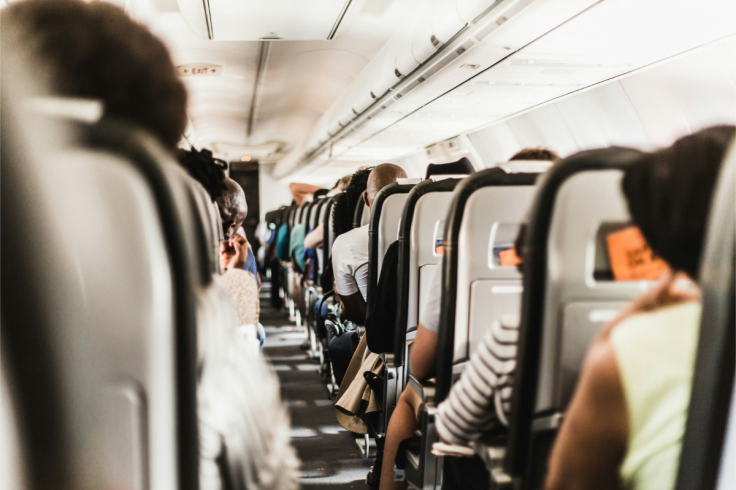
A British woman who exposed herself to passengers on a packed TUI flight while intoxicated could face prison after admitting several offences. The incident forced the aircraft to divert to Manchester Airport, with prosecutors estimating the financial loss at £20,000.
Sarah Parker, 30, from Halifax, West Yorkshire, was travelling from Birmingham to Melbourne, Florida, on 24 July 2025 when she got out of her seat during take-off, despite instructions from the flight crew.
After cabin crew reminded her of the safety requirements, Parker pulled down her shorts and underwear and exposed herself in the aircraft aisle, according to the charge document presented in court.
She pleaded guilty to outraging public decency, being drunk on an aircraft and failing to comply with the pilot's lawful instructions. Magistrates committed her case to Manchester's Minshull Street Crown Court for sentencing after determining that their sentencing powers were insufficient.
The incident has drawn attention to how alcohol intoxication can affect judgement, decision-making and impulse control.
Alcohol Intoxication Can Impair Judgement and Impulse Control
Alcohol affects the central nervous system, potentially reducing inhibitions, slowing reaction times and making it harder to regulate behaviour.
The US National Institute on Alcohol Abuse and Alcoholism (NIAAA) notes that decision-making abilities can become impaired before obvious signs of intoxication appear. The extent of impairment varies according to factors such as the amount and speed of alcohol consumed, food intake and individual tolerance.
Although intoxication can increase the likelihood of risky behaviour, it does not establish why a particular person acted in a specific way. People who drink heavily do not necessarily behave similarly.
Alcohol Can Create Additional Risks During Flights
Air travel requires passengers to follow safety instructions and remain prepared for unexpected situations. Impaired coordination, awareness and judgement may make it harder for an intoxicated passenger to respond appropriately.
Passengers must have their seatbelts fastened before take-off and landing, and whenever the aircraft commander considers it necessary for safety. These precautions help reduce injuries during sudden movements or turbulence.
In Parker's case, prosecutors said her behaviour distressed passengers and created a safety risk. The diversion also disrupted flight operations and reportedly caused £20,000 in financial losses.
Alcohol-Related Blackouts Differ From Passing Out
Heavy drinking can cause alcohol-related blackouts, which are different from losing consciousness.
According to the NIAAA, a blackout occurs when alcohol interferes with the brain's ability to form and store new memories. A person may remain awake and carry out activities but later have little or no recollection of what happened.
Blackouts are associated with high levels of alcohol consumption, particularly when someone drinks quickly. However, there is no evidence in the court reporting that Parker experienced one, so her behaviour should not be presented as an example of alcohol-induced memory loss.
Parker Faces Sentencing in December
During a hearing at Manchester Magistrates' Court on 3 November 2026, prosecutor Edward Downes argued that the case required consideration by the Crown Court because magistrates' sentencing powers were insufficient.
District Judge Simon Blakebrough described the incident as serious, noting that Parker had exposed herself on a plane full of passengers.
The case has been committed to Minshull Street Crown Court, where Parker is due to be sentenced on 1 December 2026. She could receive a custodial sentence, although the final decision rests with the judge.
The incident highlights how excessive drinking can have serious consequences in situations where sound judgement and compliance with safety instructions are essential.