
'Legal Blow' Before the Gym? Why 250K+ People Are Downing This High-Caffeine Pre-Workout
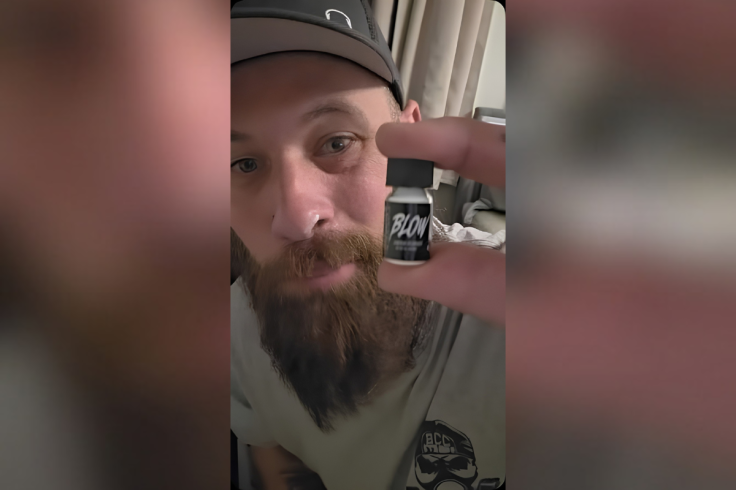
A tiny scoop before the gym is becoming a surprisingly viral way to get energised, with Legal Blow Energy claiming to have sold more than 250,000 products. But behind the provocative name and pocket-sized packaging is a powerful stimulant that can affect the heart, blood pressure and nervous system.
Blow Energy Powder contains caffeine anhydrous and myo-inositol, with the company stating that each serving contains 100 milligrams of caffeine. One container contains four servings, or 400 milligrams of caffeine in total. The manufacturer recommends no more than one serving at a time and no more than three servings in 24 hours.
The product is also unusual in how it is marketed. The company describes Blow as a novelty energy product rather than a dietary supplement and specifically warns consumers not to consume it directly or use it through unintended methods.
So what happens inside the body when someone downs a concentrated dose of caffeine before working out?
What Caffeine Does to the Heart
Caffeine is a central nervous system stimulant. It can increase alertness and make a person feel more awake, but it can also temporarily affect the cardiovascular system.
The Food and Drug Administration says too much caffeine may cause increased heart rate, heart palpitations and high blood pressure, alongside symptoms such as anxiety, jitters, nausea and headaches. How strongly someone reacts can vary depending on their sensitivity, medications, medical conditions and how quickly their body metabolises caffeine.
For most healthy adults, the FDA cites 400 milligrams of caffeine per day as an amount not generally associated with negative effects. That is a daily figure, however, not a recommendation to consume 400 milligrams in one sitting or before exercise.
And because Blow contains 100 milligrams per serving, the caffeine from the product is only part of the equation.
Why Pre-Workout Caffeine Can Feel So Intense
Caffeine is popular among people who exercise because its stimulant effects can increase alertness and make physical effort feel more manageable.
But the same stimulant effect that makes someone feel energised can also produce an uncomfortable cardiovascular response, particularly in people who are sensitive to caffeine.
A person may notice their heart beating faster or harder, feel shaky or become unusually anxious. These effects do not necessarily mean the heart has been damaged, but they can be signs that the body is responding strongly to the stimulant.
The timing may also affect how the stimulant feels. Taking caffeine shortly before exercise means its effects may overlap with the normal increase in heart rate that occurs during physical activity.
For people with certain medical conditions or those taking medications that affect the cardiovascular system, the response may be more concerning. Blow's manufacturer advises people with medical conditions or those taking medication to consult a healthcare professional before use.
The Caffeine You Drink Still Counts
One of the easiest ways to overshoot a person's caffeine tolerance is to forget that different products contribute to the same daily total.
Someone might take a 100-milligram serving of Blow before a workout, then have coffee later, followed by an energy drink in the afternoon. The individual amounts may not appear extreme, but they can quickly accumulate.
The FDA notes that caffeine can be found in coffee, tea, energy drinks and soft drinks, as well as less obvious products such as dietary supplements, protein bars and some over-the-counter medicines.
That is why the product's own warning tells users to account for caffeine from other sources and not combine Blow with other caffeine-containing products.
The manufacturer also recommends that Blow not be used by people under 18, pregnant or nursing individuals or people who are sensitive to caffeine.
When a Pre-Workout Becomes a Health Concern
There is an important difference between feeling energised after caffeine and experiencing symptoms of excessive caffeine exposure.
The FDA lists rapid heartbeat, heart palpitations and elevated blood pressure among the potential effects of consuming too much caffeine. Extremely high exposures can become much more dangerous, with caffeine toxicity potentially causing dangerously abnormal heart rhythms, seizures and other severe symptoms.
The FDA's strongest warnings concern pure or highly concentrated caffeine products, where the margin between an intended dose and a toxic amount can become dangerously small. Blow should not be equated with pure powdered caffeine, but its concentrated format means users still need to pay attention to serving size and total caffeine intake.
For someone using a caffeine-containing pre-workout, the safest approach is to follow the product's directions, account for caffeine consumed elsewhere and avoid assuming that more stimulant will produce a better workout.
If someone develops severe or persistent palpitations, chest pain, fainting, severe vomiting, confusion, seizures or other serious symptoms after consuming a caffeine product, they should seek urgent medical attention.
Legal Blow's viral popularity does not by itself establish that the product is dangerous, just as its sales do not establish that it is appropriate for everyone. The bigger health question is how much caffeine a person is consuming, how their body responds to it and whether they have any conditions or medications that could make stimulants riskier.