
Medicare Drug Plan Premiums Set To Jump 50% in 2027, Affecting 10.4 Million Americans Who Keep Current Plans
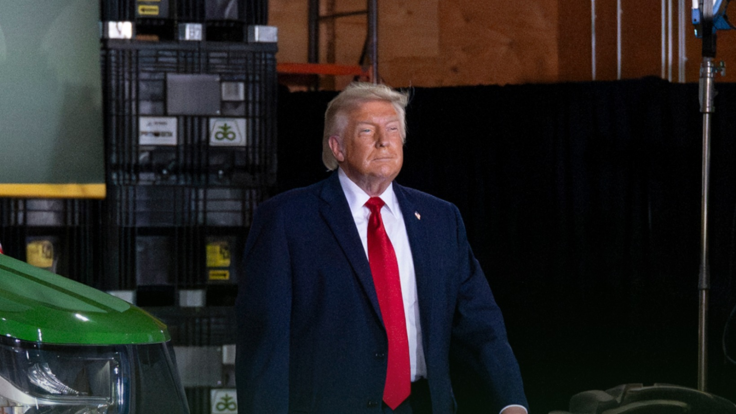
Average premiums for Medicare stand-alone drug plans are projected to rise by 50 per cent in 2027, even as Donald Trump says the United States now has 'the lowest drug prices anywhere in the world'. The projection comes from a KFF analysis of federal plan data, and it contrasts sharply with the far smaller increase forecast by the government itself.
Medicare Drug Plan Premiums Projected To Rise Fifty Per Cent in 2027
KFF projects that average stand-alone Medicare drug plan premiums will rise by 50 per cent in 2027, while the federal government expects only a modest increase. Around 10.4 million enrollees could pay more if they remain in their current plans, while people without low-income subsidies will have no zero-premium plan options.
In an analysis published on 30 October 2026, KFF estimated that average monthly premiums for stand-alone plans would increase from $34 (£26) in 2026 to $51 (£39) in 2027 if enrollees stay with their existing coverage.
The average could be lower once changes made during open enrolment are taken into account. The Centers for Medicare and Medicaid Services (CMS), meanwhile, projects a much smaller increase, putting the national average monthly premium at $36 (£27). KFF noted that its estimate differs from the agency's forecast.
Around 10.4 million enrollees, representing 76 per cent of those in stand-alone plans without low-income subsidies, could face higher premiums if they keep their current coverage. This includes 4.1 million people currently enrolled in zero-premium plans, as no such plans will be available to those without low-income subsidies in 2027.
Deductibles are also expected to increase across both stand-alone and Medicare Advantage plans. Most enrollees with prescription drug coverage will also face coinsurance rather than fixed copayments. According to KFF, nearly 25 million people are enrolled in stand-alone Medicare drug plans.
Medicare Stand-Alone Drug Plan Premiums Follow End of Subsidy Pilot
CMS announced in July that it would end a pilot scheme, which had paid subsidies to stand-alone plans in 2025 and 2026, a year early. The pilot had originally been designed to run for three years.
It said insurers had gained enough experience with the redesigned Part D benefit to set their 2027 bids without the support. Its administrator, Dr Mehmet Oz, has called the programme an 'insurance industry bailout'.
KFF said the early end could push premiums higher. Avalere Health, a consultancy, said it added upward pressure and could accelerate a shift towards Medicare Advantage.
Analysts had already expected strong pressure on premiums from rising drug prices and a more generous benefit under a 2022 law. Choice is narrowing too, with eight plans available in 15 states and 12 in only one.
Trump's Price Claim Meets a Premium Dispute
The president has said the country has gone from the highest drug prices to the lowest, citing a 'favored nations' approach. His administration says it has negotiated lower prices from drug manufacturers. Premiums, however, are set by the private insurers that offer stand-alone plans, hardly the same thing as what manufacturers charge.
KFF Health News reported that the president's approval rating in some polls has dipped to the lowest level of his two terms in office.
AARP said the conflicting figures from KFF and CMS made it important to compare Medicare Advantage and Part D options during open enrolment. Humana remains the only insurer offering three stand-alone plans in all 34 regions. Whether Medicare stand-alone drug plan premiums end up nearer the federal forecast or the KFF projection will depend largely on how many enrollees switch plans.