
Drug-Resistant Infections Cause 50,800 US Deaths a Year as New Report Highlights Growing Threat
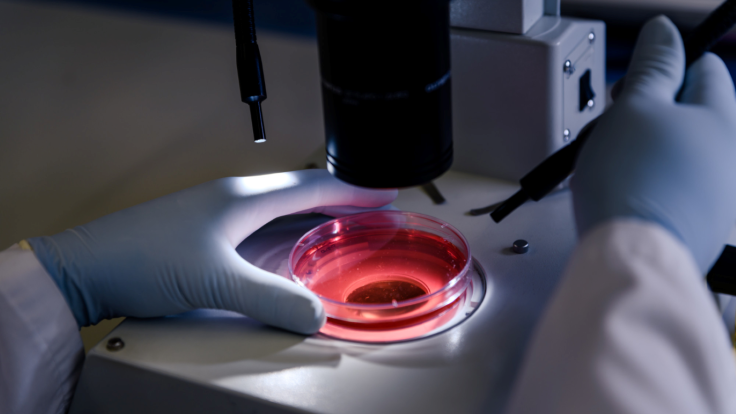
Drug-resistant infections cause more than 39,000 deaths in the United States each year, according to the CDC's latest estimates. When Clostridioides difficile infections are included, the annual death toll across the threats covered by the report rises to an estimated 50,800.
The figures come from the latest Antimicrobial Resistance Threats Report, released by the US Centers for Disease Control and Prevention (CDC) in October 2026. The assessment estimates that 19 drug-resistant pathogens cause approximately 9.7 million infections annually, highlighting the scale of a public health challenge that could make some infections harder to treat.
The report's estimates are based on data from 2023. Although the CDC's previous assessment in 2019 estimated around 35,000 deaths annually, the agency cautions that changes in data sources and methodology mean the figures cannot be directly compared to establish the extent of any increase.
Antimicrobial resistance occurs when bacteria, fungi, and other pathogens develop the ability to survive medicines designed to kill them or stop their growth. As resistance spreads, infections may become more difficult to treat, potentially increasing the risk of complications and death.
Which Drug-Resistant Pathogens Are Causing Concern?
The CDC classified four pathogens as urgent threats, 13 as serious threats, and two as concerning threats. It also identified six additional pathogens for monitoring.
One of the most concerning is Candida auris, a fungus that can spread in healthcare settings and resist multiple antifungal medicines. The CDC recorded 4,523 infections in 2023, approximately 10 times the number reported in 2019.
The fungus can persist on patients' skin and spread through contaminated surfaces and equipment, making infection prevention particularly important in hospitals. It poses a greater risk to people who are already seriously ill or have weakened immune systems.
Carbapenem-resistant Enterobacterales (CRE), a group of bacteria resistant to powerful antibiotics, were also classified as an urgent threat. These infections can be particularly difficult to manage in patients with medical devices such as catheters and ventilators.
Drug-resistant Neisseria gonorrhoeae, the bacterium responsible for gonorrhoea, also remains an urgent concern because treatment options are limited. Without effective treatment, gonorrhoea can lead to pelvic inflammatory disease, ectopic pregnancy and infertility.
Why Could Antibiotic Resistance Affect Routine Medical Care?
The consequences extend beyond treating infections themselves. Effective antibiotics help prevent and manage infections associated with surgery, cancer treatment and other medical procedures.
Haley Ann Pritchard, an infectious diseases specialist quoted by the Center for Infectious Disease Research and Policy (CIDRAP), said clinicians were encountering more CRE infections than five years ago. She also warned that resistance had emerged against some newer antibiotics.
The CDC report also identified some encouraging developments. Hospital infections caused by Clostridioides difficile, a bacterium that can cause severe diarrhoea and intestinal damage, declined by 9% between 2018 and 2023. The agency attributed the improvement to better infection prevention and more appropriate antibiotic use.
How Can the Spread of Drug Resistance Be Reduced?
Antibiotics should be used only when medically appropriate, as unnecessary use can encourage resistant organisms to develop and spread. Patients should take prescribed medicines according to their healthcare professional's instructions and avoid using leftover antibiotics or sharing prescriptions.
Healthcare facilities can also reduce transmission through effective hygiene, cleaning, infection surveillance, and appropriate prescribing practices.
The CDC's findings highlight the need for continued monitoring, improved infection prevention, and the development of new treatments. Without these measures, drug-resistant pathogens could increasingly undermine the medicines that modern healthcare depends on.