
Hundreds of Texans Suffer Shocking Surgical Mistakes Every Year: 'Never Events' That Should Never Happen
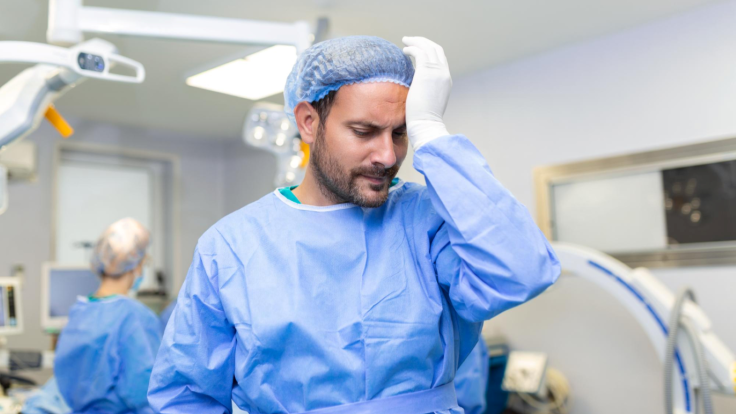
A woman who underwent a caesarean section discovered a surgical needle inside her abdomen three years later, highlighting the potentially devastating consequences of medical errors that should never happen.
Beatriz Cerda, from Grand Prairie, Texas, began experiencing intermittent pain after her C-section in 2022. In 2025, she sought emergency treatment for abdominal pain resembling appendicitis, only for doctors to discover a metal object inside her body.
The object was a surgical suture needle still enclosed in hard plastic packaging. Cerda subsequently underwent surgery to have it removed.
Her experience is among the cases highlighting a wider patient safety problem in Texas, where hospitals continue to report serious surgical errors despite the expectation that such incidents should be preventable.
Hundreds of Surgical Errors Reported in Texas
An investigation by The Dallas Morning News, published in October, found that Texas hospitals and surgery centres reported approximately 200 serious surgical errors annually across four categories. State data recorded 380 such incidents during the 18 months to December 2025, averaging about five a week. The investigation cautioned that the actual number could be higher.
These incidents are commonly called 'never events' because they are serious, identifiable and generally preventable.
They include operating on the wrong patient, performing the wrong procedure, operating on the wrong body part, and leaving a foreign object inside a patient after surgery.
Although these events represent a small proportion of the tens of thousands of operations performed in Texas, their consequences can be severe. Reported cases have included deaths, while survivors may experience lasting physical harm, additional operations, and emotional distress.
Another case involved a woman who was mistakenly sterilised, according to the investigation, illustrating how a single surgical error can have lifelong consequences.
Why These Errors Matter Beyond the Operating Theatre
Surgical complications are not always evidence of negligence. Some adverse outcomes occur despite appropriate medical care. However, 'never events' raise particular concerns because many are considered preventable through appropriate safeguards and established procedures.
Leaving a foreign object inside a patient, for example, can lead to pain, infection, tissue damage, and the need for further surgery. Depending on the object and its location, complications may not become apparent immediately.
For patients, discovering such an error can also undermine trust in healthcare professionals, particularly when symptoms persist for months or years before the underlying problem is identified.
Can Hospitals Prevent 'Never Events'?
Patient safety advocates and medical professionals point to stronger safeguards and a workplace culture that encourages staff to speak up when something goes wrong.
Practical measures include verifying a patient's identity and the planned procedure, confirming the correct surgical site, and systematically counting instruments and other materials before and after an operation.
These checks must be supported by an environment in which healthcare workers can raise concerns without fear of retaliation. Even well-designed procedures may fail if staff members feel unable to question a potential mistake.
Why Seeking Compensation Can Be Difficult
The investigation also highlighted the legal challenges patients may face after serious surgical errors.
Texas law caps non-economic damages, including compensation for pain and suffering, in many medical malpractice cases. The limits vary depending on whether the claim is against an individual healthcare provider or a healthcare institution. These restrictions can make it harder for some patients with limited financial losses to secure legal representation, even when they have suffered substantial physical or emotional harm.
The limits do not apply in the same way to every category of damages, and the rules differ for public hospitals. Nevertheless, the findings raise questions about whether existing protections adequately address the needs of patients harmed by preventable medical mistakes.
Ultimately, reducing 'never events' requires more than identifying errors after they occur. Reliable safety systems, open communication, and meaningful accountability are essential to protecting patients and preventing similar incidents from happening again.