
Doctor Who Removed 2 Women's Ovaries Without Consent Can No Longer See Female Patients Without Chaperone
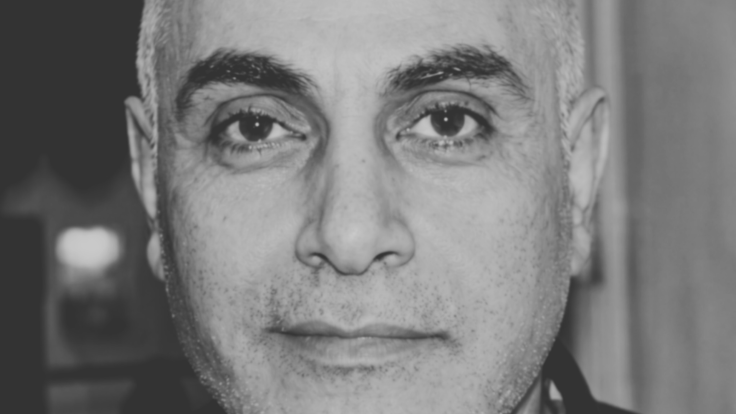
A consultant gynaecologist who admitted removing two women's ovaries without their consent has been placed under strict practice conditions following intervention by the General Medical Council (GMC).
Dr Ali Shokouh-Amiri, who previously practised at Guernsey's Princess Elizabeth Hospital, was found guilty of misconduct by a Medical Practitioners Tribunal in 2025. The panel issued a formal warning after ruling that his fitness to practise was not impaired.
The GMC subsequently challenged that decision in the High Court, arguing that the tribunal had failed to properly consider important evidence. On 28 August 2026, the High Court ruled in the GMC's favour in relation to the challenged findings and ordered the case to return to a fresh tribunal for reconsideration.
Pending the new proceedings, the regulator imposed interim conditions requiring Dr Shokouh-Amiri to have an independent chaperone present during consultations with female patients, except in life-threatening emergencies.
The GMC has said it takes action where concerns could undermine patient safety or public confidence in the medical profession.
Unnecessary Surgery 'Ruined' Victim's Life
The original disciplinary case examined care provided to six patients between 2016 and 2019, when Dr Shokouh-Amiri was a partner at the Medical Specialist Group in Guernsey.
During the proceedings, the doctor admitted removing the ovaries of two women without their consent. In one case, investigators found no identified clinical indication for the procedure.
One patient told the Manchester tribunal that the unconsented removal of her left ovary had 'ruined her life'.
A second patient said she believed the doctor had intentionally removed her organs and reported that the procedure had forced her into premature menopause.
Dr Shokouh-Amiri faced more than 100 allegations of inappropriate conduct. The tribunal found multiple allegations proved, although the exact number should be confirmed against its formal determination.
The proceedings also examined allegations that he hugged and kissed a patient, rubbed and touched another patient's leg following a consultation, and suggested that a patient join him at the gym. The tribunal found that hugging and kissing had occurred but did not classify those particular acts as misconduct. Other conduct, including the gym remarks, was found to amount to misconduct.
He also admitted carrying out intimate physical examinations without a chaperone.
Tribunal Verdict and High Court Appeal
In his defence, Dr Shokouh-Amiri, who qualified as a medical practitioner in January 2005, maintained that his actions were non-sexual. He told the tribunal that he had intended to offer compassion, support, comfort and reassurance.
The original tribunal concluded that the ovary removals and gym remarks amounted to misconduct. However, it considered his otherwise unblemished career and the insight he had shown into his failings when deciding that his fitness to practise was not impaired.
The panel issued a formal warning rather than suspending or removing him from the medical register.
The GMC challenged the decision, arguing that the tribunal had made errors in its assessment of the evidence. On 28 August 2026, the High Court allowed the GMC's appeal in relation to the challenged findings and ordered a fresh tribunal to reconsider the relevant issues, including whether Dr Shokouh-Amiri's fitness to practise is impaired.
The interim chaperone conditions were imposed while the regulatory proceedings continue. They do not amount to a final finding by the new tribunal on his current fitness to practise.
The case has renewed scrutiny of how medical regulators handle allegations involving consent and patient safety.
A separate Medical Practitioners Tribunal previously suspended a doctor for one month after he circumcised a three-month-old infant without the mother's consent. The child's mother publicly criticised the penalty.
The fresh tribunal will reconsider the relevant findings in Dr Shokouh-Amiri's case and determine the regulatory implications of the High Court ruling.