
Dylan Cope's Death Highlights the Danger of Missed Appendicitis and Rapidly Worsening Sepsis
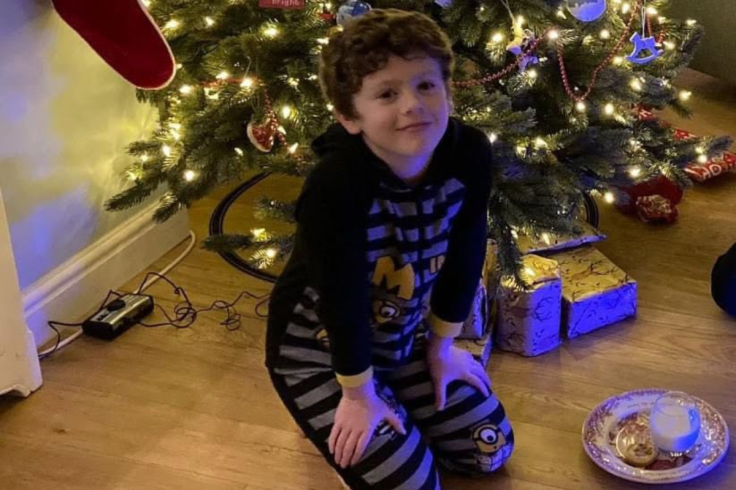
A coroner found that nine-year-old Dylan Cope's death from septic shock could have been avoided if a senior doctor had examined him in accident and emergency (A&E). His GP suspected appendicitis, but the nurse who assessed him did not read the referral.
Dylan was sent home with a coughs and colds leaflet, resting a few times on the walk to the car because of pain, his father said. He died on 14 December 2022 at the University Hospital of Wales in Cardiff after a ruptured appendix led to septic shock.
What Was Missed in A&E
The GP's referral recorded tenderness and guarding on the right side of Dylan's abdomen, findings that can indicate appendicitis. The nurse's notes recorded tenderness on both sides, but her discharge summary omitted the right-sided finding.
At the inquest, the nurse said Dylan had reported pain on the left side. However, the appendix is usually located in the lower right abdomen, and the coroner found the examination inadequate.
The nurse did not perform a hop test, which can help identify appendicitis, and the psoas test, which checks for pain linked to an inflamed appendix, was carried out incorrectly.
A nasal swab then tested positive for influenza A. His father said the nurse explained that flu could swell abdominal lymph nodes and account for the pain, and the coroner concluded she had found a diagnosis that fitted Dylan's symptoms.
Dylan was discharged in the early hours of 7 December. His father said he repeatedly asked staff whether it could be appendicitis.
How Sepsis Took Hold
By 10 December, Dylan was worse, not better. His father reached the emergency number on the discharge sheet on what he estimated was his 19th attempt, and was told to call National Health Service (NHS) 111.
After two hours on hold, Dylan was deteriorating so rapidly that his father drove him back to A&E rather than wait. Surgeons in Cardiff later found his appendix had burst, causing widespread infection.
By 13 December, Dylan was on 'double the life support', his parents were told. Doctors said he had irreversible septic shock and that his organs were too damaged for recovery.
Mayo Clinic says sepsis occurs when the body responds improperly to an infection, causing inflammation throughout the body. It can progress to septic shock, a dangerous drop in blood pressure that can damage the lungs, kidneys and liver.
The US Centers for Disease Control and Prevention (CDC) says viral infections, including influenza, can lead to sepsis. Without prompt treatment, sepsis can cause tissue damage, organ failure and death.
In the US, at least one in 10 children who develop sepsis die in hospital or are discharged to hospice. The CDC also reports that nearly a quarter to a third of people with sepsis had a healthcare visit in the week before hospitalisation.
Calls for Senior Review
Had the registrar on duty examined him, Dylan would have been kept in hospital for tests and surgery before sepsis developed. The coroner described the failings as a 'gross failure of basic care'.
Ethan Hanson, eight, died in April 2025, three days after an advanced nurse practitioner assessed him. His GP suspected appendicitis, but the hospital clinician did not have the GP's findings and concerns. A consultant surgeon told the inquest that he would likely have diagnosed appendicitis if he had examined Ethan.
Dylan's parents want every child referred to A&E by a GP with a suspected serious illness to receive a documented, face-to-face examination by a senior doctor before discharge. Corinne Cope said: 'It's too late for us, but it's not too late for others.'
Dr Haseena Wazir, a GP, said referral findings must be considered before discharge. The British Medical Association (BMA) has called for advanced practitioners not to diagnose or manage patients with undifferentiated conditions independently.