
Comedian Ron Bennington Reveals Stage 4 Colon Cancer After Delaying Medical Care
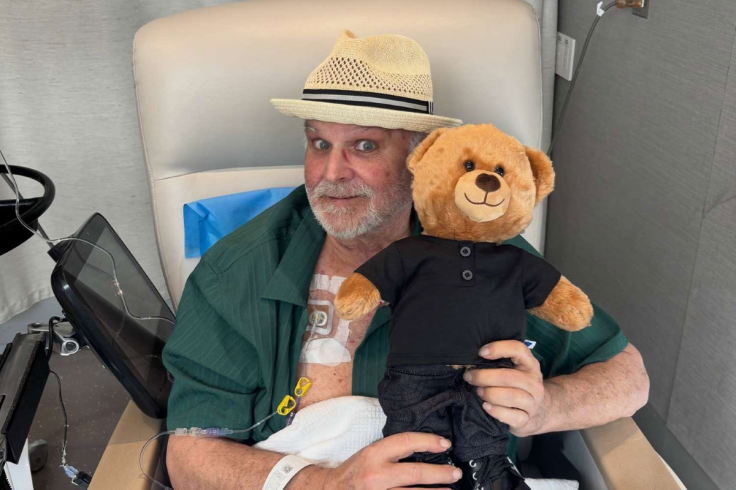
Comedian Ron Bennington is reflecting on the consequences of ignoring serious symptoms after revealing he has stage 4 colon cancer. The 67-year-old broadcaster endured intense pain and persistent vomiting before seeking medical attention, eventually discovering that his cancer was at an advanced stage.
Speaking to Today, Bennington recalled being so unwell that he could not keep food down. Despite the severity of his symptoms, he delayed visiting a doctor for about a month, hoping simple remedies would help him recover.
'I was as sick as I've ever been,' he said, describing the experience as involving 'a ridiculous amount of pain and vomiting'.
Bennington eventually visited a healthcare provider in March, who recommended a CT scan. When the results came back, he was instructed to go to the emergency room. He recalled being taken into surgery within approximately 30 minutes of arriving.
The following morning, doctors told him his cancer was not curable.
Colorectal cancer has touched my family in a very personal way. We lost my brother Lawrence to this disease, and his loss continues to fuel my commitment to raising awareness and supporting the fight against colorectal cancer.
— Craig Melvin (@craigmelvin) October 7, 2026
I had the chance to sit down with Ron Bennington… pic.twitter.com/QTTJFaAFkG
Ron Bennington Is Approaching His Diagnosis With Gratitude
Despite the devastating news, Bennington said his immediate response was gratitude for the life he had lived rather than fear about what lay ahead.
'My initial thing was gratitude for the life that I lived,' he explained. 'I just immediately thought, "What a wonderful life I've had."'
He is now receiving chemotherapy alongside a drug being administered through a clinical trial. Bennington expects to continue treatment for the rest of his life and hopes it will give him more time.
Rather than describing his experience as a battle he must win, he has focused on following medical advice, taking his medication and eating well.
'Now, I just try to take my medicine when they tell me to and eat right. That's it,' he said.
The comedian is also using humour to encourage conversations about health. From his hospital room, he hosts Portcast, a SiriusXM podcast featuring interviews with fellow comedians while he undergoes treatment.
Bennington said he had rarely sought medical care before his diagnosis and believes some men avoid doctors because they are afraid of appearing sick. He now wants people to understand that a serious diagnosis can affect entire families, not just the person receiving it.
Which Colon Cancer Symptoms Should People Watch For?
Bennington's experience highlights why persistent or severe symptoms should not be dismissed or managed indefinitely at home.
According to the UK's National Health Service (NHS), symptoms of bowel cancer can include changes in bowel habits, blood in the stool, abdominal pain, bloating, unexplained weight loss and persistent tiredness. These symptoms can have other causes, but medical assessment is important when they occur.
Colon cancer develops in the large bowel. Stage 4 means the cancer has spread to distant parts of the body, making it an advanced disease. Treatment depends on how far the cancer has spread and the individual's circumstances.
Screening can also help detect bowel cancer before symptoms develop. People should follow the screening recommendations where they live and seek medical advice if they notice concerning changes, even if they are younger than the usual screening age.
Bennington's diagnosis does not establish that his delay caused the cancer to reach stage 4. However, his account offers a clear reminder: severe, persistent or worsening symptoms deserve medical attention.