
Constance Zimmer Hid Her Breast Cancer Diagnosis While on 'Love Story' Press Tour
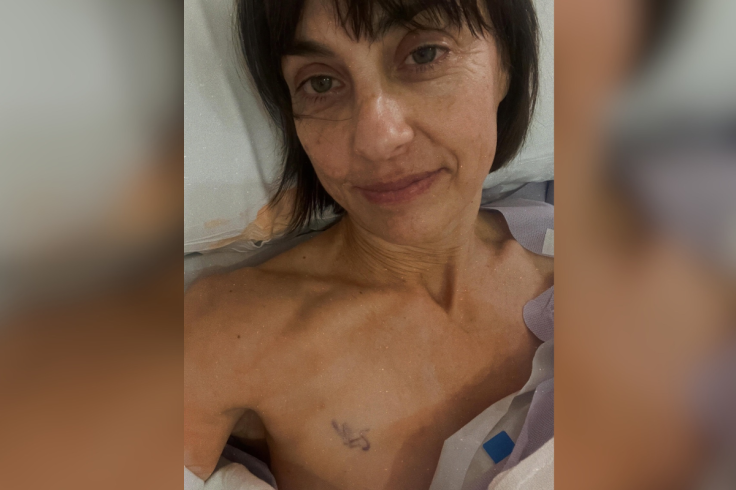
Constance Zimmer was in the middle of a very public career moment when she was privately dealing with a breast cancer diagnosis.
The 55-year-old Love Story actress revealed this week that she was diagnosed with ductal carcinoma in situ (DCIS), also known as Stage 0 breast cancer, in March. At the time, she was preparing for and appearing on a press tour for the Hulu series while keeping her diagnosis and treatment from the public.
'I never thought I'd be honouring it with my own story,' Zimmer wrote on Instagram, marking Breast Cancer Awareness Month. She recalled being told about her diagnosis over Zoom while away from home, describing the initial reaction as 'pure shock and fear'.
Zimmer said many doctors initially suggested a mastectomy as the quickest way to remove the mass. After consulting breast surgeon Dr Kristi Funk, she learned a lumpectomy could be an option.
Zimmer ultimately underwent three surgeries over three consecutive weeks to preserve her breast, followed by radiation therapy. She said she continued promoting Love Story and celebrated an Emmy nomination while going through treatment. She has since said she is cancer-free.
What Is DCIS?
DCIS occurs when abnormal cells are found in the lining of the breast milk ducts and have not spread beyond the ducts into surrounding breast tissue. It is considered non-invasive breast cancer, although some cases can develop into invasive disease if left untreated.
Because DCIS often causes no noticeable symptoms, it is frequently detected through breast screening rather than because someone feels unwell.
In fact, NHS data says around one in five new breast cancer diagnoses found through screening are DCIS. Treatment for DCIS commonly involves surgery, although some people may also receive radiotherapy or hormone therapy depending on their individual circumstances.
Why Can Breast Cancer Be Found Without Symptoms?
Zimmer's experience highlights why screening can identify breast abnormalities before they become noticeable.
Mammograms use X-rays to look for changes in breast tissue that may be too small to feel or see. According to the NHS, finding breast cancer earlier can make treatment more likely to succeed and may reduce the likelihood of needing a mastectomy.
However, screening does not mean people should ignore changes between appointments. A new lump or swelling, changes in breast size or shape, skin dimpling, nipple changes or unusual discharge should be assessed by a doctor. Such symptoms do not necessarily mean cancer, but they warrant medical attention.
Zimmer's Decision Highlights a Bigger Issue
Zimmer's experience also highlights an important reality of a cancer diagnosis: treatment is not always a one-size-fits-all decision.
Her doctors initially recommended a mastectomy, but after seeking another opinion, she ultimately found a surgeon willing to attempt breast-conserving surgery.
The appropriate treatment for DCIS can vary depending on factors such as the size and location of the abnormal cells, their characteristics, and the patient's overall circumstances. Surgery may also be followed by treatments such as radiotherapy or hormone therapy, depending on the individual case.
For Zimmer, the experience unfolded largely behind the scenes while audiences watched her promote a major television project. She continued with the Love Story press tour while undergoing treatment, keeping the diagnosis private until she felt ready to discuss it publicly.
Her decision to share her experience during Breast Cancer Awareness Month offers another reminder that breast cancer and its early forms do not always cause obvious symptoms. Screening can detect abnormalities before they become noticeable, potentially allowing treatment to begin at an earlier stage.