
Gut-Wrenching Farewell Between Sweethearts Came One Day After Proposal Amid Cancer Battle
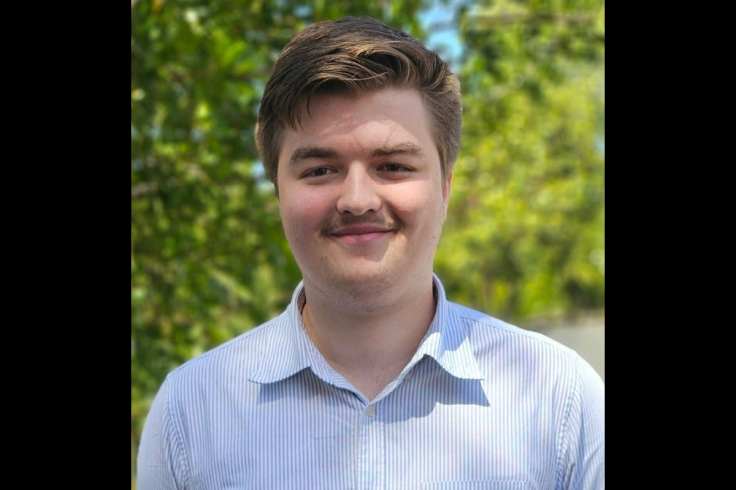
Thomas Buik, 24, died of an extremely rare soft tissue sarcoma just one day after asking his high school sweetheart, Lara Centofanti, to marry him. Reliant on oxygen, he proposed to her on 25 September with his mother's help.
His last words were 'I'm so sorry, Lara,' his mother, Kristen, said. He died at Laurel House, held tight by Lara, Rylie, Mark and Kristen, his family wrote on his tribute page.
Diagnosis and Terminal News
Buik noticed a lump on his collarbone in November 2024 and was diagnosed with the disease three months later. Doctors initially recommended three months of chemotherapy as an 'insurance policy', his mother said.
The cancer kept spreading to his lungs, bones, pancreas, spine and head. A PET scan later showed it was terminal, and Kristen said her son comforted her as she cried. 'It will be okay mum,' he told her. He 'really kept quite strong,' she said.
Proposal Made With Love
Kristen spoke the words aloud for her son: 'Will you wear this ring for eternity for me?' Centofanti, his partner of seven years, said yes. 'It's a true love story,' Kristen said.
The couple first met while working at McDonald's. 'I thought we would have a little bit more time to spend and celebrate as an engaged couple,' Centofanti, 23, said. She said he saw 'the good in everything and everyone.'
Rare Cancer in Soft Tissue
Soft tissue sarcoma is a group of cancers that develop in the body's soft tissues, including muscle, fat, nerves, blood vessels, tendons and connective tissues.
Dr Prashant Narhari, a visiting consultant orthopaedic oncologist, said sarcomas account for about 1% of all cancers. They arise from connective or supporting tissues, and their names generally reflect the type of tissue or cells from which they develop.
Dr Adam Levin, an orthopaedic oncologist at Johns Hopkins, said the World Health Organization recognises more than 50 subtypes, each with different characteristics and treatment considerations. Liposarcoma is one of the recognised soft tissue sarcoma subtypes, he said.
Warning Signs and Biopsy
Mayo Clinic advises having a lump checked by a doctor if it continues to grow, is larger than about 2 inches (5 centimetres) or feels deep beneath the skin. People should not wait for it to become painful, the clinic stresses.
Dr Narhari said the commonest presentation of a sarcoma is a painless swelling, which is often neglected early on. It can slowly increase in size and eventually start causing pain, he said.
He urged anyone with a growing tumour larger than 5 centimetres, even if painless, to see an orthopaedic oncology surgeon. Some patients have tumours removed only partially before seeing a specialist, he said, creating a difficult situation.
Dr Levin said doctors often suspect a soft tissue sarcoma from clinical and radiological examinations, but a biopsy is required. A pathologist studies a small piece of the tumour under a microscope to confirm the diagnosis and type.
Treatment and Recurrence Risk
Surgery is a mainstay of treatment for many soft tissue sarcomas, with radiation therapy and, in some cases, chemotherapy, targeted therapy or immunotherapy also used depending on the tumour's type and stage. Treatment is individualised, particularly when the cancer has spread.
Dr Narhari said the mainstay of treatment is wide resection, in which the tumour is removed along with a margin of surrounding tissue. Recurrence risk varies according to factors including tumour size, grade, location and whether the tumour can be completely removed. Radiotherapy may reduce the risk of local recurrence in appropriate cases.
A funeral service is set for Thursday 8 October. His family said they are 'endlessly proud of his courage, wisdom, and heart through it all.'