
Cancer Patient, 64, Says He Lost Medicaid for Not Working When He Struggled to Walk or Breathe
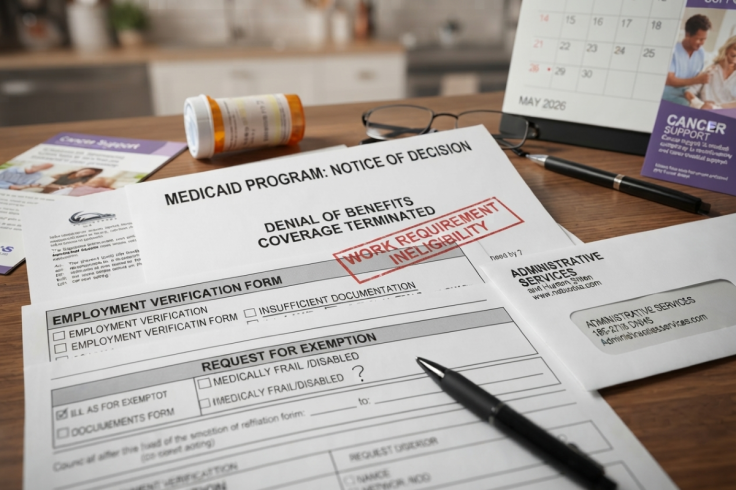
A 64-year-old Nebraska man undergoing treatment for kidney cancer says he lost his Medicaid coverage after being told he was not working, leaving him unable to attend a planned appointment with his cancer specialist.
Eli McCreary told Human Rights Watch, Oxfam America and Nebraska Appleseed that he was also dealing with multiple chronic health conditions and was unable to work because of his health.
'If I could work, I would work,' McCreary said. 'But I can't.... I can't walk around. I mean, I can't breathe. I can't walk very far.'
His experience comes as Nebraska becomes the first US state to enforce new Medicaid work requirements introduced under federal legislation. The changes are expected to affect millions of people across the country as other states prepare to implement similar rules.
How Did Medicaid Changes Affect His Cancer Care?
McCreary said the loss of coverage interrupted his medical care. He had been scheduled to see a cancer specialist, but the appointment was cancelled after his insurance coverage lapsed.
'I had to wait until I got insurance again to even come back out here,' he said. 'Everything was delayed.'
The account was included in a recent Human Rights Watch report examining Nebraska's rollout of the new requirements. The organisations interviewed a dozen Nebraskans with personal or professional experience of Medicaid, as well as a state Medicaid eligibility worker.
The worker described the implementation as rushed and confusing, citing poor training, inconsistent guidance and technical problems with eligibility systems.
What Are the New Medicaid Work Requirements?
Under the new rules, many adults enrolled through Medicaid expansion must demonstrate that they work, study, volunteer, or participate in another approved activity for at least 80 hours a month, unless they qualify for an exemption or hardship exception.
Nebraska began enforcing the requirements on 1 May, 2026, ahead of a nationwide deadline of 1 January, 2027.
People deemed medically frail can qualify for an exemption, but Human Rights Watch reported that having a diagnosis such as cancer does not automatically establish eligibility for that exemption under the federal rules. This can leave people with serious illnesses uncertain about whether they must satisfy the work requirements.
How Many People Could Lose Medicaid Coverage?
Early data suggest the new requirements are already resulting in coverage losses.
KFF analysis of Nebraska data found that 7% of Medicaid renewals subject to the work requirements between July and mid-August resulted in people losing coverage because they did not meet the requirements. Of the 533 people who lost coverage, 92% had not responded to requests to verify their eligibility.
Nebraska also reported that more than 1,000 people had lost or been denied Medicaid coverage under the new requirements between May and August, according to Human Rights Watch.
The potential impact extends beyond Nebraska. The Urban Institute estimates that between 3 million and 7 million people could lose Medicaid coverage by 2028 because of the new work requirements, while the Congressional Budget Office estimates they could increase the number of uninsured Americans by 4.8 million by 2034.
For people undergoing cancer treatment or managing other serious illnesses, interruptions in health coverage can create additional barriers to specialist appointments, tests, medications and ongoing care.
McCreary's experience highlights how administrative changes intended to determine Medicaid eligibility can have immediate consequences for patients whose ability to work is already limited by illness.