
HYROX Toronto Competitor Hospitalised After Suffering Heat Stroke and Hypothermia: 'Her Temperature Was 107°F'
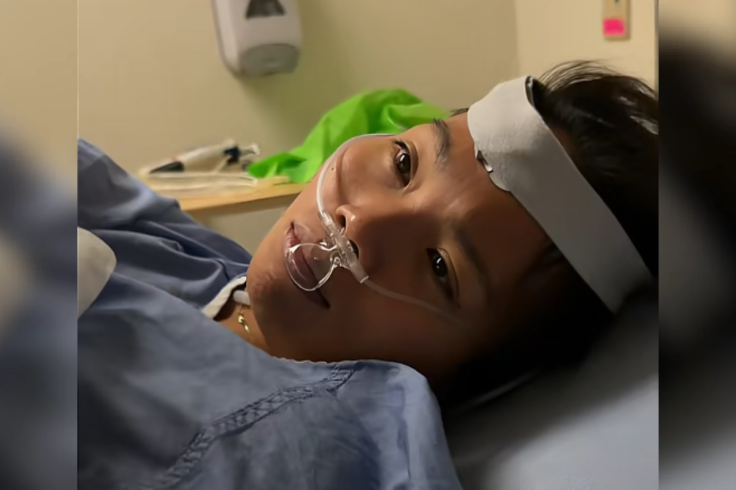
A HYROX competitor was rushed to hospital with severe heat stroke after struggling through several stages of the gruelling Toronto race before collapsing during the farmers carry. TikTok creator Tasha Lamarche documented the frightening ordeal involving her race partner, whose core body temperature reportedly reached 107°F (41.7°C).
Footage showed the woman, dressed in leggings and a long-sleeved top, visibly struggling during the burpee broad jumps but continuing with the race. At the rowing station, an official can be seen telling Tasha's partner not to lean against the machine. She pushed on, but by the farmers carry she could no longer continue and collapsed.
From Struggling Mid-Race to Two Ice Baths
Medics rushed to treat the competitor as the situation rapidly became a medical emergency. According to Lamarche's account, her partner was in and out of consciousness as medical staff discovered that her body temperature had climbed to a reported 107°F.
She was placed in two ice baths in an effort to rapidly lower her core temperature. Lamarche said the cooling was followed by another complication when her partner developed hypothermia. She was taken to hospital and is now stable and recovering.
HYROX combines eight 1-kilometre runs with eight functional workout stations, including SkiErg, sled pushes and pulls, burpee broad jumps, rowing, farmers carries, sandbag lunges and wall balls. Races are held indoors in large exhibition halls, with the same basic format used at events around the world. The Toronto event was expected to attract approximately 16,000 competitors.
@muatasha Toronto hyrox was not how I expected my gfs hyrox to go. So grateful and thankful my gf is ok now but watching her go through that was so traumatic. Thank you to everyone that helped try and flag the hyrox medics down after she lost consciousness and thank you to everyone that helped revive her 💙 #hyrox #hyroxworld #hyroxtoronto #hyroxathlete #hyroxdoubles
♬ PULL UP - Wels
How Can Exercise Push the Body to 107°F?
Exertional heat stroke occurs when intense physical activity generates heat faster than the body can release it, causing core temperature to rise dangerously. A body temperature of around 104°F (40°C) or higher can be a key sign of heat stroke, particularly when accompanied by neurological symptoms such as confusion, altered consciousness or seizures.
A reported temperature of 107°F is therefore extremely concerning, although the method used to measure the competitor's temperature has not been publicly detailed. During intense exercise, muscles produce substantial heat.
The body attempts to cool itself through sweating and increased blood flow to the skin, but these mechanisms can become overwhelmed. Rapid cooling is crucial when exertional heat stroke is suspected, which explains why cold-water immersion is commonly used in emergencies.
Did Clothing or Venue Conditions Play a Role?
Lamarche's videos also prompted questions about the conditions inside the venue.
Some viewers questioned whether the competition space was adequately air-conditioned, while others noticed the difference between the women's clothing. Lamarche competed in a black sports bra, while her partner wore leggings and a long-sleeved top.
There is no confirmation that either the venue conditions or the competitor's clothing caused her heat stroke. Clothing can, however, influence the body's ability to release heat by affecting airflow and sweat evaporation. Other factors, including temperature, humidity, hydration, exercise intensity and individual health, can also affect heat regulation.
The Warning Signs Athletes Should Never Push Through
Heat stroke can develop quickly. Symptoms can include confusion, altered mental status, slurred speech, loss of consciousness, seizures, very high body temperature, and hot skin.
Someone suspected of having heat stroke requires immediate medical attention and rapid cooling. For athletes, the incident highlights the danger of continuing through serious symptoms during intense competition. Lamarche's partner pushed through several stations as she struggled, before eventually collapsing.
She did, however, survive the medical emergency and is now stable and healing.