
Swimmer Archie Goodburn, 25, Fights Incurable Brain Cancer as His Plea Forces Government Action
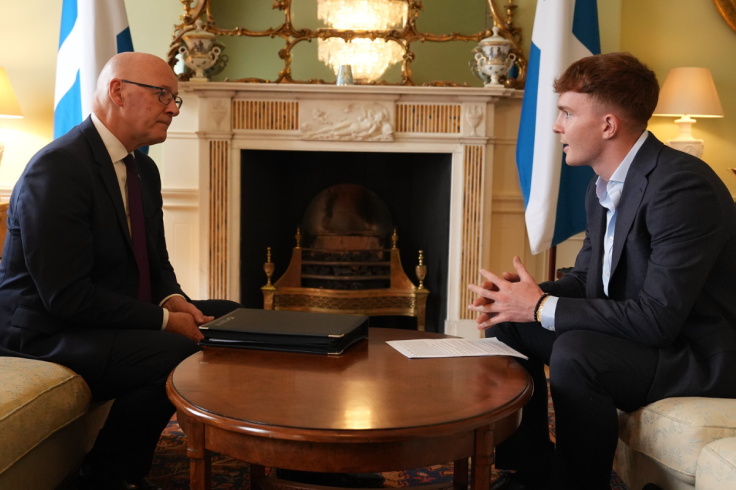
Scottish swimmer Archie Goodburn, 25, who is living with incurable brain tumours, has secured new government commitments to accelerate brain cancer research and improve access to potential treatments following a meeting with Prime Minister Andy Burnham and Health and Social Care Secretary Yvette Cooper at Downing Street on 14 October.
The measures include an expert review of progress in brain cancer research, a national action plan and the appointment of a dedicated national brain cancer clinical lead.
Burnham said: 'Archie is an inspiration to us all, and I am determined to deliver the change patients and their families deserve. He has spoken passionately about the need for change on brain cancer, and he's right: progress hasn't been good enough, here or anywhere else.'
What the Government Has Promised on Brain Cancer
The government has announced an immediate expert review led by Professor Anthony Chalmers, chair of the Brain Tumour Group within the UK Collaborative for Cancer Clinical Research. The review will report within three months, assessing progress since a 2018 government review and identifying barriers to improving outcomes for patients.
Its findings will inform a national action plan intended to help promising treatments move from research to clinical use more quickly. The Department of Health and Social Care will also appoint a national brain cancer clinical lead to coordinate the work.
In a further measure, Burnham has asked the Medicines and Healthcare products Regulatory Agency (MHRA) to complete its review of regulations governing medicines for rare conditions, known as orphan drugs, within two years rather than three.
The review is required under the Rare Cancers Act 2026. The government says accelerating the process could help patients access promising treatments sooner, although the announcement does not guarantee that particular medicines will become available.
Cooper said: 'We're acting to get more trials under way, new treatments to patients faster and make the UK a leader in tackling brain cancer.'
Archie Goodburn's Diagnosis and Call for Better Treatment Options
Goodburn, from Edinburgh, was diagnosed in 2024, aged 22, with three inoperable oligodendrogliomas, a type of brain tumour. He began experiencing symptoms during swimming training that were subsequently recognised as seizures. He has spoken publicly about his prognosis and the need for more treatment options for people with brain tumours.
Goodburn began taking the targeted drug vorasidenib in December 2025. In comments to Brain Tumour Research, he warned that patients in the UK could face limited alternatives if the treatment stopped working.
He has also highlighted clinical trials and potential treatments being investigated outside the UK, arguing that patients need better opportunities to access promising research. The availability and suitability of individual medicines depend on clinical evidence, regulatory approval and eligibility for specific trials.
On 4 August 2026, following his participation in the Commonwealth Games in Glasgow, Goodburn appealed directly to the Prime Minister on BBC Breakfast, urging the government to establish a national brain cancer lead and improve access to clinical trials.
The Brain Cancer Research Funding Gap
Brain tumour charities have also called for greater investment in research. An open letter organised by Brain Tumour Research cited the charity's analysis that brain tumours received just 1% of national cancer research funding between 2002 and 2021.
The charity has also reported that 74% of brain tumour research funding comes from charities, with the remaining 26% coming from government. These figures reflect the charity's analysis and should be understood in the context of its stated methodology and reporting period.
Brain Tumour Research says brain tumours remain the biggest cancer killer of children and adults under 40 in the UK. The Brain Tumour Charity has likewise highlighted the disproportionate impact of the disease on younger people and the need for improved treatment options.
Dan Knowles, chief executive of Brain Tumour Research, welcomed the government's announcement, saying it placed research at the heart of efforts to improve outcomes for patients.
The Brain Tumour Charity also described the commitments as a significant shift in how brain tumours are addressed in the UK.
Why Faster Research Matters for Brain Cancer Patients
The government's commitments aim to address delays between scientific discoveries and treatments reaching patients. However, an expert review and action plan are initial steps, not evidence that new treatments have already become available or that survival rates will immediately improve.
For patients with brain tumours, clinical trials can provide access to investigational treatments, although eligibility criteria, potential risks and uncertain benefits vary. Decisions about treatment should be made with specialist medical teams based on each patient's diagnosis and circumstances.