
Jalen Hurts' Blood Clots Reached Both Lungs: Doctor Explains the Life-Threatening Risk Facing Eagles QB
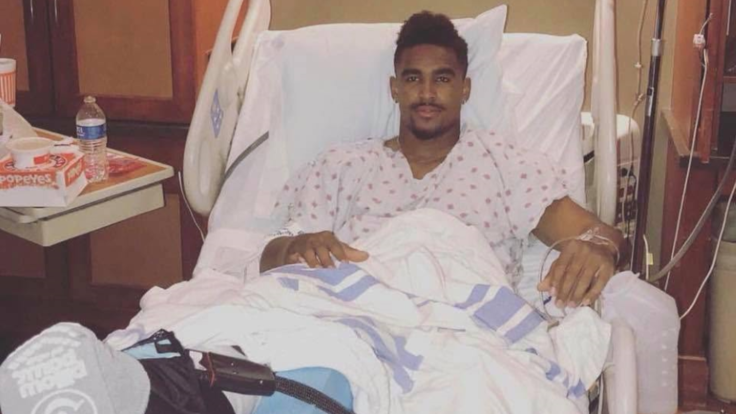
Philadelphia Eagles quarterback Jalen Hurts is expected to miss the remainder of the 2026 NFL season after doctors discovered blood clots in both his lungs, raising concerns about a condition that can become fatal when clots obstruct blood flow through the lungs and place severe strain on the heart.
The 28-year-old was initially diagnosed with a superficial blood clot in his left calf after being examined in London. Further testing later revealed deep vein thrombosis (DVT) and bilateral pulmonary emboli, meaning blood clots had travelled to both lungs.
Speaking to PEOPLE, Dr Jonathan Paul, director of the Pulmonary Embolism Response Team at UChicago Medicine, explained how a clot in the leg can develop into a potentially life-threatening emergency. Paul did not treat Hurts directly.
How a Blood Clot Can Become Life-Threatening
DVT occurs when a blood clot forms in a deep vein, most commonly in the leg. Although the condition can cause pain and swelling, the greater danger arises when part of the clot breaks away and travels through the bloodstream to the lungs.
This can cause a pulmonary embolism (PE), which blocks blood flow through one or more arteries in the lungs.
'The reason pulmonary embolism is so dangerous is that, if large enough, these blood clots can obstruct blood flow from the heart and essentially cause the heart to stop beating,' Paul told PEOPLE.
A severe pulmonary embolism can strain the heart, cause heart failure or trigger cardiac arrest. However, finding clots in both lungs does not automatically mean a patient is critically ill. The danger depends on factors including the size and location of the clots and their effects on the heart and circulation.
Hurts' representatives said in a statement on 19 October that he was clinically stable, had no significant functional limitations, and had a very good prognosis. They expected him to make a full recovery.
Why Hurts Cannot Return to Football Yet
Hurts' treatment is expected to involve anticoagulants, commonly known as blood thinners. These medicines help prevent existing clots from growing and new ones from forming while the body gradually breaks down the clots.
According to Paul, treatment for DVT and pulmonary embolism typically lasts at least three months before doctors reassess the patient. Some people require medication for longer, depending on their circumstances and risk of developing further clots.
For a professional American football player, however, the medication creates an additional challenge.
Blood thinners increase the risk of serious bleeding following an injury. A collision or blow to the head could cause dangerous internal bleeding, including bleeding in the brain.
'Whenever anybody's on a blood-thinning medication, even a minor injury can lead to significant bleeding complications,' Paul explained.
Hurts is therefore expected to avoid contact activities while receiving treatment. His representatives said he could resume contact football once he is no longer taking the medication.
Warning Signs People Should Not Ignore
The quarterback's diagnosis also highlights how blood clots can affect people beyond professional sport. According to the the US Centers for Disease Control and Prevention, up to 900,000 Americans experience venous thromboembolism, which includes DVT and pulmonary embolism, each year. An estimated 60,000 to 100,000 Americans die from these conditions annually.
DVT symptoms can include pain, swelling, tenderness, and redness in one leg. A pulmonary embolism may cause sudden difficulty breathing, chest pain that worsens with deep breaths, a rapid heartbeat, coughing up blood, dizziness, or fainting.