
NHS Mounjaro Rollout Branded 'Unambitious' as More Than a Million Pay Privately for Weight-Loss Jabs
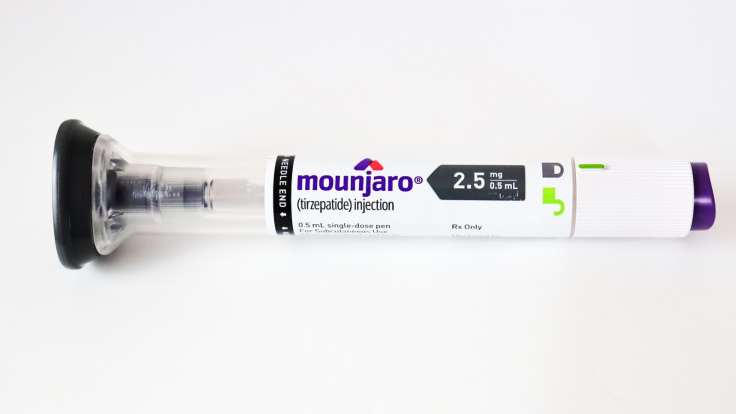
Hundreds of thousands more patients in England should be given NHS access to the weight-loss jab Mounjaro, MPs have said, warning that current plans will leave most eligible patients without NHS access while millions of people are buying weight-loss injections privately.
In a report published this week, the Commons Health and Social Care Committee said only about 220,000 people are due to receive the drug on the NHS over the first three years of the rollout. That is fewer than 7% of the estimated 3.4 million people who are eligible.
More than a million people are believed to be paying privately for weight-loss injections such as Mounjaro and Wegovy.
'Two-Tier System' Around GLP-1 Weight-Loss Drugs
The committee said a 'two-tier system' has emerged. Patients who can pay privately can obtain the drugs, while others who meet the clinical criteria remain on NHS waiting lists or are excluded.
'Access to GLP-1 medication appears increasingly to be determined by ability to pay rather than clinical need,' the report said. It warned that limited NHS access would 'entrench and widen' existing disparities, noting that obesity already follows 'stark lines of deprivation and inequality'.
MPs said about 2.37 million packs of GLP-1 drugs are prescribed in the UK every month, 'with the vast majority of these being accessed privately'. Private Mounjaro prescriptions were reported to cost between about £150 and £350 a month, depending on the dose.
Layla Moran, the Liberal Democrat MP who chairs the committee, said obesity was 'a chronic, relapsing condition' that should be managed like diabetes through a national care pathway. People seeking help, she said, 'are repeatedly failed'.
Mounjaro Rollout Plan Under Growing Pressure
The National Institute for Health and Care Excellence (NICE) recommended Mounjaro, also known as tirzepatide, for treating obesity in draft guidance in June 2024. Final guidance followed in December that year. At NHS England's request, access is being phased in over up to 12 years because of cost and capacity concerns. The rollout began in June 2025.
The committee called on the government to 'urgently reassess' the pace of the rollout and to convene a national summit with NHS leaders, independent providers and frontline clinicians. MPs also questioned whether the NHS model, which relies heavily on GP appointments, was unnecessarily resource-intensive.
They said the health service should learn from private providers, many of which use online assessments, remote prescribing and app-based follow-up.
An NHS England spokesperson said the service was 'testing new ways to accelerate access, including new routes for starting these medicines, to ensure millions more people can benefit'.
The spokesperson added that the NHS was 'rightly prioritising these treatments for those with the most severe and complex needs'. Officials also pointed to a 'wide range of other support', including lifestyle programmes and specialist clinics.
Henry Gregg, of the National Pharmacy Association, said the rollout had created a 'postcode lottery' that was fuelling a market for 'unlicensed or counterfeit' weight-loss products.
Wider Obesity Services Under Strain
The report described obesity services in England as 'fragmented, inconsistent and difficult to navigate', with no clear national pathway for GPs or patients. It said bariatric surgery was 'severely underutilised' compared with neighbouring countries.
The committee also highlighted long waits for children. It heard that waiting times for specialist clinics are around six months. In South Yorkshire, roughly 16,000 children might meet the referral criteria, but specialist services have capacity to support only about 100 families a year.
Jack Doughty of the Obesity Health Alliance said patients were being 'let down by a fragmented and overstretched treatment system', with access to support ranging from behavioural programmes to surgery 'patchy and unequal'.
MPs estimated that obesity costs the UK economy about £75 billion a year.